







From 2018 to 2024, Meyer served as the director of disaster preparedness for Kaiser Permanente Northern California and responded to many disasters, including wildfires, power outages, evacuations, poor air quality, highly infectious pathogens, and staffing shortages. Her global health deployments include Haiti, Venezuela, Sri Lanka, Ghana, Jamaica, and St. Lucia. In her MedPage Today column, u201cCalamities, Codes, and Crises,u201d Meyer explores the intersection of healthcare and disasters.
“,”affiliation”:””,”credential”:”MD, MPH”,”url_identifier”:”mm7401″,”avatar_url”:”https://assets.medpagetoday.net/media/images/author/Meyer_Headshot_313px.png”,”avatar_alt_text”:”Mary Meyer”,”twitter”:””,”byline”:”Contributing Writer, MedPage Today”,”full_name”:”Mary Meyer”,”title”:”Contributing Writer, MedPage Today, “,”url”:”https://www.medpagetoday.com/people/mm7401/mary-meyer”}]”>
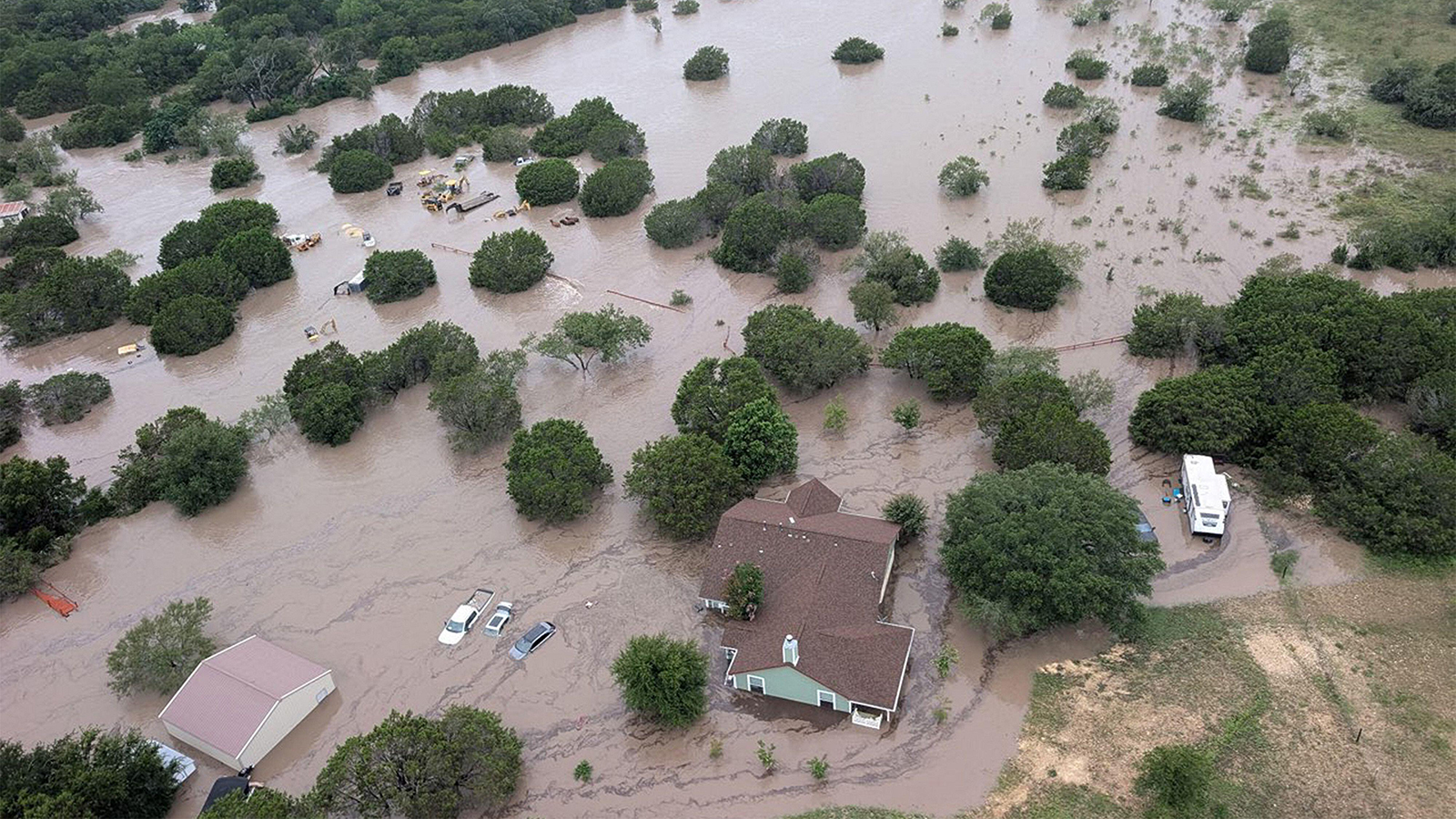
Like most of the nation, I watched the recent events unfolding in central Texas with horror. On July 4, torrential rains in Kerr County, Texas caused a massive water surge in the Guadalupe River, followed by widespread flash flooding. Survivors describe an apocalyptic scene — houses ripped apart, cars filled with people instantly washed away, furniture stuck in trees. As of this writing, 170 people remain unaccounted for, and the death toll hovers around 120, including dozens of children. As a parent who has sent my children to sleepaway camp more times than I can count, I cannot fathom the agony of the victims’ families.
While many details remain unclear, certain takeaways are already becoming apparent, even before the waters have completely receded. Since one of the most important principles of disaster preparedness is assimilating lessons learned, it’s worth examining what we know of this tragedy. Lessons learned today translate into future lives saved.
An Inconvenient Truth
Central Texas is no stranger to catastrophic floods — it sits in an area that has been nicknamed Flash Flood Alley. So, it’s tempting to chalk this disaster up to one more flood in a flood-prone area. But that would be false complacency. In fact, flooding is already the most common and most expensive natural disaster in the U.S., and it’s only becoming more common and more expensive. Changing precipitation patterns, coastal population growth, deforestation, and rising sea levels have all led to a jump in the incidence of flash, storm, and fluvial floods, both coastal and inland.
Flooding is now occurring in areas previously thought to be low risk. In 2023, Vermont experienced a “1-in-100 year” flood; in 2024, a single town in southern New Mexico experienced eight floods in 4 weeks along burn scars left by wildfires. Recent research estimates that 13% of the U.S. population and more than 14 million properties are at risk of floods.
One of the clearest takeaways from this disaster is that flood risk is increasing for all of us.
This Is Not a Drill: The Benefits and Pitfalls of Emergency Alerts
Poor communication is the Achilles’ heel of disaster response: infrastructure damage, network overload, and false rumors all contribute to deadly communication breakdowns. Warning systems have been a game changer in this respect. Emergency alerts have been used in tornadoes, hurricanes, tsunamis, earthquakes, and even amongst miners to urge evacuation before mine collapse.
For the most part, there’s good evidence that warning systems are effective. In 2013, an alert prompted a sports complex to evacuate moments before a tornado destroyed the dome; in another instance, an entire church congregation moved to safety from a tornado following text alerts. There have also been some high profile mistakes — remember when Hawaii falsely warned residents about an incoming ballistic missile?
In Kerr County, officials currently face scrutiny regarding their alert system. It appears that several flood warnings were issued by the National Weather Service and CodeRED (a voluntary emergency alert system), but it’s unclear whether these alerts reached people in a timely manner. Some people describe being alerted by neighbors pounding on the front door whereas others received no warning. It also appears Kerr County officials previously debated installing a flood warning siren system but decided against it due to prohibitive cost.
If there is a lesson here, it’s that alert systems can save lives — but they aren’t foolproof, especially in the middle of the night in rural areas with poor cellphone coverage. To save lives and reach the last mile, redundancy and equity in emergency communication channels are essential.
The Role of Health Facilities
One of the tragedies of Hurricane Katrina, the deadliest flood in U.S. history, has been described as a failure of imagination — emergency planners simply never imagined the city’s many levees might break. Healthcare leaders today should not repeat this mistake.
As flood risk increases across the nation, all health facilities should be prepared to manage the many potential sequelae of severe flooding. Communication channels and health information technology frequently malfunction. Staff may be unable or unwilling to report to work. Water supply disruptions can impede hand hygiene and instrument sterilization. Perhaps most alarmingly, power outages are common and back-up generators located on flooded lower floors may fail. The result is catastrophic power failure and a complete inability to run all electrical equipment (like ventilators), radiology and lab devices, and HVAC systems. For an agonizing example, consider reading Five Days At Memorial.
For all these reasons, it may make sense to proactively reduce hospital census or evacuate before flooding is imminent. As someone who has twice participated in a hospital evacuation, I can attest to how difficult and stressful it is. But it is made less so by a clear chain of command, appropriate equipment, and a system to track patients. As with any disaster response, good preparation and staff training are invaluable.
Swiftly Moving Water Is Deadly
Everyone should understand the hazards of swiftly moving floodwater. The National Weather Service motto is “Turn Around, Don’t Drown” for good reason. An adult can be swept over in 6 inches of fast-moving water, a car in 12 inches, and an SUV in just 2 feet. Half of all flood deaths occur when a vehicle is driven into floodwater (most of the remaining half occur when someone walks into it).
Floodwater is also chock full of hazardous objects — trees, furniture, glass, downed power lines, and even feral and biting animals. It frequently contains household, medical, and industrial chemicals, depending on what has flooded. And it can become contaminated with sewage: exposure to floodwater has been associated with gastroenteritis, wound infections, and leptospirosis.
The lesson here should be clear: do whatever you can to stay out of the water.
What Comes Next?
The Kerr County response has quickly become politicized, and there is already much finger-pointing. But this blame game misses the point. One of the fundamental principles of disaster preparedness is a thorough after-action assessment and an honest, comprehensive, unbiased after-action report.
This process can be as painful as it is revealing. The Texas flooding was devastating, and analyzing the response will be hard. Nonetheless, it’s crucial to identify strengths and opportunities for improvement: understanding what went well and what didn’t can lead to lives saved the next time. Because if there’s one thing that we’re learning, it’s that there will be a next time.
This perspective is the author’s alone and does not necessarily reflect that of any institutions or companies with which she is affiliated.


