





- As the global economy shifts toward greener, more sustainable models, the Congo Basin has a unique opportunity to position itself within this landscape by building a resilient bioeconomy that prioritizes local value creation while preserving critical ecosystems.
- Despite its rich natural endowments, this region often faces a paradox: while conservation protects, extraction exploits, and agreements frequently stall.
- “Promoting innovative approaches to biodiversity value creation directly supports efforts to enhance innovation and competitiveness, while emphasizing the need for durable, inclusive systems that capture long-term value for local communities,” a new analysis argues.
- This article is an analysis. The views expressed are those of the author, not necessarily of Mongabay.
The Congo Basin, often referred to as the “second lungs of Earth,” holds immense potential for leading Central Africa’s green transition. Home to the world’s second-largest tropical rainforest and second-largest reserve of drinkable water (holding 50% of all of Africa’s water resources), the region covers more than 3.7 million square kilometers (nearly 1.5 million square miles), absorbs more carbon dioxide than any other region in the world — with an annual net carbon dioxide absorption six times that of the Amazon Rainforest — and spans six countries (Cameroon, Central African Republic, Democratic Republic of Congo, Republic of Congo, Equatorial Guinea, and Gabon), storing around 30 billion metric tons of carbon. This critical ecological zone harbors immense biodiversity and natural resources, making it a strategic hub for the emerging global bioeconomy. However, learning from the Eastern African experience, realizing this potential requires a shift from extractive industries to sustainable, nature-based economies that prioritize long-term ecological health and local prosperity.
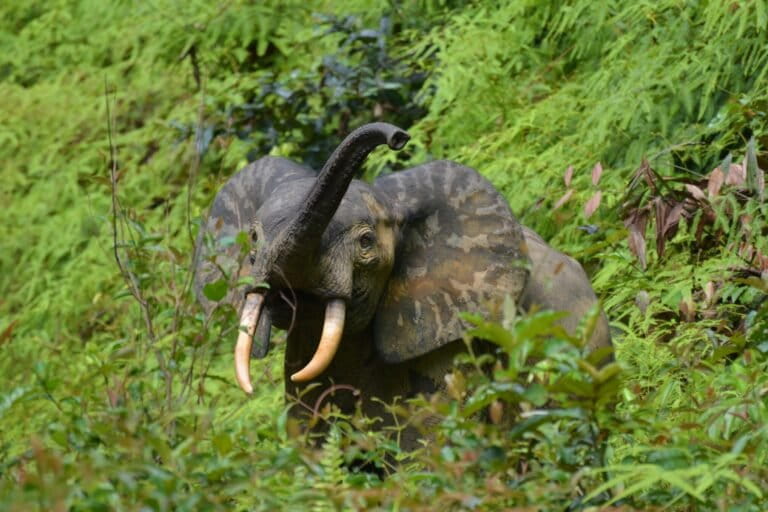
Beyond its ecological importance — containing more than 10,000 species of plants, 1,000 species of birds, and 400 species of mammals, including iconic ones like the forest elephant and the critically endangered western lowland gorilla — the region stands at a critical juncture in the global minerals race, holding a significant share of the world’s strategic assets like lithium, cobalt, gold, and rare earth elements — key components shaping global power and the future of the energy transition. Despite this wealth, the Congo Basin’s economic strategies have often relied on the “dig and ship” model, where raw materials are exported with limited local value capture, leaving long-term economic benefits unrealized.
As the global economy shifts toward greener, more sustainable models, the Congo Basin has a unique opportunity to position itself within this landscape by building a resilient bioeconomy that prioritizes local value creation while preserving critical ecosystems. This approach can address the disconnect between biodiversity (concentrated in the Global South) and value capture (controlled elsewhere), which has historically disadvantaged the region. Despite its rich natural endowments, this region often faces a paradox: while conservation protects, extraction exploits, and agreements frequently stall. Rarely do we see structures built to capture durable, long-term value from nature — or for it. Yet this is precisely what the region must aim for if its mineral wealth is to truly benefit its people and future generations.

As part of this shift, there’s been growing momentum around efforts to improve the governance and traceability of natural resources, particularly in the context of biodiversity and sustainable use. In Southern Africa, a positive change is underway, where countries have begun developing what has been coined as the “wildlife economy,” a model that seeks to balance conservation and sustainable resource use, creating value beyond mere extraction. The wildlife economy uses both traditional knowledge (plants, animals and lived experiences) and modern science as an economic asset to create value that aligns with conservation objectives and delivers sustainable growth and economic development.
At the same time, as U.S.-China trade tensions escalate and resource scarcity intensifies, countries across Africa (and elsewhere) where these minerals are found are now renegotiating their roles in an increasingly fragmented global economy. The rising demand for critical minerals has sparked growing interest in the governance and traceability of supply chains, with frameworks like the EU’s Critical Raw Materials Act and the Minerals Security Partnership emerging.
However, many of these initiatives are led by consumer countries, often sidelining the voices and interests of mineral-rich regions like Africa. Although Africa’s mineral wealth can truly benefit its people and future generations, the persistent disconnect between biodiversity and value capture has resulted in systems that fail to equitably distribute benefits, instead contributing to further environmental degradation and economic disparity. This is partly due to the implementation gap of green skills in formal and vocational education across the continent, imbalances in global raw materials markets, and limited collaboration between the planet’s major ecological basins, all of which undermine sustainability transitions.
While much attention is rightfully given to AI and digital skills, it is equally critical to invest in other emerging fields. For instance, bioeconomy technologies have practical applications in renewable energy and biorefineries, drawing on diverse disciplines like agriculture, microbiology, biochemistry, agriculture, biotechnology, bioresource management, energy, and ecology. Expertise in areas like ethnobotany, traditional knowledge systems, genomics, bioinformatics, digital sequence information (DSI), intellectual property (IP) law, access and benefit-sharing (ABS) policy, science diplomacy, natural product chemistry, plant-based bioactives, ecological restoration, biodiversity monitoring, venture science, sustainability strategy, and R&D design will be particularly in demand.
Yet, as the world redefines its priorities, the next wave of strategic assets may come from Africa’s forests, wetlands, and biodiversity, not just its mineral reserves. As nature becomes the new critical resource, the Congo Basin has a unique opportunity to lead innovation and market creation in this space, transforming sustainability into a source of competitive advantage. This shift demands moving beyond extraction to building durable, inclusive systems that capture long-term value for local communities, as increasingly exemplified in the Amazon Basin.


Challenges and opportunities
- Adding bio-value domestically: The Congo Basin faces significant challenges in capturing value from its vast natural wealth. Overreliance on raw material exports, lack of IP-based and ABS-compliant infrastructure, and weak governance structures have limited local value creation. For example, the DRC, which holds more than 60% of the world’s cobalt reserves, captures less than 5% of the global cobalt value chain, while more than 80% of the value is captured in consumer countries. As sustainability intensifies, along with its increasingly dominant positioning as a guiding principle, and its conceivable use as a rural policy instrument, the bioeconomy is emerging as an important concept in rural policy discourse. This shift presents a growing opportunity to push for more equitable, sustainable governance of these resources, especially as global markets increasingly prioritize transparency and traceability in supply chains.
- Balancing growth and conservation: Like other mineral-rich regions, the Congo Basin must navigate the complex relationship between economic growth and environmental sustainability. For instance, forest cover in the region has decreased by 5% over the past two decades, largely due to logging, mining, and agricultural expansion. As global demand for critical minerals intensifies, the region faces the challenge of balancing short-term economic gains with long-term ecological health. This calls for innovative approaches that integrate conservation with economic development, ensuring that local communities benefit directly from the sustainable use of their natural resources. Examples like the forests-based legal rights model in Gabon or the wildlife economy model in Southern Africa demonstrate that economic growth and conservation can coexist if local communities directly benefit from sustainable resource use.
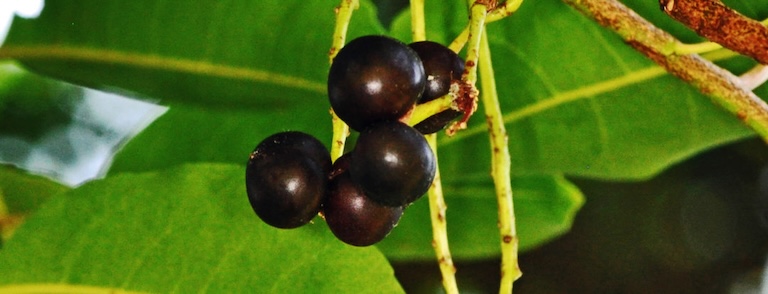
- Building a resilient bioeconomy: The Congo Basin’s biodiversity offers immense potential for bio-based industries, from biopharma to cosmetics and gastronomy. Millions of U.S. dollars of plant material are being exported annually from developing countries to developed countries. For example, the sustainable harvesting of medicinal plants like African cherry (Prunus africana), used globally for prostate treatment, generates significant revenue but remains largely unregulated, risking loss of both biodiversity and economic potential.
However, building a resilient bioeconomy requires significant investment in research, infrastructure, and local capacity building to ensure that the benefits of these industries are captured locally, rather than exported along with the raw materials. This can be done by supporting venture platforms building science-backed, commercially viable businesses from Africa’s biodiversity and natural systems, addressing the continent’s growing bioeconomy needs by operating at the intersection of biotechnology, intellectual property licensing, and nature-based product innovation.
Amid these challenges, several critical questions emerge that each country in the Congo Basin might consider to guide strategic discussions:


Bioeconomy products in Southern Africa: Markets, governance, and the persistence of extractive conservation:
| Product | Source (who & where) | Current market/use | Governance issue | CITES/Extractive conservation critique |
| Medicinal plant extracts (e.g. iboga, sausage tree, bitterbean, alligator pepper, mulondo, devil’s claw, Prunus africana, Hoodia) | Wild-harvested or semicultivated by Indigenous and rural communities across Southern African, West Africa, and the Congo Basin | Exported to pharmaceutical, nutraceutical, and cosmetic industries in EU, North America, and Asia | Weak benefit-sharing; community labor undervalued; harvesting permits often controlled by state or private actors | Regulation often shifts control away from customary users to external authorities; CITES listings and phytosanitary regimes restrict trade without addressing colonial land dispossession and customary tenure, recentralizing authority over Indigenous resources |
| Wild food products (baobab powder, katemfe plant, marula oil, mongongo nuts) | Seasonally harvested by women’s cooperatives on communal lands | Global “superfood” and clean beauty markets; fair-trade and organic niches | Value addition captured by exporters; Communities locked into low-value supply roles; branding controlled externally | Conservation narratives valorize Indigenous foods while integrating them into extractive global commodity chains and treating landscapes as extractive supply zones rather than lived socioecological systems |
| Natural oils & cosmetic ingredients (moabi and shea-like oils, Allanblackia analogs) | Community-managed forests and agroforestry systems | Ethical cosmetics and personal care industries | Certification costs marginalize or exclude smaller producers; opaque contracts | Extractive conservation frames communities as biodiversity stewards but not co-owners of global value chains. Market-based conservation reframes biodiversity as input capital while excluding Indigenous ownership of value chains |
| Ecotourism & cultural tourism | Community conservancies on Indigenous and communal lands | International tourism markets; safari and cultural heritage circuits | Revenue volatility; elite capture; dependence on foreign operators | Fortress conservation logics persist through tourism zoning, limiting Indigenous autonomy despite participatory rhetoric. Access is mediated by conservation authorities rather than Indigenous governance |
| Sustainable wildlife products (game meat, trophy hunting revenues) | Regulated harvesting in community conservancies | Domestic meat markets; international hunting clients | Moralized conservation debates override local livelihood needs; revenue often centralized | CITES reinforces wildlife exceptionalism, prioritizing animal mobility over human territorial rights and privileging charismatic megafauna over human livelihoods, reinforcing colonial hierarchies of value |
| Carbon & biodiversity credits | Community forests, rangelands, and wetlands | Voluntary carbon and biodiversity offset markets | External control (by foreign experts) over measurement and verification; unequal revenue flows | Extractive conservation is rebranded as climate action, with communities reduced to ecosystem service providers, rather than rights holders |
| Natural fibers, dyes, and crafts | Indigenous ecological knowledge systems; locally harvested plant materials | Fair-trade, museum, design, and online markets | Cultural appropriation; weak IP protection | Conservation celebrates “tradition” while depoliticizing ongoing struggles over land and access, and material extraction |
| Digital ecological knowledge & cultural data (stories, maps, ecological knowledge) | Community-generated content via social media and digital platforms | Used by NGOs, researchers, donors, and advocacy networks | Knowledge extraction without consent or compensation | Digital conservation reproduces extractive logics by rendering Indigenous presence visible but governance absent. Authority and ownership remain external |
Table 1: Many bioeconomy products promoted as alternatives to extractive conservation in southern Africa — ranging from medicinal plants and wild foods to carbon credits and digital ecological knowledge — are already embedded in global markets structured by unequal governance arrangements. While these products are sourced through Indigenous land-use systems and community labor, regulatory frameworks such as CITES, certification regimes, and market-based conservation instruments frequently recentralize authority in state agencies, conservation NGOs, and private intermediaries. Rather than dismantling extractive conservation, these bioeconomy pathways often reconfigure it, shifting extraction from wildlife bodies and landscapes to Indigenous labor, knowledge, and data. As the table demonstrates, without reforms that foreground Indigenous territorial rights, decision-making authority, and control over value chains, the bioeconomy risks reproducing the same colonial conservation logics it claims to transcend.


Path forward
Having identified these critical questions, the next step is to outline a path forward that moves beyond diagnosis and toward action. This requires institutional innovation, steering away from rigid and extractive systems to inclusive, authentic models that integrate Indigenous traditional knowledge, cutting-edge science, and local capacity building, co-create with communities, foster regional collaboration, and build strategic alliances that can unlock the full potential of the Congo Basin’s natural wealth while ensuring long-term sustainability and equitable benefit sharing.
Beyond advocacy, there is a pressing need for concrete action and income-generating ventures to ensure self-sufficiency, especially as traditional funding sources like USAID evolve and the global aid landscape undergoes significant redefinition. To achieve this, coordinated efforts across the region will be essential for unlocking the full potential of the Congo Basin’s bioeconomy, like:
- Cross-regional collaboration: Establishing partnerships with regional institutions both in academia, industry and public spaces can strengthen the Congo Basin’s position in the global bioeconomy. For instance, collaborations between the Amazon and Congo basins’ focused biodiversity ventures can foster cross-regional dialogues and knowledge sharing, supporting a unified, basin-centric bioeconomy and policy agenda.
- Cross-regional talk: A high-profile event bringing together policymakers, academics, and business leaders to discuss African-led bioeconomy strategies across both these regions, proposing actions —regional and national, mainly — to ensure that mineral wealth supports sustainable and inclusive development.
- Policy advocacy: Developing strategic policy briefs targeting Central African governments, investors, and international organizations on the benefits of African-led biodiversity ventures can help align regional strategies with regional goals, such as the African Union’s Green Recovery Action Plan, which offers a framework for promoting green growth and climate resilience in the region.
- Innovation and value creation: Encouraging innovation in biodiversity value creation, including ecotourism, sustainable forestry, and nontimber forest products, can transform the Congo Basin into a leader in green, inclusive economic growth. For instance, community-based forestry projects in Cameroon have shown that local ownership can significantly increase economic returns while reducing deforestation.


Thought leadership for a unified Congo Basin bioeconomy
Think tanks like the Nkafu Policy Institute are uniquely positioned to develop strategic insights on how the Congo Basin can become a leader in Central Africa’s emerging bioeconomy. These institutions can play a critical role in shaping the basin’s expansion into sustainable bioresource industries, promoting evidence-based approaches to biodiversity value creation, and establishing strategic links with partners to foster a unified, Congo Basin-centric bioeconomy agenda.
Facilitating such cross-regional institutional collaboration would position these think tanks as thought leaders in the green transition within their respective geographies. This can be achieved through a range of initiatives, including virtual and in-person dialogues to connect West and Central African thinkers, joint webinars on inclusive bioeconomy development, and media and public engagement strategies such as social media campaigns, cross-regional podcasts, and public talks to expand reach and influence. Effective thought dissemination should also include a diverse mix of public commentary, op-eds, policy briefs, and strategic partnerships, positioning the Congo Basin as a model for regional bioeconomic growth, while fostering high-level reflections on grounded development, with a focus on critical minerals, ecosystem preservation, value creation, and shared prosperity.
Promoting innovative approaches to biodiversity value creation directly supports efforts to enhance innovation and competitiveness, while emphasizing the need for durable, inclusive systems that capture long-term value for local communities.
By aiming to transform sustainability into a competitive advantage, this approach aligns with broader global and regional goals of achieving the SDGs, and meeting the requirements of international frameworks like the Nagoya Protocol on Access and Benefit-Sharing, and supporting global conservation targets such as the 30 by 30 initiative, which aims to protect 30% of the world’s land and oceans by 2030. Moreover, it addresses critical governance challenges in the resource extraction sector, including traceability and equitable value capture, which are essential for improving performance and accountability in the energy and climate sectors.
This includes establishing long-term partnerships for ongoing collaboration, creating transparency mechanisms, and developing accountability frameworks that align with global sustainability targets. Finally, this strategy would also seek to challenge the prevailing donor-centric narratives surrounding the region’s bio-development potential, instead building a foundation for empowering governments and Indigenous peoples and local communities (IPLCs) to define their own futures through innovative, nature-based, and culturally grounded ventures, positioning the basin as a global leader in the emerging bioeconomy.
In conclusion, the Congo Basin stands at a critical crossroads in the global bioeconomy. With the right investments in innovation, governance, and community-based resource management, it can emerge as a global leader in the green transition, transforming its natural wealth into a sustainable foundation for long-term prosperity. This approach not only benefits the region’s economy but also contributes to global climate goals, reinforcing the Congo Basin’s role as a vital ecological and economic asset for the world.
Metolo Foyet received her Ph.D. in geography (tropical conservation and development) from the University of Florida in the U.S., and is a consultant for The Nature Conservancy, leading human rights due diligence for the organization’s global operations.
See related coverage:
What does bioeconomy truly mean? Indigenous groups seek answer to dodge capitalist traps
New financial tools boost traditional bioeconomy projects in the Amazon
Citations:
Tongele, T. N. (2021). Human ways of life and environmental sustainability: Congo Basin case study. Journal of Civil Engineering and Architecture, 15(11), 547-559. doi:10.17265/1934-7359/2021.11.001
Feyder, N. (2011). The price of peace for the second lung of the planet. Regions and Cohesion, 1(3), 165-186. doi:10.3167/reco.2011.010308
Fuchs, M. (2024). Green skills for sustainability transitions. Geography Compass, 18(10). doi:10.1111/gec3.70003
Alemagi, D., Peter, M., Nukpezah, D., Duguma, L., & Foundjem-Tita, D. (2022). Community forestry in Cameroon: Insights on state institutional deficits. Trees, Forests and People, 7, 100173. doi:10.1016/j.tfp.2021.100173
McDonagh, J. (2014). Rural geography III: Do we really have a choice? The bioeconomy and future rural pathways. Progress in Human Geography, 39(5), 658-665. doi:10.1177/0309132514563449
Van Wyk, A. S., & Prinsloo, G. (2018). Medicinal plant harvesting, sustainability and cultivation in South Africa. Biological Conservation, 227, 335-342. doi:10.1016/j.biocon.2018.09.018
Ndung’u, J. K., Nguta, J. M., Mapenay, I. M., & Moriasi, G. A. (2024). A comprehensive review of ethnomedicinal uses, phytochemistry, pharmacology, and toxicity of Prunus africana (Hook. F.) Kalkman from Africa. Scientifica, 2024, 1-17. doi:10.1155/2024/8862996
Wynberg, R., & Laird, S. A. (2018). Fast science and sluggish policy: The herculean task of regulating biodiscovery. Trends in Biotechnology, 36(1), 1-3. doi:10.1016/j.tibtech.2017.09.002
Wynberg, R. (2002). A decade of biodiversity conservation and use in South Africa: tracking progress from the Rio Earth Summit to the Johannesburg World Summit on Sustainable Development. South African Journal of Science, 98(5), 233-243. Retrieved from https://hdl.handle.net/10520/EJC97486
Hulme, M. (2011). Meet the humanities. Nature Climate Change, 1(4), 177-179. doi:10.1038/nclimate1150
Shackleton, C. M., Shackleton, S. E., Buiten, E., & Bird, N. (2007). The importance of dry woodlands and forests in rural livelihoods and poverty alleviation in South Africa. Forest Policy and Economics, 9(5), 558-577. doi:10.1016/j.forpol.2006.03.004
Corson, C., MacDonald, K. I., & Neimark, B. (2013). Grabbing “Green”: Markets, environmental governance and the materialization of natural capital. Human Geography, 6(1), 1-15. doi:10.1177/194277861300600101
Fairhead, J., Leach, M., & Scoones, I. (2012). Green grabbing: A new appropriation of nature?. Journal of Peasant Studies, 39(2), 237-261. doi:10.1080/03066150.2012.671770
Lapeyre, R. (2010). Community-based tourism as a sustainable solution to maximise impacts locally? The Tsiseb Conservancy case, Namibia. Development Southern Africa, 27(5), 757-772. doi:10.1080/0376835x.2010.522837
Büscher, B., & Ramutsindela, M. (2016). Green violence: Rhino poaching and the war to save Southern Africa’s peace parks. African Affairs, 115(458), 1-22. doi:10.1093/afraf/adv058
Sullivan, S. (2012). Banking nature? The spectacular financialisation of environmental conservation. Antipode, 45(1), 198-217. doi:10.1111/j.1467-8330.2012.00989.x
Börner, J., Baylis, K., Corbera, E., Ezzine-de-Blas, D., Honey-Rosés, J., Persson, U. M., & Wunder, S. (2017). The effectiveness of payments for environmental services. World Development, 96, 359-374. doi:10.1016/j.worlddev.2017.03.020
Escobar, A. (1998). Whose knowledge, whose nature? Biodiversity, conservation, and the political ecology of social movements. Journal of political ecology, 5(1), 53-82. doi:10.2458/v5i1.21397


