



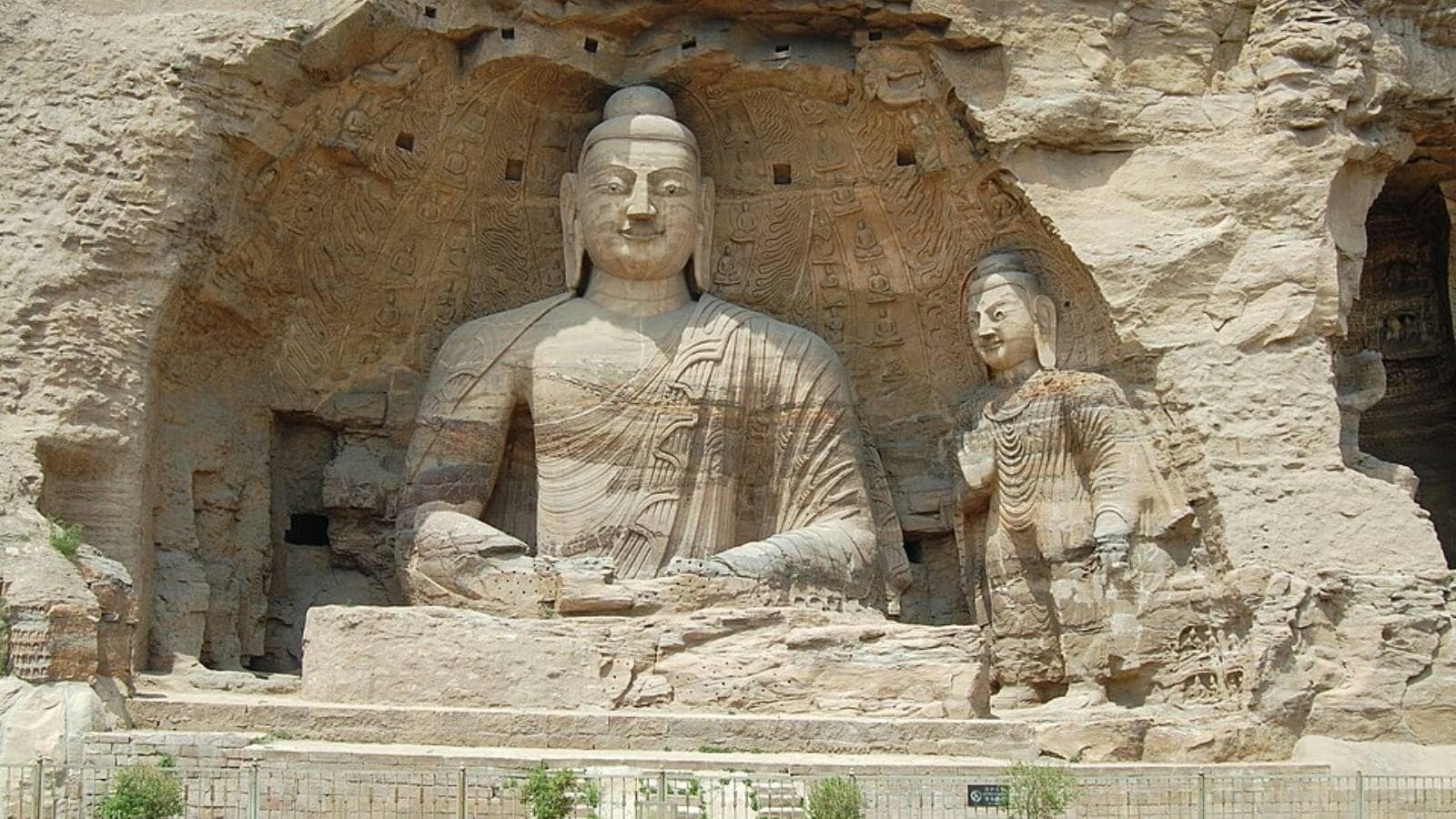
8 UNESCO-listed rock-cut religious sites you should visit at least once
For centuries, communities have carved places of worship, monasteries, shrines and monumental sculptures into cliffs and hillsides. Today, these rock-…


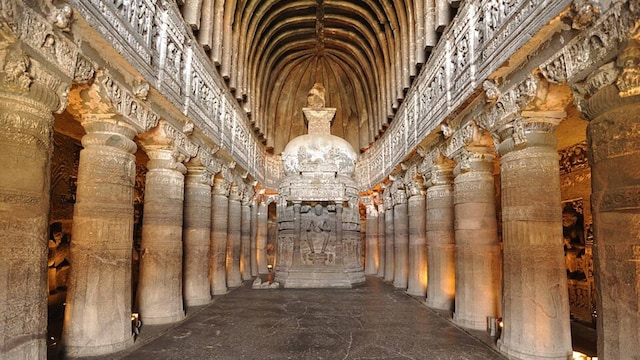


Ajanta Caves, Maharashtra, India | A UNESCO World Heritage Site since 1983, the Ajanta Caves comprise 30 rock-cut Buddhist monuments dating from the 2nd century BCE to around the 6th century CE. The complex includes monasteries (viharas) and prayer halls (chaityas) carved into a horseshoe-shaped rock gorge. It is renowned for its Buddhist murals, sculptures and architecture. (Image source: Wikimedia Commons)
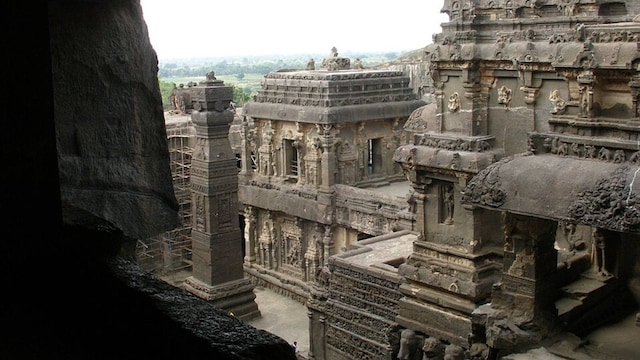
Ellora Caves, Maharashtra, India | Inscribed on the UNESCO World Heritage List in 1983, the Ellora Caves comprise 34 rock-cut monasteries and temples built between the 6th and 10th centuries CE. The site brings together Buddhist, Hindu and Jain monuments. Its best-known attraction is the Kailasa Temple, a monumental Hindu temple carved from a single rock. (Image source: Wikimedia Commons)
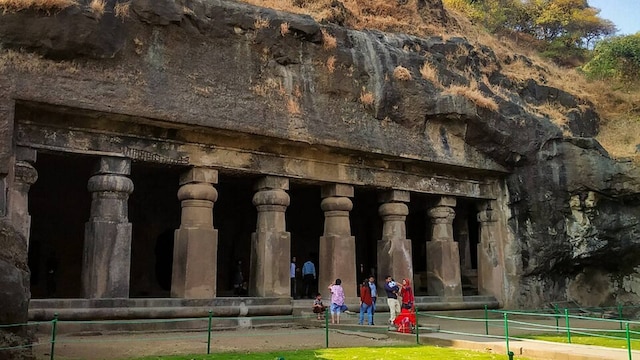
Elephanta Caves, Maharashtra, India | A UNESCO World Heritage Site since 1987, the Elephanta Caves are a group of rock-cut caves on Elephanta Island in Mumbai Harbour. Dedicated primarily to Lord Shiva, the site is best known for the iconic Maheshmurti, a massive three-headed sculpture depicting Shiva. (Image source: Wikimedia Commons)
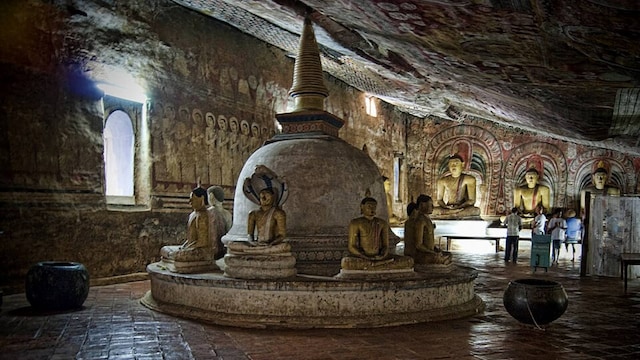
Golden Temple of Dambulla, Sri Lanka | Inscribed as a UNESCO World Heritage Site in 1991, the Golden Temple of Dambulla comprises five cave sanctuaries filled with Buddhist murals and statues. A sacred pilgrimage site for more than 2,000 years, it houses one of the finest collections of Buddhist art in South Asia. (Image source: Wikimedia Commons)
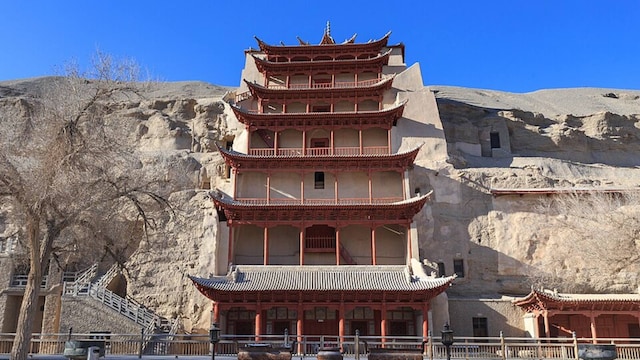
Mogao Caves, Dunhuang, China | A UNESCO World Heritage Site since 1987, the Mogao Caves are a vast complex of Buddhist cave temples near Dunhuang. The caves contain extensive murals, sculptures and ancient manuscripts, reflecting centuries of cultural exchange along the historic Silk Roads. (Image source: Wikimedia Commons)
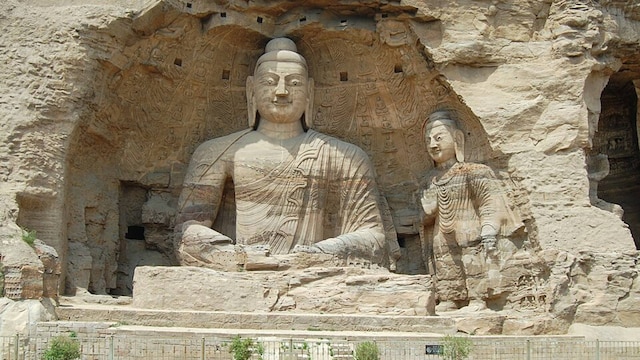
Yungang Grottoes, Datong, China | Inscribed on the UNESCO World Heritage List in 2001, the Yungang Grottoes contain 252 caves and niches housing more than 51,000 Buddhist statues. Created mainly during the 5th and 6th centuries, they are regarded as one of China’s greatest achievements in Buddhist cave art. (Image source: Wikimedia Commons)
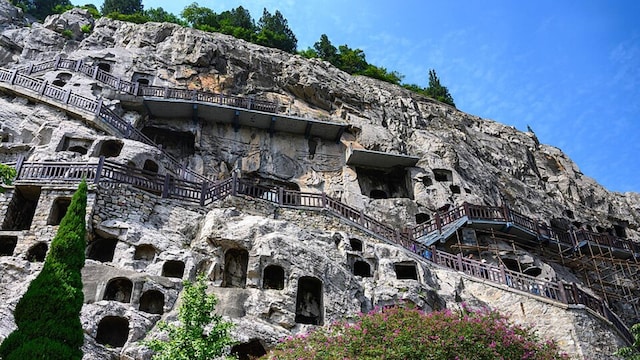
Longmen Grottoes, Luoyang, China | A UNESCO World Heritage Site since 2000, the Longmen Grottoes contain thousands of Buddhist statues, inscriptions and cave temples carved into limestone cliffs along the Yi River. The site includes more than 2,300 caves and niches, most of which were created between the late 5th and 10th centuries. (Image source: Wikimedia Commons)
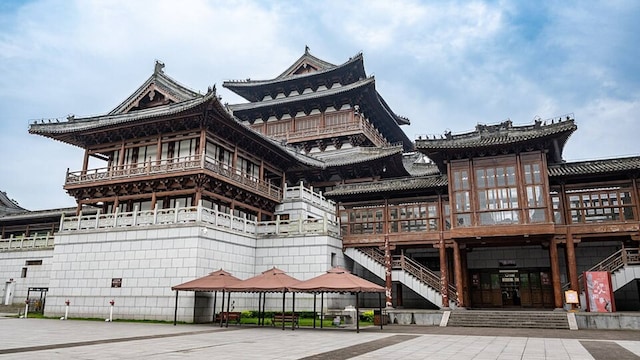
Dazu Rock Carvings, Chongqing, China | Inscribed as a UNESCO World Heritage Site in 1999, the Dazu Rock Carvings comprise an extensive collection of sculptures created between the 9th and 13th centuries. The carvings depict Buddhist, Taoist and Confucian beliefs and are celebrated for their artistic excellence and historical significance. (Image source: Wikimedia Commons)


