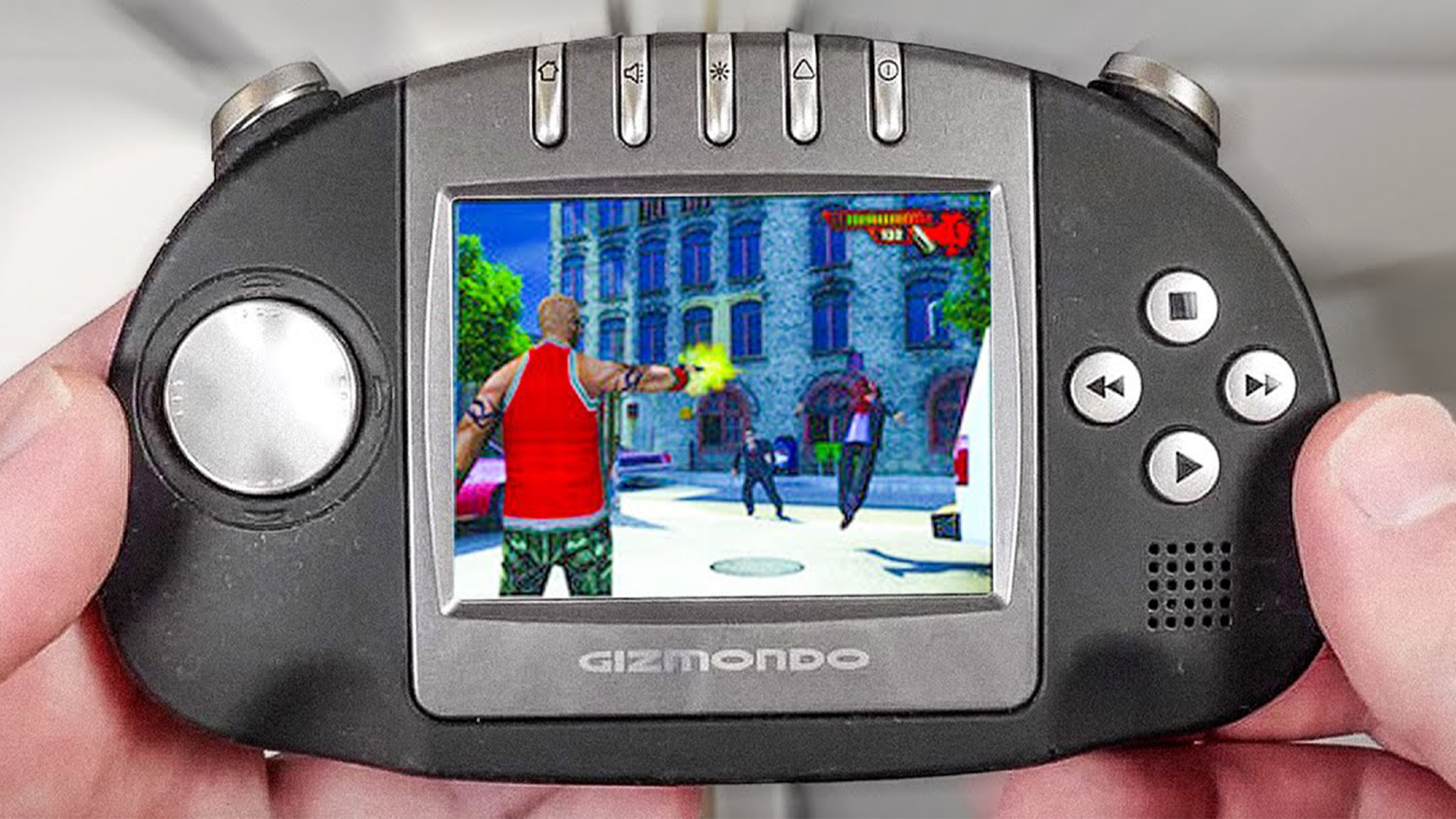
It takes a lot of time and money to engineer a new video game console, so when they fail, they can be costly to any company. After the successive failures of the Sega Saturn and Sega Dreamcast, the company didn’t go under but instead focused on software, abandoning its hardware ambitions. Most companies don’t have that luxury, and when they put everything they have into a new console that fails, bankruptcy proceedings often follow. All five of these consoles bankrupted or forced the sale of their respective companies, and they’re presented in no particular order.
Videos by ComicBook.com
1) Tapwave Zodiac

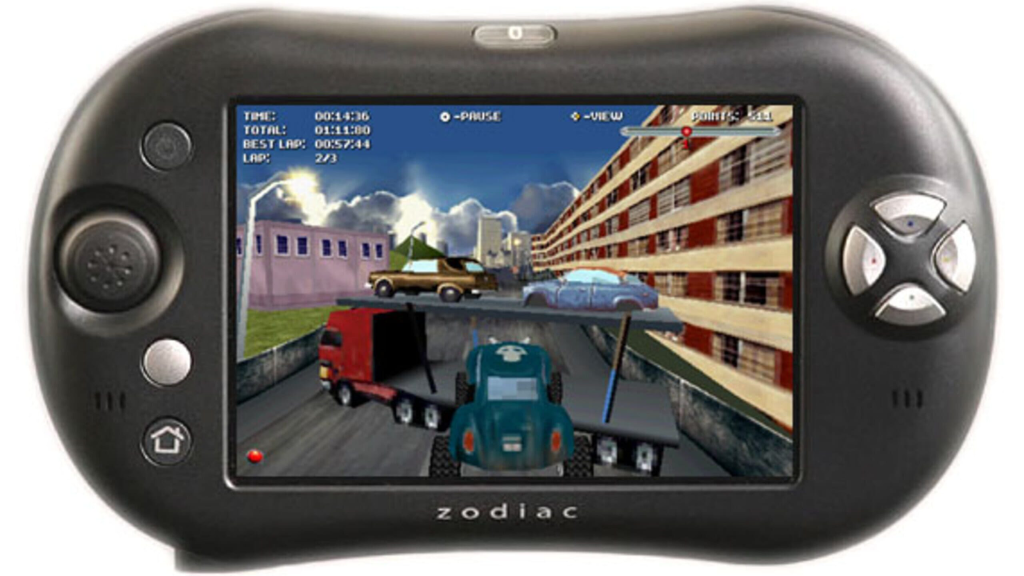
If you’ve never heard of the Tapwave Zodiac, there’s a good reason for it. The system was released in November 2003 and removed from the market in July 2005. It was touted as a high-performance mobile entertainment system capable of playing games, music, and video via the Palm Operating System. It wasn’t cheap, costing between $299 and $399 ($530 and $710 in 2026), though it featured some decent games, including Tony Hawk’s Pro Skater 3, Doom II, and some others. The reason you never heard of the Tapwave Zodiac was its competition: the PlayStation Portable and the Nintendo DS. Tapwave went out of business and sold its assets to an Asian company.
2) Ouya
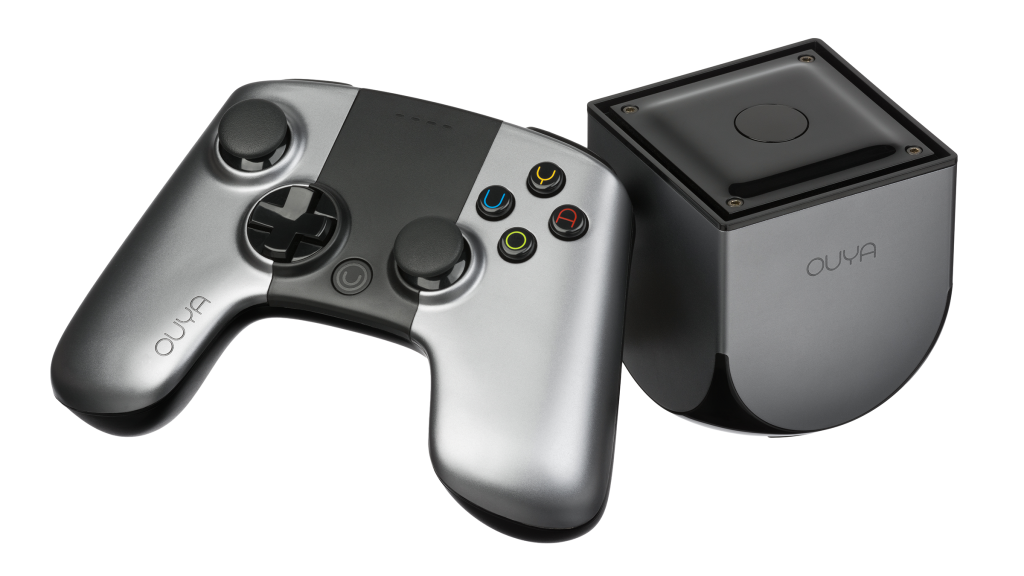
The Ouya was an Android-based microconsole that was funded via a Kickstarter campaign that raised over $8.5 million. Full disclosure: I supported it and have my Ouya gathering dust somewhere. The system was meant to stream all manner of games, with modding being a primary focus, but it was a commercial failure. Game developers didn’t want to work on the system, so it didn’t have anything worth playing that you couldn’t already play on a system you owned, and the controller was poorly designed. The console remained on the market for two years before being discontinued, and then Ouya, Inc. quietly disappeared.
3) Coleco Adam
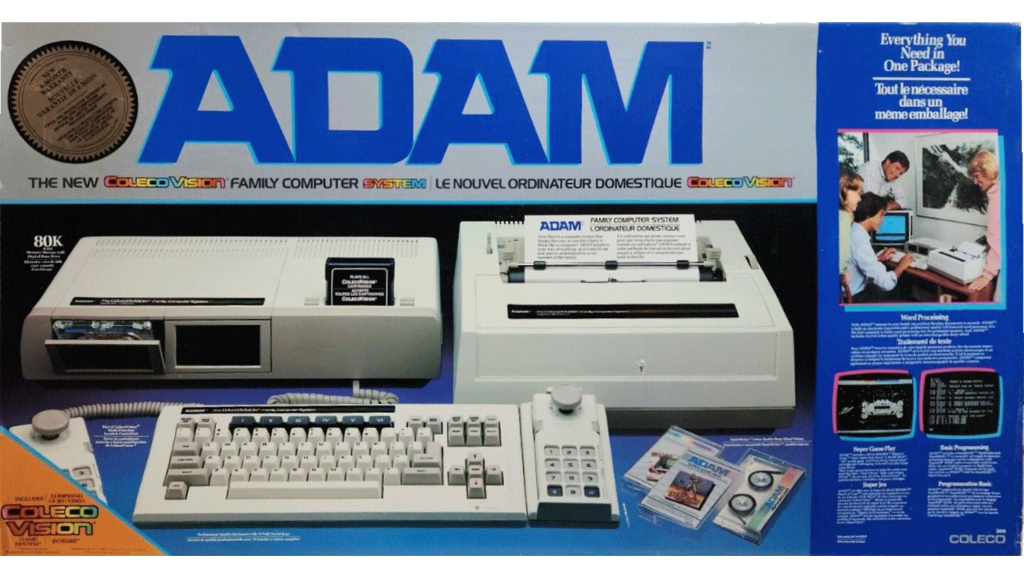
The Coleco Adam was a home computer, but it was also developed to play games, so it counts for the purposes of this list. The system was intended as a follow-up to the ColecoVision, so it included a ton of additional features. It was also compatible with all of the ColecoVision’s components and games, which was ideal. Unfortunately, while the concept was great, the execution was subpar, and many units were poorly constructed, resulting in numerous hardware defects and damage to the brand. The Coleco Adam remained on the market for less than two years and failed, bringing the company down with it, as Coleco declared bankruptcy in 1988.
4) Amiga CD32
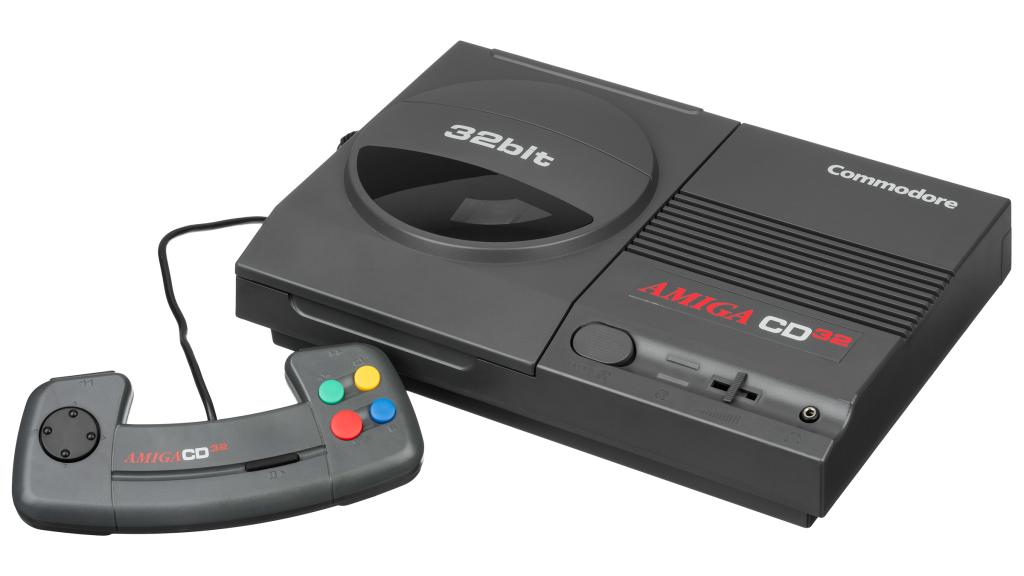
If you want to know how not to design a home video game console, look to the Amiga CD32, which was touted as the first 32-bit gaming console. In reality, it was an Amiga 1200 PC without a keyboard or I/O ports, though it had better graphics, and one of the worst-designed controllers ever created. Most of the system’s games were ports of titles already running on earlier Amiga computers, which would have been fine, but they didn’t take advantage of the CD-ROM capabilities. That meant nothing was added, so no full-motion video or higher-quality CD music. The system didn’t last seven months, and Commodore filed for bankruptcy as soon as it discontinued the Amiga CD32.
5) Gizmondo
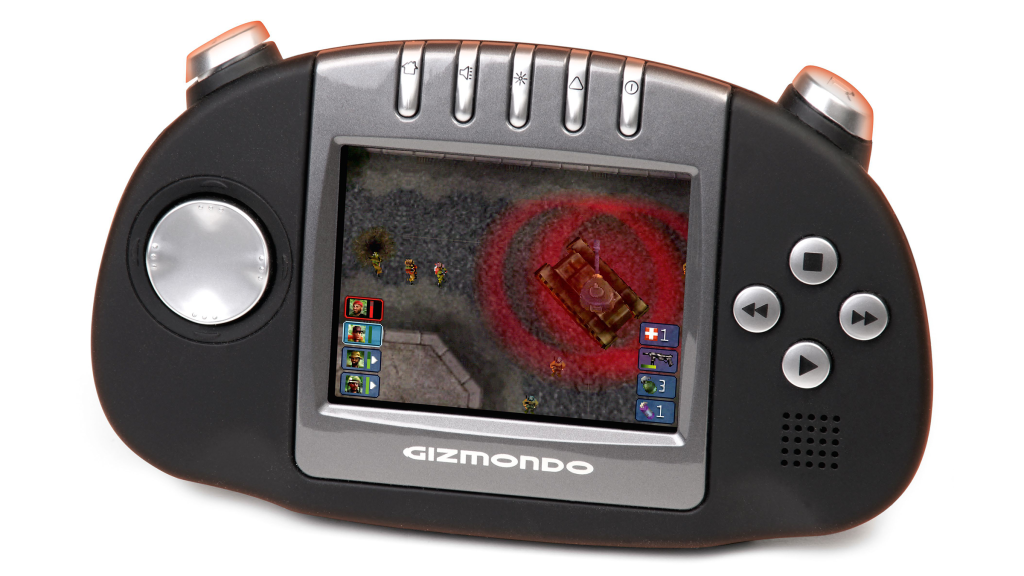
There were some odd devices released in the 2000s that came in strange shapes. The Nokia N-Gage is notorious, but it didn’t kill Nokia. The same cannot be said of Tiger Telematics’ Gizmondo, which came with a built-in GPS chip and digital camera. It also had cellular connectivity, SMS, and other features common in smartphones today. It was actually a pretty robust system for the time, but it was also poorly designed, cumbersome, and had little to no game support. The system was briefly released in the United States and Sweden before it failed within a year, taking the company down with it.
Did you own any of these failed consoles? Leave a comment below and join the conversation now in the ComicBook Forum!