We’re already halfway through 2026, and a handful of sci-fi shows have already arrived and managed to surprise audiences. There hasn’t been a major wave of genre releases, but a few new productions and returning seasons of already established series are clearly out there, driving most of the conversation. And yes, there’s still plenty to come by the end of the year, but what has dropped so far has already filled TV with a landscape that feels less about total innovation and more about execution — the shows that nail tone, pacing, and identity end up standing out more than the ones that simply aim for ambition.
Videos by ComicBook.com
With that in mind, the question becomes: which one is the best so far? We’ve put together a selection of the 5 best sci-fi shows and new seasons that have already premiered this year and ranked them from the least standout to the most fully accomplished. And we’re taking into account not just overall quality, but also how each one fits into a year where sci-fi TV is more competitive, but also more selective when it comes to real impact.
5) The Boroughs


Within the sci-fi space, The Boroughs was a very solid surprise this year, even if it ultimately got unfairly cancelled due to a few very specific factors. Still, it’s hard to leave it out of this list. With strong writing and a compelling central setup, the show follows an apparently normal community where strange events start piling up, pushing a group to investigate a mysterious threat with potentially world-altering consequences. The twist is that the main characters are elderly, but the overall vibe ends up feeling very close to Stranger Things.
And beyond its sci-fi foundation, the show draws from horror and investigative drama. So why does it sit at the bottom of the ranking? The main issue is a lack of control in its storytelling, even if not to the point where it completely falls apart. Compared to the other shows on this list, The Boroughs often prioritizes atmosphere and tension-building over actually paying off its central concept (even though that might have been explored in a second season). That choice can work in theory, but in practice, it weakens the narrative drive across episodes.
4) The Testaments

Who remembers the once-talked-about The Handmaid’s Tale? The Testaments showed up this year as its spin-off, set in Gilead years later and following a new generation of young women growing up inside the same absolute dystopian control system we already know from the original show. The idea here is to explore how a regime sustains itself, adapts, and shapes behavior from childhood onward. For anyone who enjoyed digging deeper into this universe both on TV and through the source material, this new installment is a very solid continuation.
On the other hand, while the execution is strong, it doesn’t really change the game in any significant way. The Testaments works more as a direct extension of the universe than something that meaningfully expands it (at least so far, based on its first season). The show is efficient and competently made, there’s no denying that, but it also plays it very safe — and in the context of 2026, that inevitably weighs against it. Other sci-fi shows are more willing to take risks with structure, tone, or idea.
3) Star City

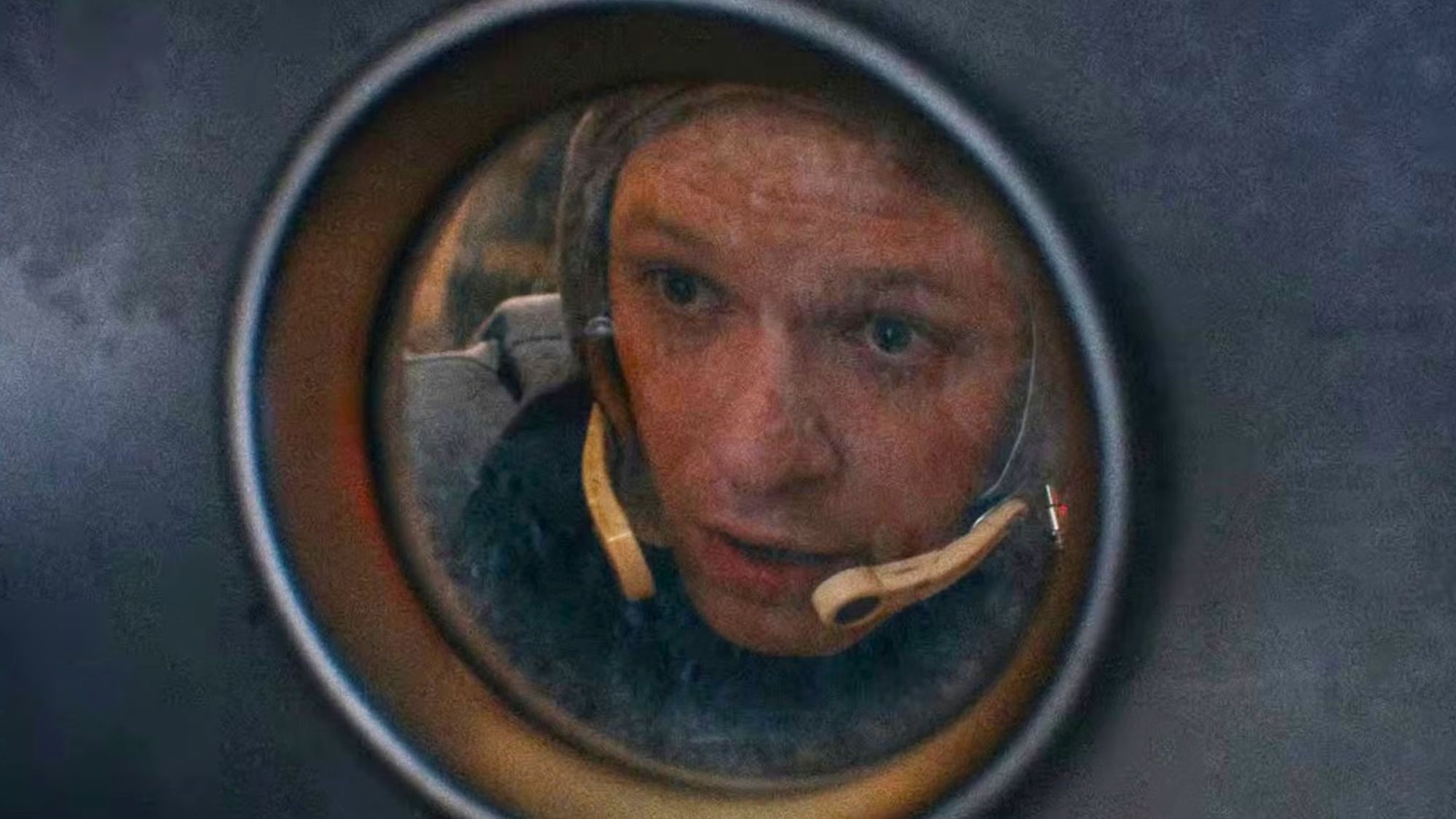
Another major spin-off this year is Star City, which takes the world of the ambitious For All Mankind and shifts the focus to the Soviet side of the space race, aiming to explore how this alternate version of history pushes technology, politics, and ambition to a whole new level. This is pure engineering-driven sci-fi, built around political decisions and historical consequences — less about “far future” concepts and more about “what would have happened if this had escalated differently.” It’s a really strong and audacious idea, and it mostly works thanks to how carefully the writing handles it.
Star City is essentially a slow-burning show, and it can even be watched on its own without relying on the original show. Out of all the sci-fi on TV right now, it’s probably the most consistent when it comes to world-building. It’s not the most attention-grabbing entry on this list, but it’s the one that knows exactly what it’s doing from start to finish. The only downside is that it’s also more restrained and doesn’t really push beyond its own format. Other shows take bigger narrative risks or have a stronger impact outside their niche.
2) Paradise (Season 2)

Paradise already had a built-in audience, so Season 2 arrives, continuing to explore a post-collapse society built inside what initially looks like a controlled refuge, while the external world and internal secrets start colliding more directly. It’s sci-fi mixed with thriller and political drama, but it’s also trying to move beyond its original premise and expand the scope of the entire story. In this new chapter, the tension no longer stays confined to the bunker, splitting the narrative between survivors on the surface and the underground community.
One of the season’s biggest strengths is how consistently it keeps tension high, but there are also noticeable drawbacks compared to Season 1, which is part of why the show has become one of the most talked-about sci-fi entries of the year so far. And that’s also what keeps it from climbing higher in the ranking — it’s a more divisive season, even if it’s far from a disappointment. In short, Paradise‘s new season has longer episodes, some shifts in direction, and a few decisions that weren’t well received, but it still hasn’t lost its impact and remains one of the strongest shows this year.
1) Star Wars: Maul – Shadow Lord
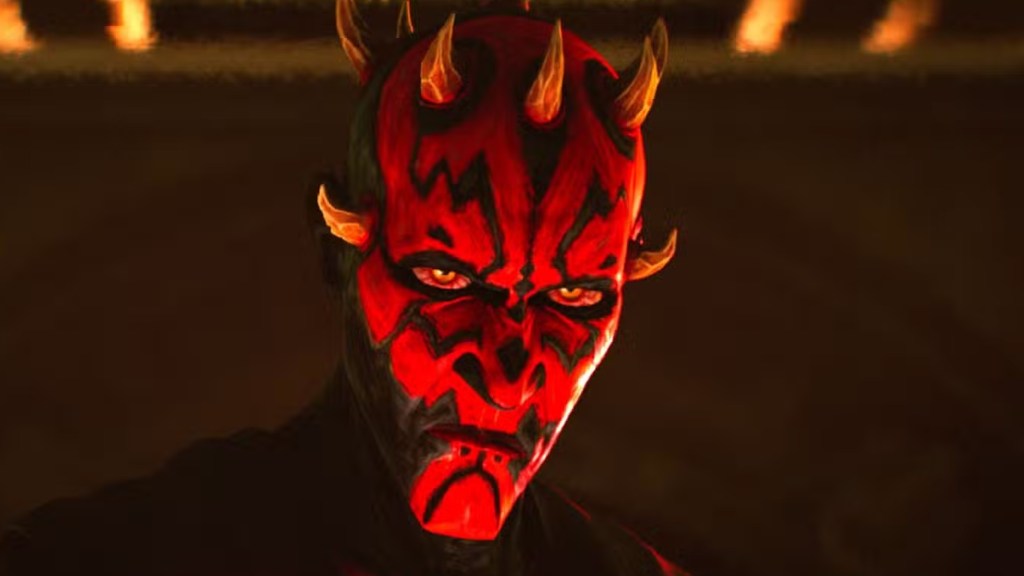
The Star Wars franchise carries a certain weight for a reason, even if some of its TV productions haven’t lived up to expectations lately. Star Wars: Maul – Shadow Lord, however, is an exception. Premiering this year as an animated series, it takes place after The Clone Wars and follows Darth Maul as he tries to re-establish his place in the galaxy’s criminal underworld while the Empire tightens its grip on power. It’s an expansion of the established universe, but one that doesn’t rely on nostalgia, since the protagonist himself is strong enough as a character to carry the story on his own.
The show lands at number one on this ranking because it’s the only entry that nails everything at once: identity, execution, and impact. At no point does it feel like something trying to figure out what it is — it already knows. And that matters in a year where a lot of sci-fi TV is still adjusting tone, scale, or ambition. There’s no hesitation in Shadow Lord, no creative uncertainty, and that level of confidence is what pushes it comfortably to the top of the list.
What do you think of these shows? Leave a comment below and join the conversation now in the ComicBook Forum!