





Over the decades, merchandising has become a huge part of the Hollywood machine, particularly when it comes to franchise films. Those types of projects receive tie-in products of all shapes and sizes, ranging from action figures to collectible figures to adult LEGO sets, and everything in between. What’s so cool about this is the fact that fans of any age can bring a piece of their favorite movie home with them, allowing youngsters to create their own adventures and older viewers to proudly display an iconic vehicle or creature design. Studios have become incredibly smart about the way they license their most valuable properties, but there were some growing pains along the way.
Videos by ComicBook.com
When figuring out a merchandising plan for an upcoming genre film, it’s vital to properly identify the movie’s target audience so the studio can strike deals for products that will appeal to those key demographics. In 1977, Star Wars became a toy company’s dream because children were the primary audience and there was a huge demand for toys. Other films, like Ridley Scott’s Alien, are geared specifically for a much older audience, which is something Kenner learned the hard way.
Why Kenner Requested a PG Cut of Alien

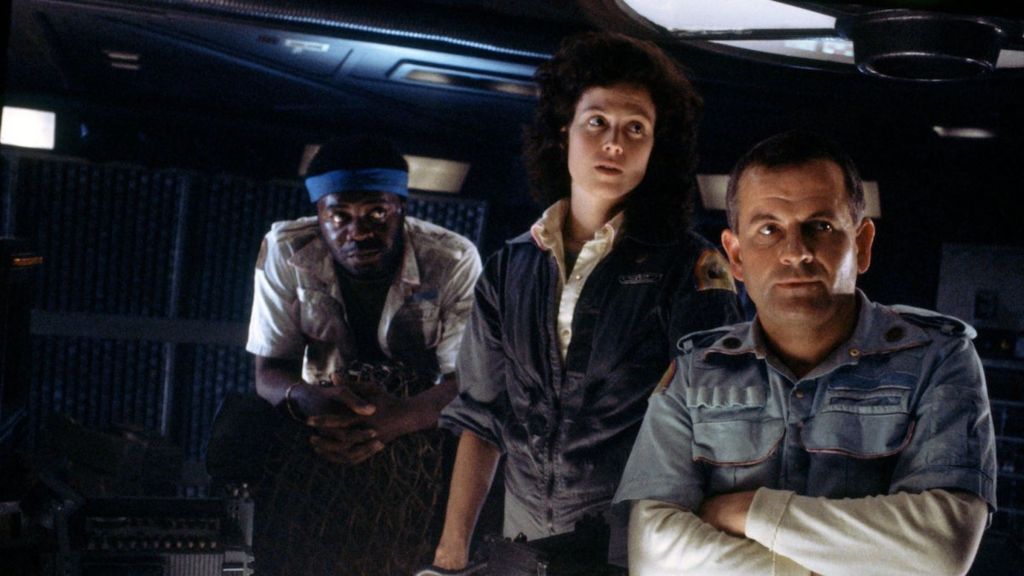
After striking gold with their Star Wars toys, Kenner thought it had another winner on its hands when Alien was coming out just a couple years later. While both are iconic sci-fi films of the 1970s, they couldn’t be further apart in terms of style and tone. Whereas Star Wars is a family friendly space opera, Alien remains one of the most terrifying cinematic experiences of all time. The movie was pitched as “Jaws in space,” but it was far more intense than Steven Spielberg’s hit thriller, fully embracing the R rating and dialing up the blood and gore.
This caught Kenner off guard. As detailed in a post on Other Strangeness, the toy manufacturer was under the impression that Alien would be rated PG like Star Wars, so they pushed ahead with a startlingly lifelike xenomorph action figure that was advertised as the hot new toy to get for Christmas. Kenner thought the xenomorph could follow the footsteps of Darth Vader, capitalizing on youngsters’ love for villains. When Kenner learned that Alien was instead rated R, they tried to save face by requesting the film be edited down to PG, but “Fox said no.” The xenomorph action figures came out as scheduled, but it obviously didn’t sell as well as Kenner’s Star Wars toys. Its nightmarish design proved too much for kids to handle.
From a business perspective, it’s understandable why Kenner was interested in a PG cut of Alien, but from a creative standpoint, it’s for the best that 20th Century Fox held its ground. Even if PG-13 existed at the time, Alien is a film that demands the R rating. It’s such a unique blend of sci-fi and horror built around frightening sequences like the chestburster scene and Dallas’ encounter with the xenomorph in the ducts. Alien shares a genre with Star Wars, but it’s trying to be something else entirely, imbuing the audience with feelings of dread and isolation. There’s a reason why the Fox marketing team went with the now-iconic tagline “In space, no one can hear you scream.” The goal of Alien wasn’t to be escapist entertainment; it was to put people on edge.
If Kenner had won out and Alien was re-edited to fit PG standards, it’s safe to say the film would not have made as much of an impact. It likely would have been widely criticized, with a common refrain being that it was watered down to appeal to a younger audience. If that had happened, then Alien likely isn’t a success, and it doesn’t spawn one of the longest-lasting sci-fi franchises in pop culture (which means no Aliens, among other things). I would be morbidly curious to peek into the alternate reality where a family friendly Alien hit the big screen in 1979, but things worked out just fine here.
What do you think? Leave a comment below and join the conversation now in the ComicBook Forum!