








TODAY IN OBVIOUS STATEMENTS: Orgasms are pretty f*cking awesome. But why do some feel particularly intense, while others are just meh? Turns out, there are several ways to make your orgasms better, according to sex experts, and they’re easier than you might think.
“The intensity of a male orgasm can be amplified by many factors,” says Dr. James Elist, MD, a Beverly Hills-based urologist who specializes in male sexual dysfunction. “In general, these factors include lower stress levels, heightened sexual arousal, and optimal overall health. Mental stimulation (mood, attraction, erotic thoughts) and physical fitness (cardiovascular health, muscular strength, endurance) also influence the intensity of male orgasms.”
Don’t get me wrong—your penis plays an important role. But orgasms are “a whole-body experience,” says Jon Prezant, LCSW, a sex and couples therapist in New York. If your climaxes feel strong and satisfying, it’s often a sign your physiological systems are working well in the background, like sleep, stress regulation, blood flow, and hormone signaling. If they feel a little lackluster, it can be a useful cue to zoom out and look at what’s going on in your life and body.
Orgasms aren’t just a reflection of your overall health; they can also support your physical well-being, too. Prezant warns that people overpromise the research all the time, but there are a few real, non-magical benefits worth mentioning.
Namely, orgasm releases a flood of feel-good neurochemicals, including oxytocin, endorphins, dopamine, and prolactin, says Matthew Phillips, PhD, LCSW, a sex therapist in Stamford, Connecticut. This can counter the effects of chronic stress and support mood. Prolactin and oxytocin are also associated with relaxation and sleep onset, which may help you fall asleep more easily and get deeper rest. Not a cure-all, not a biohack, but a serious nervous-system downshift.
How Men Can Improve Their Orgasms
Looking to take your orgasms from mediocre to mind-blowing? Here are 21 expert-backed strategies to try, whether you’re masturbating or getting down with a partner.
1. Touch your taint.
If you haven’t already been introduced, meet your taint—the strip of skin between your balls and your butt. Also known as the perineum, it’s a sensitive area packed with nerve endings; and for a lot of men, it’s an easy way to add intensity to your orgasms without changing much else. In fact, stimulating this area can feel especially powerful because it sits near the prostate and the base of the penis, says Arlene Goldman, PhD, a sex therapist and coauthor of Secrets of Sexual Ecstasy.
Dunno what to do? Prezant recommends starting solo. First, find the midpoint between the base of your testicles and your anus, and then apply steady, firm pressure with one or two fingertips. Rather than frantic rubbing, try a slow pulse. Many men notice a more satisfying finish because you’re adding a second layer of sensation close to the base of the penis and prostate.
2. Massage your P-spot (a.k.a. the prostate).
The prostate can be a major pleasure zone for men, and yes, this is the part where some straight guys get weird about butt stuff for approximately no reason. Exploring prostate stimulation doesn’t say anything about your sexuality; it just says you know how your body works. “The prostate is a nerve-rich gland that exists in all male bodies regardless of orientation,” Prezant previously told Men’s Health. “Stimulating it is anatomy, not identity.”
Now that that’s settled, here’s how to stimulate your prostate: After a shower, use a thick water-based or silicone-based lube and gently massage the area around the anus, says Prezant. You don’t have to insert a finger your first time; instead, he recommends beginners keep things simple and low-pressure with external contact. If/when you’re ready to go deeper, trim your nails first and insert your pointer finger slowly, stopping about two inches inside the rectum. Angle your finger toward your belly button to find a walnut-sized, semi-firm gland, then apply gentle pressure.
One option for a mind-blowing orgasmic experience is to combine prostate and penile stimulation. Another option is to focus entirely on the prostate and have a P-spot orgasm, which many people describe as a deeper, fuller-body sensation. Some men say it initially feels like the urge to pee, which is normal at first. The rule is simple: Pressure is okay, pain means stop.
3. Shorten your refractory period.
You probably already know this from a life spent blowing your load, but just in case you need a refresher: Your refractory period is the time after you ejaculate when your body basically says, “Not yet.” Yes, it can be annoying when your brain is ready to go for another round, but your erection takes a bit longer to catch up. More importantly, refractory time and orgasm quality are often influenced by the same behind-the-scenes factors: blood flow and vascular health, dopamine regulation, and nervous system recovery speed, says Prezant.
Another factor that impacts refractory time? The release of prolactin, says Michael Stokes, LMHC, a sex therapist in West Hartford, Connecticut, which temporarily suppresses arousal. This is a big reason your body needs a beat before it can ramp up again. Right after ejaculation, the glans can feel hypersensitive or even irritating, so both Prezant and Stokes recommend pausing direct genital touch for a few minutes before going for round two. During that time, you can keep the erotic energy alive in other ways, such as kissing, touching other erogenous zones, slow breathing, fantasizing, or talking dirty.
Once arousal starts to return, you can ease back into penis stimulation. Timing varies wildly on refractory periods, but Stokes says a general range is a few to ~30 minutes for younger men, 30 minutes to several hours for middle-aged men, and hours to a day or more for older men.
4. Try for multiple orgasms (penile and prostate).
Thanks to the refractory period, multiple ejaculatory orgasms back-to-back are tough for most men. But some men can work toward non-ejaculatory multiple orgasms (NEMOs), which can feel different and less intense than a typical orgasm. “You can’t expect for each small orgasm to feel like your usual orgasms,” Jonathan Stegall, MD, founder and president of the Center for Advanced Medicine in Atlanta, previously told Men’s Health. “They’ll be less in intensity, but for some men, having several small orgasms is actually preferable to having one big one.”
The key is squeezing your pubococcygeal muscle (it should feel like stopping a pee midstream) right at the brink of climax, until you learn to separate the feeling of orgasm from the experience of ejaculation. But it’s not like flipping off a light switch, so don’t expect this technique to work the first time you try it. “It’s about getting practice and getting the reps in to learn,” says Stokes. Pro tip: Deep breathing can also help you lean into those feel-good sensations without blowing your load.
5. Strengthen your pelvic floor.
“You know how women do kegel exercises and say it strengthens their vaginal orgasm? Men can do the same,” says Alex Robboy, LCSW, a sex therapist in Philadelphia.
Pelvic floor strength and coordination can influence orgasm intensity and control. But men don’t just benefit from pelvic floor muscles that are strong; kegel exercises can also help them become more relaxed and flexible, says Phillips.
If you’re serious about pelvic floor work, a pelvic floor physical therapist can save you a lot of trial and error. Stokes recommends working with one, especially if you’re dealing with erection issues, premature ejaculation, weak orgasms, or pelvic discomfort. This is one area where “just squeeze more” is not always the answer.
6. Try a sex toy.
Toys aren’t just for people with vulvas. Vibrators, cock rings, masturbation sleeves, and prostate massagers can all stimulate the male anatomy in new ways, helping you break out of the same old routine and the expected orgasms that come with it. Plus, if you’re stuck in a high-pressure death grip pattern when masturbating, using a masturbation sleeve can help retrain your body to respond to sensations closer to partnered sex, says Prezant.
Shop our Favorite Sex Toys for Men


7. Eat an orgasm-friendly diet.
A stronger heart = stronger orgasms. It’s boring but true: Improving cardiovascular health is one of the most fundamental ways to boost orgasm quality, Phillips says. That means exercising regularly, getting adequate sleep, eating a balanced diet, and managing chronic conditions, like diabetes and high cholesterol. But it’s not just your heart that will benefit—a healthy eating routine also produces more consistent blood flow and stronger baseline energy, which usually means better sexual function.
Not sure exactly what to fill your fridge with? Start with leafy greens. Spinach helps dilate blood vessels, which can increase blood flow to the genitals. Other greens like kale, cabbage, and bok choy are good sources of folate, which helps reproductive health.
Next, make sure you’re eating eggs. They’re rich in B vitamins, which ease stress and support a healthy libido, leading to better orgasms.
“Eating healthy fats is important for the neurological function necessary for sexual response,” says Suzannah Weiss, AMFT, CSE, a sexologist, sex educator, and marriage and family therapist in Los Angeles. “Foods like avocado, olive oil, and coconut oil also help to leave you satiated so you have the energy to be present and enjoy a sexual experience.”
As for what to avoid in your diet, Dr. Elist suggests limiting processed foods, added sugar, alcohol, sodium, and caffeine.
8. Try edging.
Edging might sound like you’re supposed to give yourself blue balls before you can blow your load, but think of it as delaying gratification for a larger payoff. In fact, a study in the Journal of Sex Research showed that if people paused when they were about 90 percent of the way to climax, and then resumed after slowing down a bit, their eventual orgasm was way more powerful.
“The buildup of arousal is a big part of what makes orgasms intense and satisfying,” Prezant says, and edging extends that buildup. His simple method: Get to about a 7 out of 10 on your arousal scale, back off, breathe, let it drop to a 4, and then, build back up to an 8. Repeat this process two or three times before finishing. Stokes recommends a similar beginner-friendly approach: Pause around a 6 or 7, take five slow breaths, then resume.
But if you’re highly perfectionistic or already struggle to orgasm, edging can backfire by adding mental pressure, Prezant says. So, this technique may not be for you, and that’s okay, there are a ton of other ways to improve your orgasms.
9. Focus on other factors before you chase “testosterone hacks.”
Low testosterone is often associated with reduced libido, erectile dysfunction, and delayed ejaculation, all of which impact your ability to orgasm. But you don’t need any fancy T-boosting supplements, Prezant says, because supplementing way above meaningful levels won’t make you more sexually agile. Instead, if you want to support hormone health, start with the basics, like getting a good night’s rest. Poor sleep can drop testosterone while increasing cortisol, he explains, which can impact erections and orgasm quality.
You can also try some testosterone-boosting activities, like going for a run. Regular cardio exercise can improve blood flow and endurance, leading to more satisfying sex, says Lisa Lawless, PhD, a psychotherapist specializing in clinical psychology, relationships, sexual health in Bend, Oregon. Studies have also shown that cardio activities like biking, jogging, and swimming can boost your sex drive.
All that said, if you’re symptomatic, get tested so you can address a real testosterone deficiency under the supervision of a medical professional. Otherwise, prioritize sleep, exercise, and stress regulation first.
10. Stroke your sack.
Testicles rise closer to the body right before ejaculation, and some men find that gently pressing upward there increases arousal, Goldman says. Keep the touch light and responsive, and if it feels like too much, scale back.
11. Get out of your head and back into your body.
This is the difference between a decent orgasm and a great one for many men.
A workout will feel completely different if you’re letting your mind wander versus completely concentrating on your reps and form, right? If you find yourself thinking “Am I hard enough?” or “Is this taking too long?”, take a moment to return your attention to the physical sensation, says Stokes. The less you force it, and the more you focus on what you’re feeling—full stop—the better.
12. Just breathe.
Breathing helps regulate the nervous system, which affects orgasm quality. Slow exhales are a simple entry point, Prezant says, because they help shift your body out of that braced, activated state and into a relaxed one. Try syncing your exhales with your strokes or thrusts to start. Then, right before orgasm, slow your heart rate and breathing. This will improve the amount of oxygen and blood flow that reaches your genitals, making your climax even stronger.
13. Lower your blood pressure.
First, you should maintain low blood pressure for the sake of your overall health. However, having health blood pressure can also help with your sex life.
High blood pressure damages your blood vessels and can make them less able to produce nitric oxide, the molecule that helps blood flow into the penis in the first place, says Prezant. If it goes untreated, you’re basically degrading the plumbing your erections and orgasms rely on, he explains. Plus, high blood pressure is linked to problems with ejaculation and reduced sexual desire, according to the Mayo Clinic.
This is another area where getting back to basics can make a big difference: Regular exercise, maintaining a healthy and balanced diet, and stress management can all help lower blood pressure, says Dr. Elist. But in certain cases, high blood pressure requires prescription treatment, and some blood pressure medications can also worsen ED. While you should never stop taking your blood pressure medication because of sexual side effects, it’s absolutely worth asking your doctor about your treatment options.
14. Aim for a slow build-up.
“Many men are conditioned to go fast—whether stroking or thrusting—when seeking orgasm,” says Carol Queen, PhD, sex educator, staff sexologist at Good Vibes, and author of The Sex & Pleasure Book. “But slowing down adds the ability to focus on your body and its senses, recalibrating how build-up can feel. And if you’re not giving yourself the fast and furious experience, you’ll find that you might even last longer—sometimes way longer—than you’re used to.”
15. Swap out porn for sexual fantasy.
Fantasy can be useful, especially if it keeps you engaged and aroused instead of distracted. Prezant says it helps to think about this as a way to redirect focus: “Porn often pulls attention outward, while fantasy tends to direct attention inward.”
With porn, some guys end up scrolling for the perfect clip, switching videos, or focusing so hard on what they’re watching that they’re not really paying attention to what they’re feeling. It’s not inherently harmful, says Prezant, but if porn becomes the only way you get turned on, it can train attention away from bodily sensation. You end up orgasming on autopilot, which feels fine, but fantasizing can make your climax feel, well, fantastic.
Because your brain is so focused on creating a fantasy, there’s no room for self-monitoring thoughts like “Am I taking too long?,” “Am I hard enough?,” or “Is this working?” Basically, using your head can actually help you get out of it and into your body.
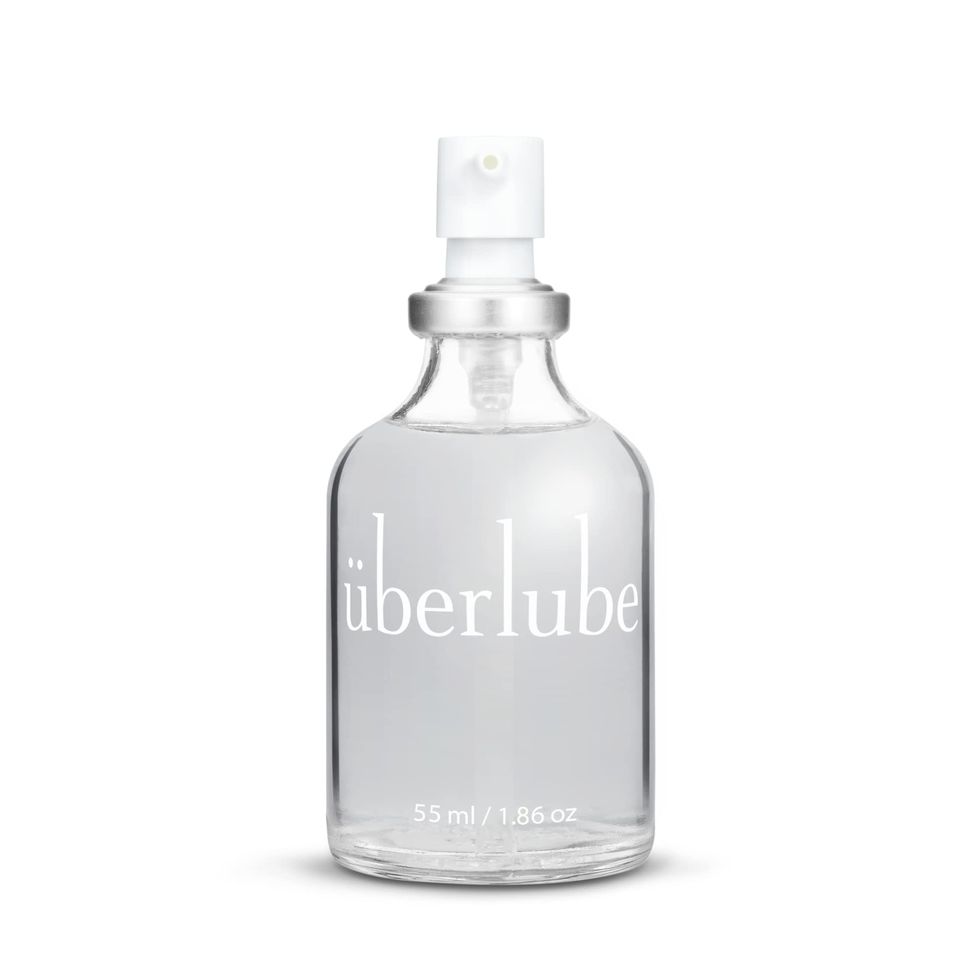
16. Use lube.
Using lube makes it 50 percent easier for both men and women to orgasm, according to research from Indiana University’s Center for Sexual Health. The science makes sense: Lube reduces discomfort from friction, Dr. Elist says, so you can focus solely on your pleasure.
Oh, and this doesn’t just apply to penetrative sex. Experts agree that lubing up can take any solo pleasure sesh up a notch, too. “Just remember to always choose a lube compatible with your condom or sex toy,” Dr. Elist adds. Water-based lubricant is your best bet in those instances.
Shop Our Favorite Lubes

17. Wait longer between sessions (sometimes).
If you’re on a very regular schedule, try not cashing in on every need-to-cum urge immediately and give yourself a 24- or 48-hour pause. “Waiting longer between sex sessions can create a buildup of sexual tension, leading to potentially more intense orgasms,” says Dr. Elist. But the sweet spot is personal, and it might take a bit of trial and error to find it. Waiting too long can decrease sexual desire, increase the chances of premature ejaculation, and reduce the intensity of erections, according to Dr. Elist. In that case, a shorter interval might work better for you.
18. Introduce some nipple play.
“Male nipples have loads of nerve endings, but unfortunately, they are often overlooked due to social stigma,” says Cain Joyland, a clinical sexologist based in Allen Park, Michigan. And wouldn’t you know: A study in The Journal of Sexual Medicine found nipple stimulation is arousing for 52 percent of men—yet only 17 percent have had their nipples played with during sex. Clearly, there’s a massive missed opportunity here for more mind-blowing orgasms.
Combining stimulation of the genitals with other erogenous zones—like the nipples—can create a “blended orgasm,” Queen says, “which can be extra strong because more nerve endings participated in its creation.”
If you and your partner are open to experimenting, they can lube up their fingers and then caress or pinch your nipples during a blow job, says Joyland, for an explosive combination of sensations.
19. Try sensory deprivation.
Sex is a feast for the senses—but what happens when you take some of that away? Turning off one sense can turn up the volume on the others. This approach, known as sensory deprivation, unlocks the potential for an even more earth-shattering climax, says Joyland.
Wearing a blindfold or noise-cancelling headphones, for example, can make touch feel more intense. Because when you can’t see or hear anything, you’ll feel everything even more, Weiss says.
That said, if you’re prone to anxiety, keep it simple (i.e. close your eyes, dim the lights, wear earplugs) and short. The goal is heightened sensation, and you don’t want to feel trapped in your own head.
20. Focus on the frenulum.
The frenulum is the small band of tissue on the underside of the penis connecting the head to the shaft, and since there are a ton of nerve endings in such a small area, it can be intensely sensitive for many men. If you or your partner stimulate it with a lighter touch, lips, tongue, or gentle vibration, it can create a different type of arousal than the standard base-to-head stroke. You may need more time and patience here, but the payoff can be a deeper, more memorable finish.
21. Bottom line: Mix up your routine.
Notice how pretty much all of these tips involve trying something new or doing something you’re used to, but in a new way? Yeah, there’s a scientific reason for that. As we get “used to” certain sexual stimuli, we don’t get aroused in the same way—but new experiences can increase sexual desire and satisfaction, according to a research review in The Journal of Sex & Marital Therapy. Not only that, but a 2015 study in Evolutionary Psychological Science found a link between the novelty of experiences and the quality of orgasms in men.
Basically, if sex feels the same every time, your body adapts and your orgasms start to fall flat. Prezant compares it to hitting a gym plateau: same pressure, same position, same environment equals diminishing returns. Switching up the variables, even slightly—whether that’s time of day, pace, type of stimulation, or something else—can make a big difference in orgasm intensity.
Meet the Experts
- Dr. James Elist, MD, is a Beverly Hills-based urologist who specializes in male sexual dysfunction and invented the Himplant® penile implant.
- Jon Prezant, LCSW, is a sex and couples therapist in New York.
- Matthew Phillips, PhD, LCSW, is a sex therapist in Stamford, Connecticut.
- Arlene Goldman, PhD, is a sex therapist and coauthor of Secrets of Sexual Ecstasy.
- Michael Stokes, LMHC, is a sex therapist in West Hartford, Connecticut.
- Alex Robboy, LCSW, is a sex therapist in Philadelphia.
- Suzannah Weiss, AMFT, is a sexologist, sex educator, and marriage and family therapist in Los Angeles.
- Lisa Lawless, PhD, a psychotherapist specializing in clinical psychology, relationships, sexual health in Bend, Oregon
- Carol Queen, PhD, is a sex educator, staff sexologist at Good Vibes, and author of The Sex & Pleasure Book.
- Cain Joyland is a clinical sexologist based in Allen Park, Michigan

Sean Abrams was the Senior Editor, Growth and Engagement at Men’s Health. He’s a former hip hop dancer who likes long walks on the beach and large glasses of tequila. You can find his previous work at Maxim, Elite Daily, and AskMen.
Rebecca Strong is a Boston-based freelance writer and podcast host covering health and wellness, relationships, lifestyle, and travel. In addition to writing for Men’s Health, she has also contributed to Business Insider, Health.com, Healthline, AskMen, Bustle, Well+Good, Clean Plates, StyleCaster, and Eat This Not That, among other outlets. Her work has been shared and promoted by Drew Barrymore, Arianna Huffington, Esther Perel, and Good Morning America. You can tune into her podcast Well-Bent on Apple Podcasts and Spotify, or follow along on Twitter and Instagram via @wellbentpod.


