




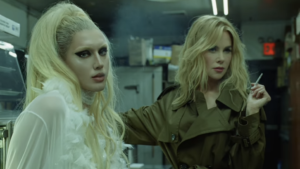


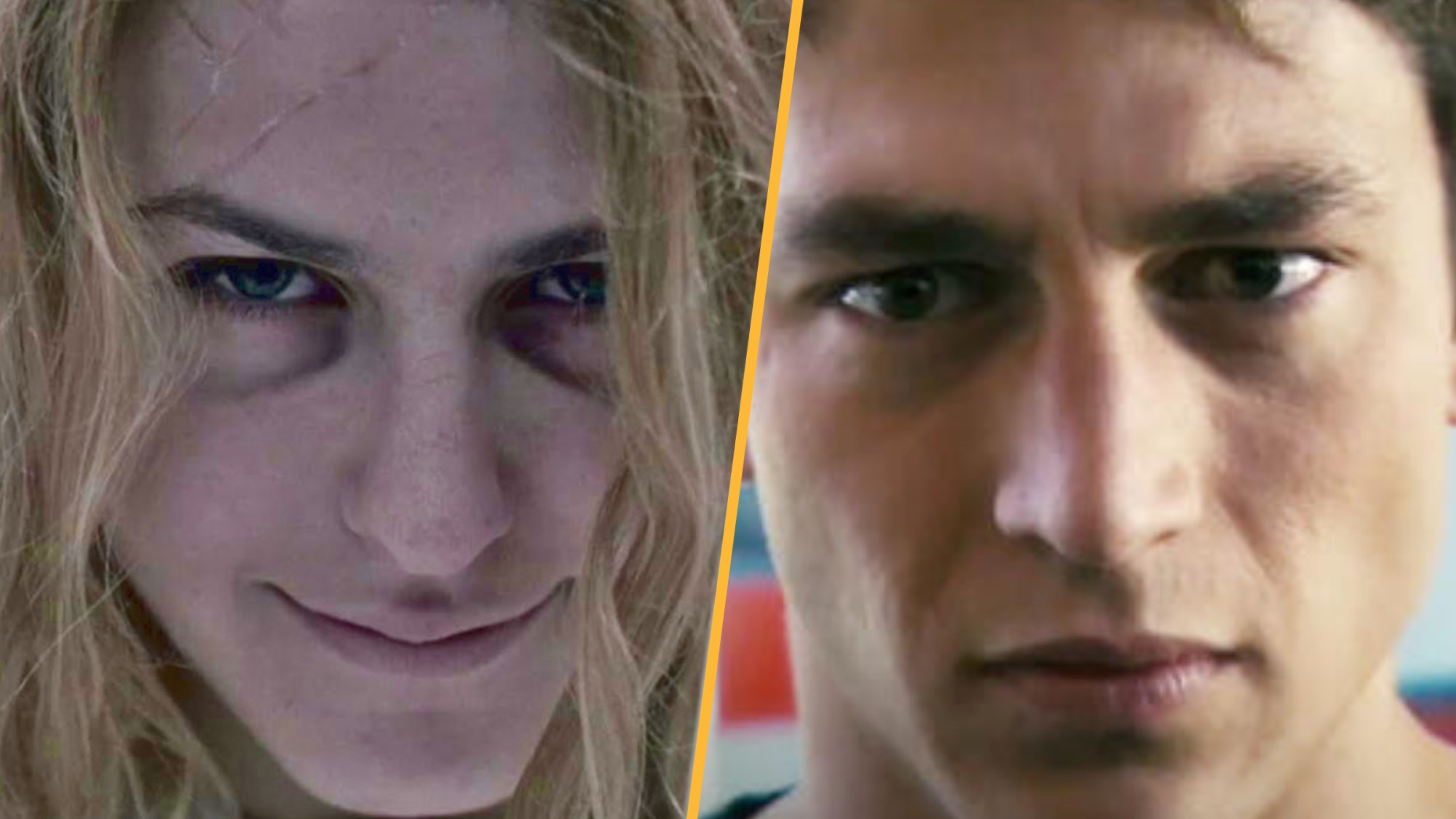
Horror is so successful now that it’s hard to imagine that there were times when the genre was a desert of bad new ideas or hackneyed sequels from franchises that had lost their luster. However, 2000s horror films were definitely plagued with both. The New Millennium made Hollywood desperate to show audiences movies that were breaking old molds: edgier, more brutal horror experiences, as well as an exploding trend of taking villains and giving them solo character studies that often turned them into dark antiheroes instead of icons of death and malevolence.
Videos by ComicBook.com
The bad trends in 2000s horror seemed to converge on one single day: August 28, 2009. That was the release date for not one, but two of the worst horror sequels of the 21st century, from two franchises that are still highly respected (and relevant) today. And god help you if you were a dedicated fan who checked out both films that weekend; you left the theater with your wallet a little emptier, and your spirits dead in the dirt.
Rob Zombie’s Halloween II & Final Destination 4 Both Released in Theaters On the Same Day

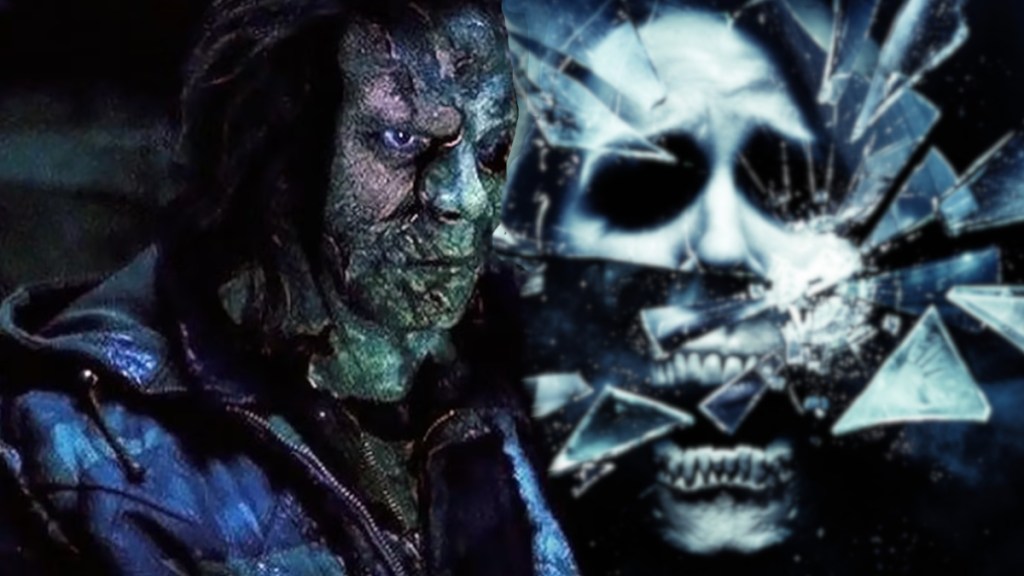
Yes, if you can believe it, 17 years ago the world got both Rob Zombie’s sequel film Halloween II and The Final Destination, the fourth film in the popular series about death itself stalking various groups of survivors. Both films were slaughtered by critics upon release; both had critical aggregate scores that were below 30%, and audience scores that were both below 45%. To this day, horror fans point to each of these films as two of the lowest points in 2000s horror, and all-around terrible viewing experiences.
Rob Zombie had already made fans mad when he released his Halloween remake in 2007. Zombie dipped into the trend of making horror movie villains more “complex” by adding deeper backstory and more intricate motivations to their actions. His Michael Myers was an unrepentant, brutal sociopath who murders an entire string of people (his school bully, stepfather, sister, and her boyfriend) before being locked away. Halloween II doubles down on that controversial take, centering on a troubled Laurie’s (Scout Taylor-Compton) survivor trauma and identity crisis; meanwhile, Michael returns to seemingly finish what he started.


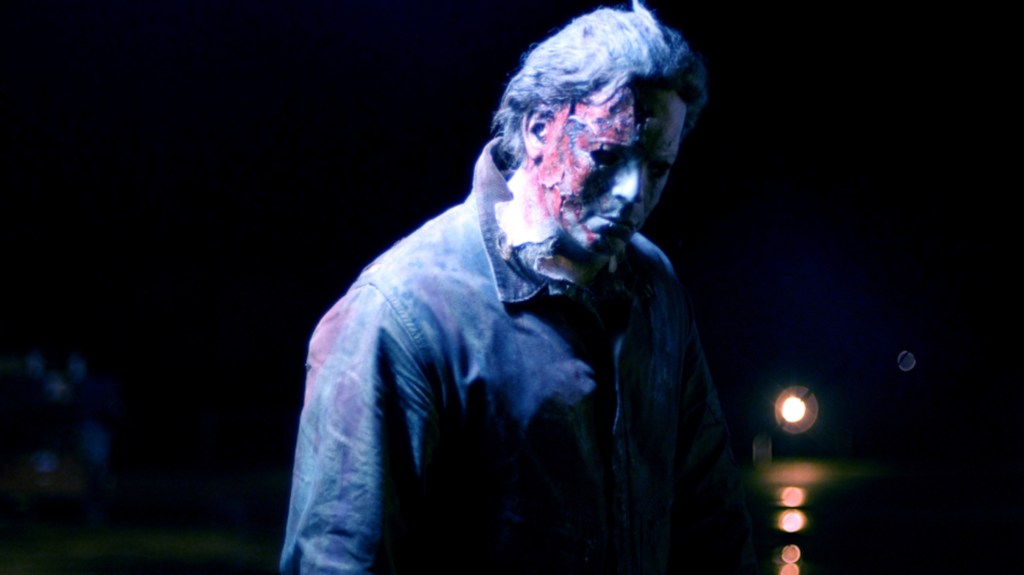
Zombie made every egregious decision in the world for the sequel: brutally gratuitous violence, more weird internal lore for Michael (Sherry Zombie’s “ghost mother” and her pale white horse), and worst of all, Michael Myers actor Tyler Mane ditches the iconic mask for a big portion of the film, maruading around Haddonfield with a look that’s now infamously known as “Hobo Myers.” The sequel killed the Halloween franchise until a legacy requel was released, almost a decade later.
Only One Film Won At The Box Office
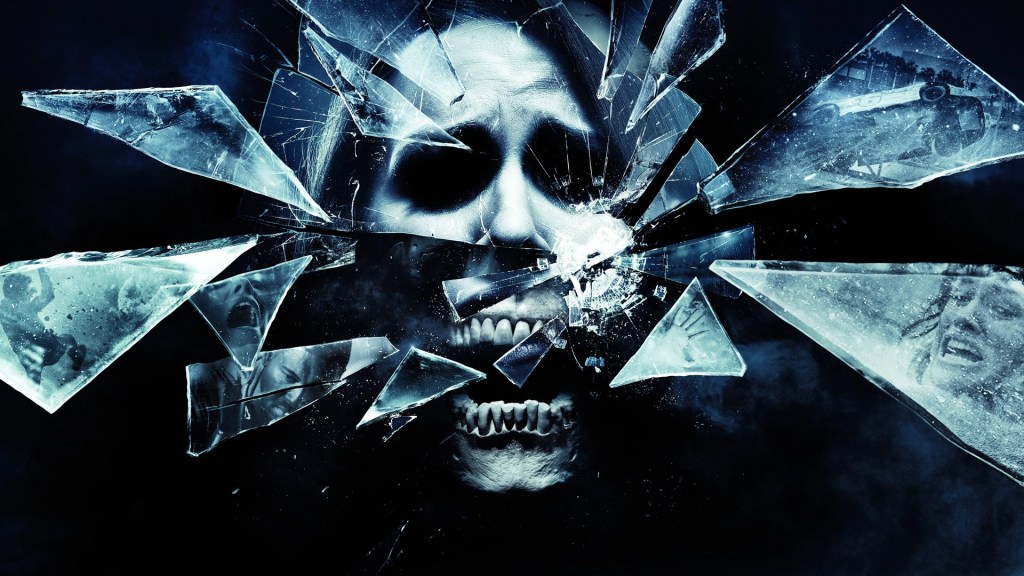
While both films were critical failures, one of them did manage to still make a killing at the box office. That was The Final Destination, which earned $187 million against a budget of $40 million. It was the most expensive Final Destination film at the time (the franchise started on modest budgets averaging around $23 million), and it became the highest-grossing installment until the reboot film Final Destination: Bloodlines was released in 2025 (earning $317 million). The Final Destination won at the box office on its opening weekend and definitely gutted its competition; Halloween II had an abysmal theatrical run, which ended with just under $40 million worldwide against a budget of $15 million.
So how did The Final Destination still succeed with such low critical and audience scores, when Halloween II got eviscerated? In a word: 3D.
As stated, the 2000s were filled with all sorts of tricks designed to convince audiences the future of cinema was taking shape, and the resurgence of 3D was one of the biggest ones. The Final Destination is, without a doubt, one of the most shameless and hokey examples of 3D moviemaking; the film hits every stereotype of 3D cheese, and fatally decides to put the gimmick at the forefront, shaping the “story” and kill sequences around it.

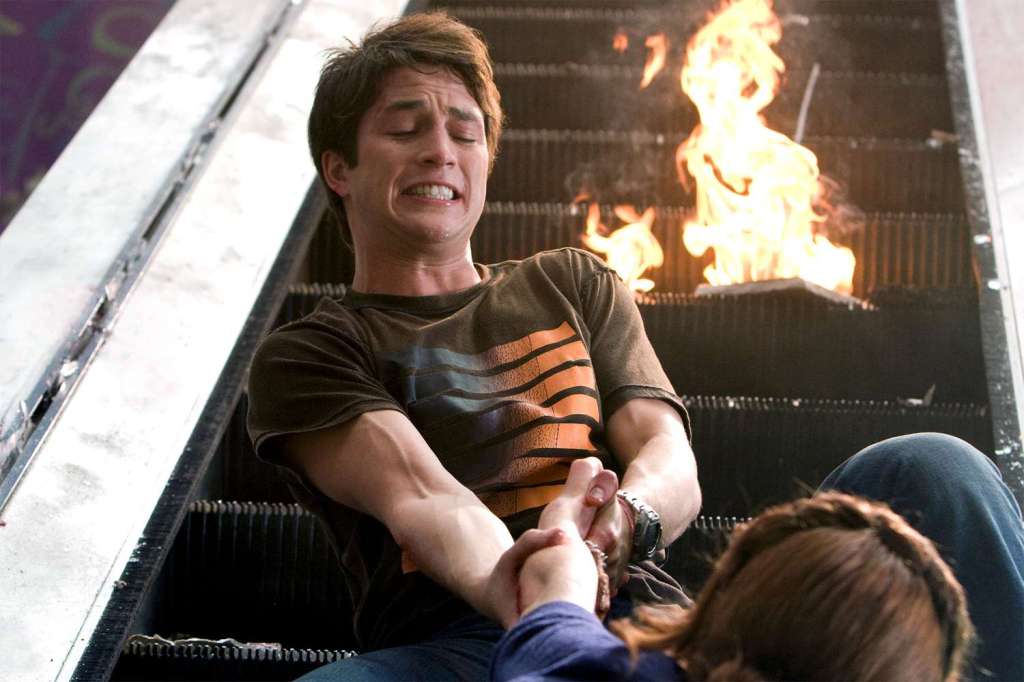
It strangled the main appeal of the Final Destination series: namely, the Rube Goldberg sequences of Death manipulating environments through small acts of cause-and-effect, leading to fatal outcomes. The climax pulls a major fakeout twist that is still considered the worst in the series, and all for the sake of the biggest 3D spectacle that director David R. Ellis could shove in our faces. Rewatching the film now, it doesn’t hold up at all without the 3D experience, and most of the shots just look so terrible; it’s laughable.
Still, audiences were hyped about 3D in the months leading up to the release of James Cameron’s Avatar, and The Final Destination reaped the benefits. The next film, Final Destination 5 (2011), would steal a page from Cameron’s playbook, as director Steven Quale vastly improved the usage of 3D, mirroring the new standard of immersive and photoreal quality 3D that Cameron pioneered.
Halloween would recover from this low point first. David Gordon Green and Danny McBride’s 2018 relaunch earned high praise from critics and audiences as a return to form (and a firm rebuke of the Zombie films). It went on to earn $259.9 million at the box office against a budget of $10 million, and inspired two sequels, which, unfortunately, have again earned the franchise a reputation of having some of the worst sequels around.
Meanwhile, Bloodlines has made the Final Destination franchise viable again, and the sequel is now set to be released in 2028. Hopefully it’s a good one.


