

HBO has been changing TV for the past 30 years. From the likes of Oz and The Sopranos, to Sex and the City and The Wire, it has defined what prestige television is, rewriting the rules of serialized storytelling, creative freedom, sex and violence, and ensuring that the small screen could more than hold its own against the big screen. The landscape has shifted a lot since then, especially with the rise of streaming, but even now it’s still associated with quality; it’s not just TV, it’s HBO.
Videos by ComicBook.com
Alongside the TV shows mentioned, one of the series that exemplifies this more than most is Game of Thrones, which is turning 15 years old. While part of its legacy is now its much-maligned series finale (and really, final season), that should in no way detract from what Thrones was able to accomplish, even from the very beginning. This was a show that could’ve gone wrong in a million different ways long before that point, and it’s a miracle that it worked out at all, given the complex (and unfinished) source material, the expansive cast, fantasy world, and things like dragons and White Walkers.
Game Of Thrones Changed TV – For Better & For Worse
Game of Thrones‘ impact on TV is most clearly seen in the fantasy genre. The success of the show effectively started a fantasy TV arms race, where every network was looking for its own version (and HBO for its own successors), be it actual fantasy or more like historical epics.
Some might’ve happened anyway, others might not, but the likes of The Witcher, The Lord of the Rings: The Rings of Power, Wheel of Time, The Shannara Chronicles, Vikings, The Last Kingdom, Shadow & Bone, and House of the Dragon are all indebted in some way to Thrones. High fantasy, with high budgets, often skewing towards adults, became a defining TV trend of the 2010s and into the streaming era.
But its influence goes far beyond fantasy. Game of Thrones built upon the foundations of several of its predecessors – the more mature, complex storytelling of shows like The Sopranos and The Wire; the mystery boxing that led to a theory-obsessed online fandom like Lost, where every minute detail was pored over; the influx of Golden Age anti-heroes – but it brought them all together like never before.
It was the right show at the right time, perfect for sparking countless Reddit threads, watercooler conversations, and ensuring people tuned in at the same hour every single week because, as it came alongside the rise of social media, the risk of spoilers was bigger than ever. And this was one show you did not want spoiled for you.

This was a boon for HBO, as it’s a bit forgotten in history now that the network was at something of a crossroads when Thrones debuted. Many of HBO’s best TV shows, The Sopranos, The Wire, Deadwood et al, were long in the rearview mirror, and cultural hits like True Detective were still a few years away. Rivals like AMC, with Mad Men, Breaking Bad, and The Walking Dead, were catching up. GOT was the series that firmly re-established HBO as the dominant force in television.
As the show went on, the slogan that it’s not just TV became truer than ever. Thrones reached a level of production that rivalled much of what was on the big screen, and bettered a fair bit of it as well. The idea of TV as cinema has taken hold and, in some ways, been taken too far (with the loss of the individual episode one of the issues with the “TV-as-movies” model of many major streaming shows). While there were ambitious, big-budget shows before it (e.g., HBO’s Rome), none took hold of the zeitgeist and proved you could do small-screen cinema like Thrones did, which is what so many shows since have tried to replicate.
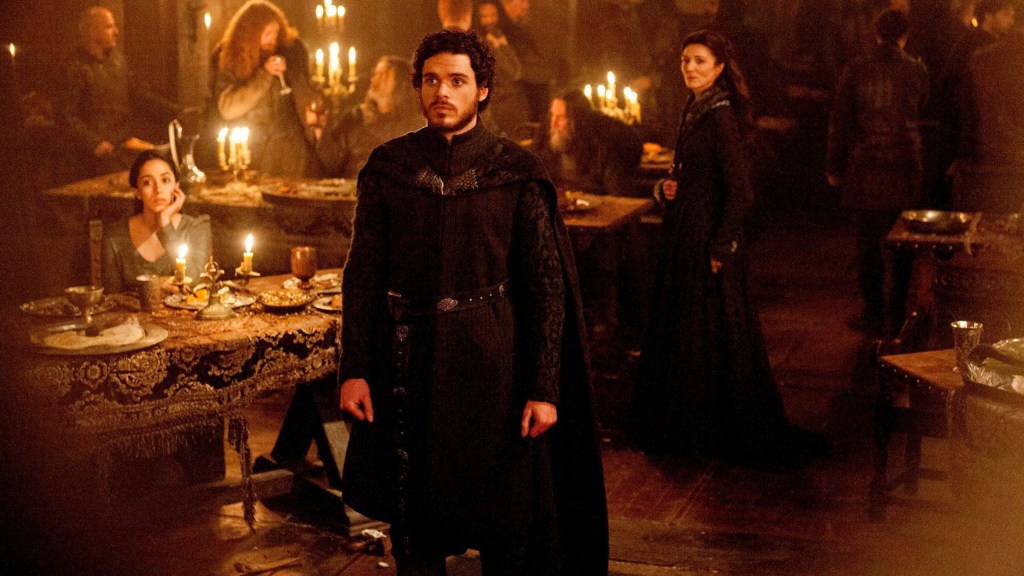
It’s also a show that (thanks, of course, to George R.R. Martin’s source material), broke the rules of how we think TV should work. There had been shocking plot twists before, but even in 2011, there was still a conventional sense of good vs. evil narratives and that the hero (or anti-hero) of the story would be the de facto winner, whatever that meant in its story. Certainly, the supposed main character did not die. Game of Thrones changed that with Ned Stark, then changed it again with the Red Wedding, breaking the internet and viewer hearts at the same time.
Not everything was great, and not every show (or viewer) learned the right lessons. The sexposition and sexual violence in those earlier seasons were not handled well, and yet its use of sex and violence was part of how it shifted the industry. And while Game of Thrones‘ character deaths were usually brilliantly done, other series didn’t quite follow: more major characters died, but often for the wrong reasons, with shock value placed over narrative or thematic pertinence. The rise of theories was also a double-edged sword, leading to incredible fan engagement but also expectations that could not be met. These are all issues that have since plagued several major TV shows, from The Walking Dead to Stranger Things.
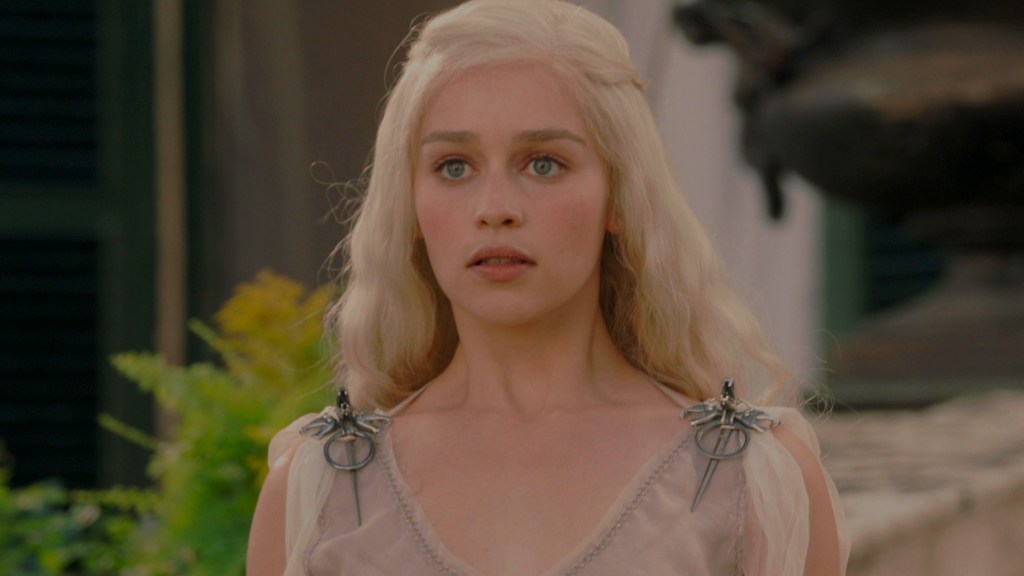
Looking back at the show’s very first episode, “Winter is Coming,” specifically, it’s also a reminder of how much time the show was afforded. Game of Thrones was not Game of Thrones overnight. 2.2 million people tuned in for the premiere, which is nothing to be sneezed at, but hardly a cultural event. The budget per episode was around $5-6m, again substantial, but not groundbreaking. It had the space to grow its audience and grow as a show, which is so rarely afforded in a streaming era that demands near-instantaneous success.
There’s also a sad, cruel irony in the TV landscape that Game of Thrones helped launch is also why, now, there is no new Game of Thrones. The scale and spectacle of series got bigger, and the budgets with them, but it’s also meant longer turnaround times between seasons, and a deluge of TV as “content” on so many different streaming series that the days of everyone coming together in a shared experience like this show had are now largely gone. It was the last true TV monolith, and as the television and streaming kingdom has become so divided, there might not be another reign quite like it.
Game of Thrones is available to stream on HBO Max.
What do you think? Leave a comment below and join the conversation now in the ComicBook Forum!
