

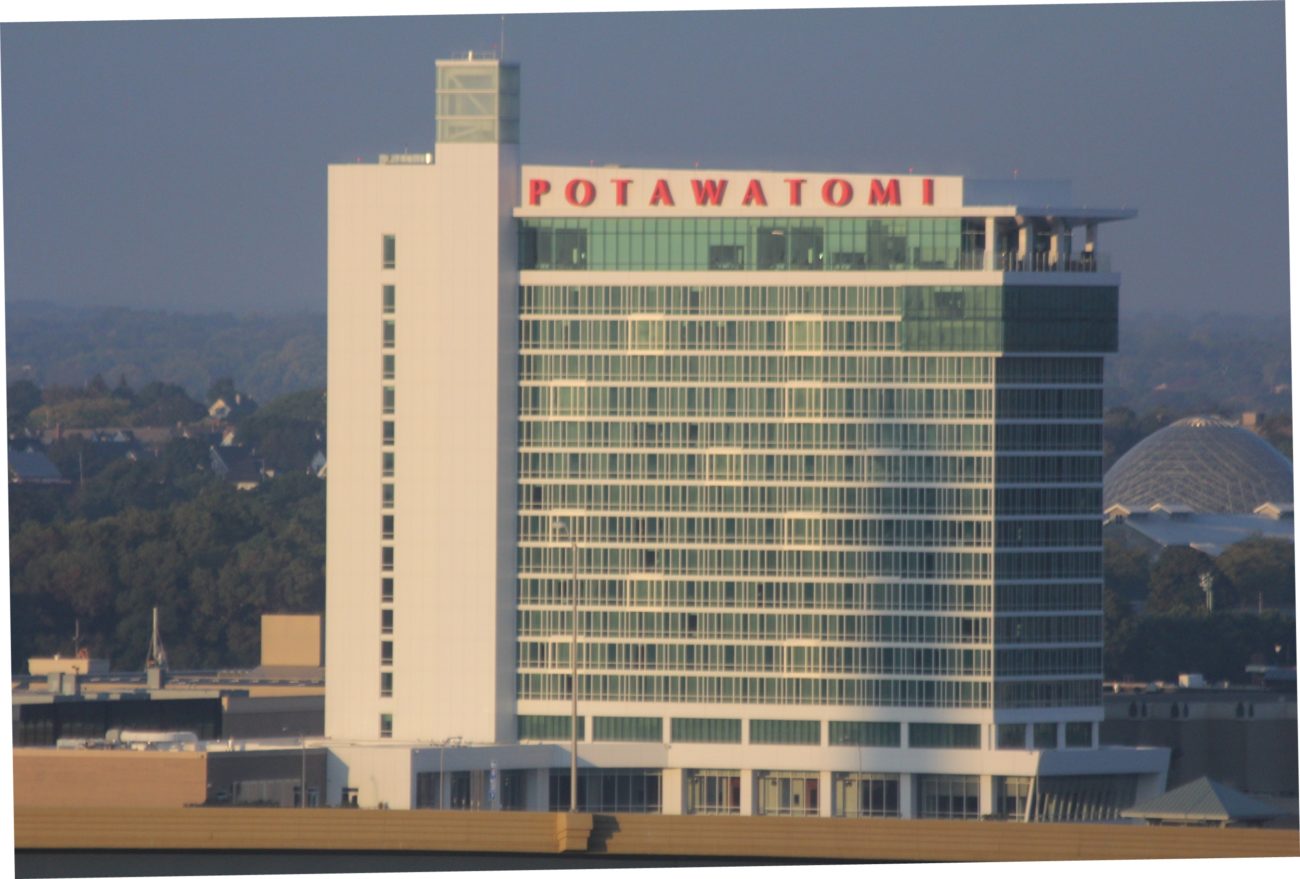
A proposal to legalise online sports betting in Wisconsin via a tribal “hub-and-spoke” system was pulled from the Assembly floor in order to be taken up next year.
A sports betting proposal to take Wisconsin sportsbooks online was pulled from the Assembly floor agenda Wednesday, with eyes cast toward the full legislative session starting in early 2026.
As Wednesday’s Wisconsin Assembly floor session went into closed caucus, Dominic Ortiz, CEO of the Potawatomi Casinos & Hotels, stated on The New Normal podcast that a vote on Assembly Bill 601 would move to the full legislative session in January. Ortiz said the legislative proposal creates a “fair playing field and unites the tribes” as the Sports Betting Alliance argues for a different framework.
“We’re about partnership, not ownership,” Ortiz told The New Normal. “The clear indication from the SBA is if they can’t have their rules, they’re going to come in and burn down the market.”
Assembly Majority Leader Tyler August said the sports betting proposal was pulled from the agenda during a press conference Wednesday morning. He said lawmakers would have approved the bill if they voted. The Senate will not reconvene before the January session.
August sent a memo this week urging support from lawmakers as a road to keeping sports betting revenue in Wisconsin as prediction markets take hold across the US.
“There’s really no rush on this,” August said at a news conference Wednesday. “I had a conversation with a couple of members over the weekend that brought up some points that I hadn’t considered yet, so we’re going to work through those and I expect that we will be voting on it early next year.”
In-person sportsbooks are already legal in Wisconsin, after Governor Tony Evers agreed to tribal compact additions in 2021 allowing sports betting. Evers told UpFront Sunday this week that tribal control of sports betting is “the ultimate goal”.
If passed, the latest proposal would create a “hub-and-spoke system” for online sports betting. It would allow the 11 Wisconsin tribes to partner with sportsbook operators, if the server is on tribal land. A similar setup is how the Seminole tribe in Florida holds a sports betting monopoly for Hard Rock Bet.
Ortiz said the Milwaukee Brewers and Milwaukee Bucks are in full support of the tribal proposal. He also said the push for sports betting expansion is to help raise revenue to offset inflation and rising costs. The Potawatomi are longtime sponsors of the teams.
The bill would require the tribes to renegotiate their gaming compacts with the state. The expansion would also require approval from the federal Bureau of Indian Affairs.
Tribes push to stop prediction markets
Earlier this month, lawmakers began discussing the expansion of sports betting in Wisconsin. Senator Howard Marklein told the Senate Committee on Agriculture and Revenue the proposal would legalise what Wisconsinites are already doing illegally.
Several lawmakers have expressed concerns with legalising additional forms of gambling in Wisconsin.
While the Sports Betting Alliance, made up of major national sportsbook operators, supports expanding sports betting in Wisconsin, it does not agree with the current legislative proposal. A representative from the SBA told the committee that operators would need to send 60% of revenue to the partner tribes under the proposed framework.
The representative pointed to the framework of tribal-commercial partnerships in Michigan as a more positive example.
Ortiz said the recent development of national sportsbook operators such as DraftKings and FanDuel planning to launch prediction markets highlights a potential end-around in the Wisconsin market. Prediction markets operate under the regulation of the Commodity Futures Trading Commission, which allows them to operate nationally.
There are multiple court cases in which state regulators argue that sports event markets violate state gaming laws. There are also tribal lawsuits, including from Wisconsin’s Ho-Chunk Nation, contending prediction markets violate the Indian Gaming Regulatory Act. Regulators have also sent sportsbooks warnings that their licences could be in jeopardy if they offer prediction markets.
“They have indicated and made public statements that they can and will operate prediction markets where sports betting is not legal,” Ortiz said of the major commercial sportsbooks. “Their clear intent is to have ownership of Wisconsin. They’re not here to be our partner.”
