






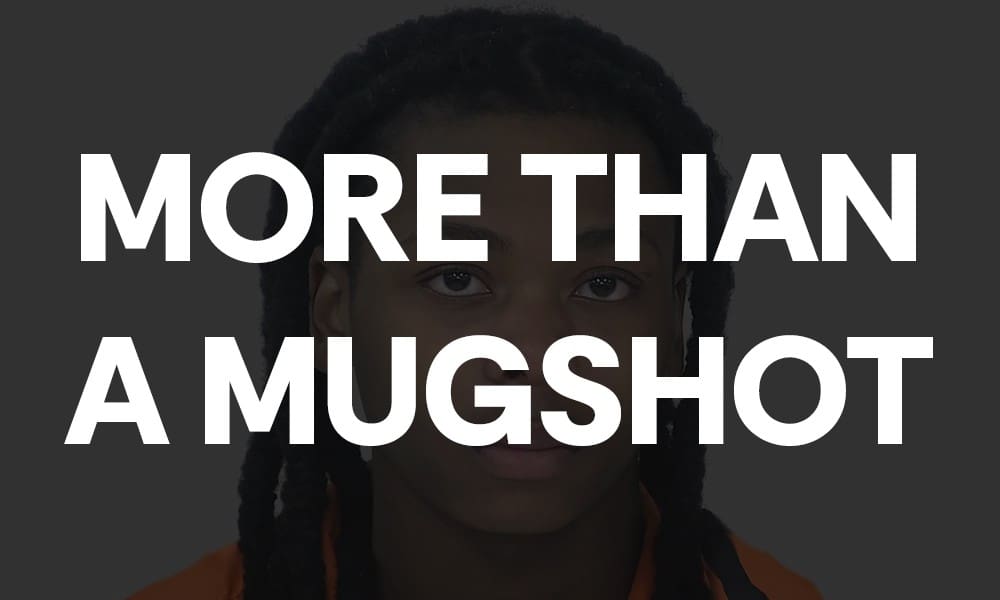
A 17 year old boy. A police chase. A stolen car. A crash. A booking photo that now circulates faster than context ever could.
That is how many people will come to know Taylor Simpson. Not as a teenager. Not as a child. But as a list of charges and a headline waiting to be written. It is easy to stop there. It is harder and more necessary to ask what we do not know.
As The Citizen reported last week, Simpson, a 17 year old from Newnan, was taken into custody in Fayette County after authorities say he was found in possession of a stolen red SUV out of Coweta County. According to police, the incident involved a vehicle pursuit that ended when the SUV crashed. Simpson now faces multiple charges, including reckless driving, speeding, driving without a valid license, theft by receiving stolen property and giving a false name to an officer.
That paragraph alone is enough for many people to make up their minds.
As a Black teenager myself, I have learned that society often decides who you are before you ever get the chance to explain yourself. When young Black boys make mistakes or even commit serious crimes, the conversation quickly shifts from accountability to punishment. From rehabilitation to whether they should be tried as adults. But should teenagers be tried as adults in cases where the public has little to no background information?
Before the police chase, before the crash, before the arrest, there was something else. Simpson had reportedly run away from home prior to the incident. The reason has not been made public. There has been no official explanation or background offered beyond the charges themselves. That absence matters.
Running away is not a decision made in isolation. Teenagers do not just leave home for no reason. They leave because something feels unsafe, unbearable or unresolved. That does not excuse what happened next, but it complicates it. And complication is something our justice system rarely allows young people, especially Black ones.
What caused him to run away?
That question remains unanswered and it should. Not because it justifies stealing a car or fleeing from police, but because it reminds us that this story did not begin with flashing lights and sirens. It began earlier, somewhere we cannot see and maybe somewhere we have not bothered to look.
Public records also leave unanswered questions. It is unclear from available reports whether Simpson was transported to a hospital following the crash. No medical information has been released, and no police report confirming whether he received medical evaluation has been made public. That lack of clarity matters, especially when the person involved is a minor.
Too often teenagers are treated like adults when they fail and like children only when it is convenient. We want them to carry adult consequences without acknowledging that their brains, environments and support systems are still developing. In cases like this, the rush to label a teenager as reckless or criminal ignores the reality that adolescence is already a vulnerable stage of life. One made even more fragile by race, instability and public scrutiny.
This is not about minimizing harm or avoiding responsibility. Accountability matters. Public safety matters. But justice should also leave room for understanding, especially when the person at the center of the story is still legally and developmentally a child.
When teenagers are tried as adults without context, we are not just punishing behavior. We are deciding their future before they have had a chance to grow into it. We are saying one moment defines them forever. For Black teenagers, that decision comes faster and harsher, reinforced by stereotypes that paint us as older, more dangerous and less deserving of grace.
Taylor Simpson is more than a booking number. He is more than a list of statutes. He is a teenager whose story is incomplete. And until we start caring about what happens before the arrest, not just after, we will keep failing kids who need intervention long before they need incarceration.
The real question is not just what he did.
It is whether we are willing to see him as who he still is. A teenager capable of harm, yes, but also capable of change.


