






As the Trump administration pursued a high-stakes deal with Iran to end the war that began in late February, senior Washington officials feared Israel planned to kill Tehran’s top negotiators.
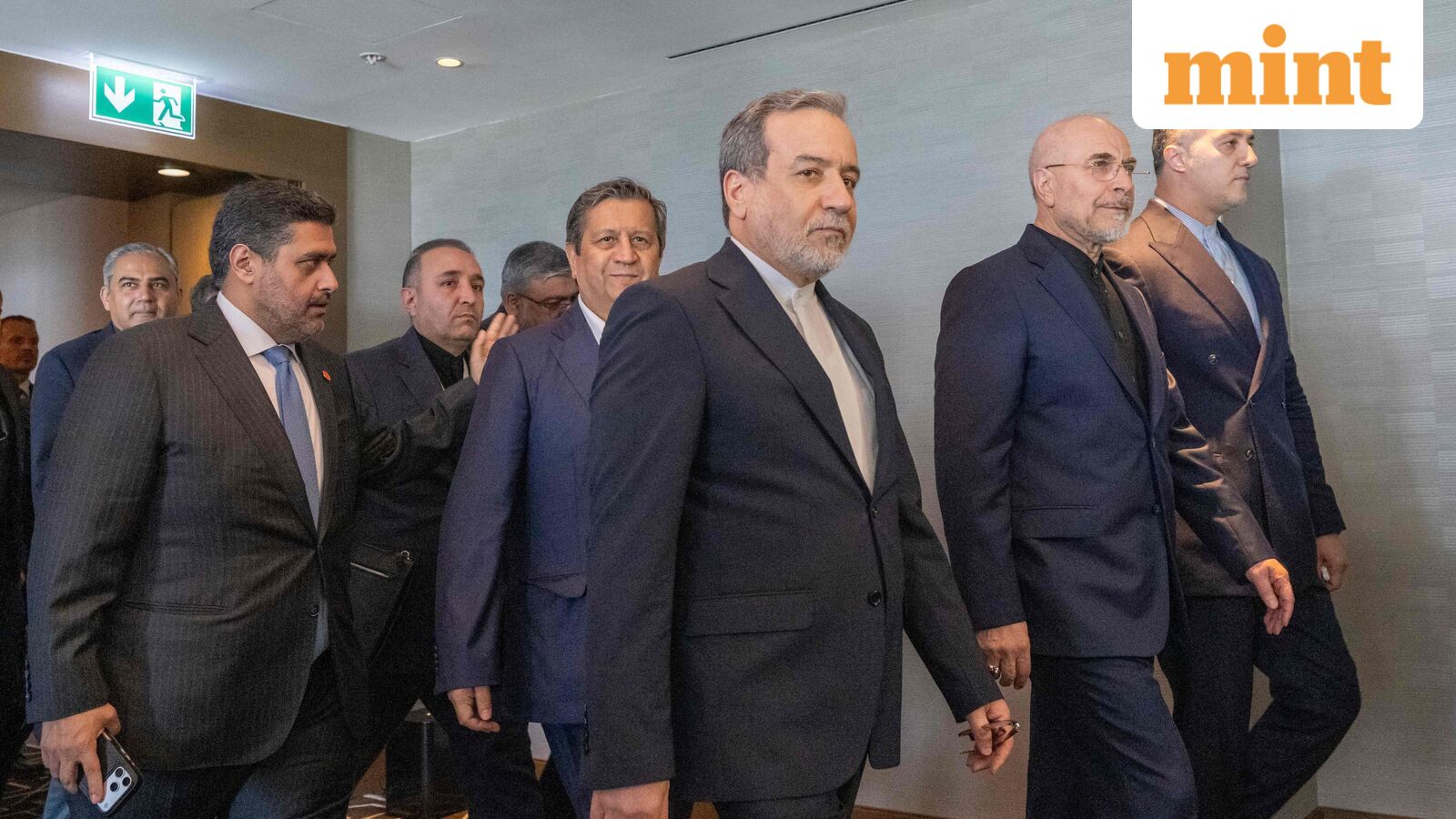
Citing current and former officials, the Washington Post reported that the US strongly opposed killing Tehran’s Foreign Minister Abbas Araghchi and Parliamentary Speaker Mohammad Bagher Ghalibaf, and took the unusual step this spring of using intermediaries to warn Tehran that Israel was planning to assassinate them.
A US official told WaPo, “You kill those folks, and you’re killing the pragmatists.” Another added that back in March, when the Trump administration began exploring diplomatic ways to end the war in Iran, several US officials told Israeli counterparts not to continue killing Tehran’s political leadership.
US-Israel’s strained ties
According to the report, Washington’s decision to intervene and warn Tehran that its top negotiators could be killed highlighted the already-straining ties between the US and Israel and the Trump administration’s restricted influence over the Israeli government.
Aaron David Miller, a former State Department official who has advised both Republican and Democratic administrations, told the publication that, “It shows the divergence of war aims between the US and Israel and the fundamental determination on the part of Israel’s prime minister to undermine any negotiation that the US might conclude.”
The ties between Israel and the United States have been strained ever since the war began on 28 February. Many Iranian political and military leaders, including the country’s former Supreme Leader Ayatollah Ali Khamenei, were killed.
At the beginning of the joint operation, the two allies shared a common goal of regime change in Iran; however, they quickly parted ways after US officials concluded that Tehran’s military and clerical establishment would continue to maintain their grip on power, according to the Washington Post.
According to US officials, cracks between the two allies started to emerge in March after Israel killed Iran’s top national security official, Ali Larijani. Citing an official, the report said, “The turning point wasn’t the assassination of the supreme leader, it was the assassination of Larijani.” He added, “The U.S. was looking for an Iranian official to deal with, and all of a sudden, he was gone.”
Donald Trump slammed Israel’s assassination campaign
Earlier in March this year, US President Donald Trump publicly admitted that Israel’s assassination campaign was creating hindrances to negotiating with the regime. Speaking to reporters at the time, he said, “You know it’s a little tough,” and added, “They’ve wiped out everybody. I don’t want them to be killed.’’
The Iranian parliamentary speaker was nearly killed this year as well when Israel targeted a meeting of senior officials of the Islamic Republic in an underground bunker. He was also among the senior Iranian leaders who were present in a building that the Israeli forces struck in 2025’s 12-day war.
In the months following the US and Israel’s joint operation, both Araghchi and Ghalibaf have been key negotiators for US officials in securing an initial ceasefire in April, which was followed by a 14-point Memorandum of Understanding (MoU) to end the war in June.
Even before Washington agreed to a draft MoU with Tehran, Israeli officials and pro-Israel advocates in Washington criticised the agreement. According to the Washington Post, it closed the door on Benjamin Netanyahu’s goal of regime change in Tehran and paved the way for allowing Iran relief from economic sanctions in exchange for restrictions on its nuclear programme.
Since the war began, ties between Trump and Netanyahu have also soured. The US president has rebuked Netanyahu on several occasions and accused him of jeopardising peace talks.
About the Author
Swati Gandhi
Swati Gandhi is a digital journalist with over four years of experience, specialising in international and geopolitical issues. Her work focuses on foreign policy, global power shifts, and the political and economic forces shaping international relations, with a particular emphasis on how global developments affect India. She approaches journalism with a strong belief in context-driven reporting, aiming to break down complex global events into clear, accessible narratives for a wide readership.
Previously, Swati has worked at Business Standard, where she covered a range of beats including national affairs, politics, and business. This diverse newsroom experience helped her build a strong grounding in reporting, while also strengthening her ability to work across both breaking news and in-depth explanatory stories. Covering multiple beats early in her career has helped her be informed about her current work, allowing her to connect domestic developments with wider international trends.
At Live Mint, she focuses on international and geopolitical issues through a business and economic lens, examining how global political developments, foreign policy decisions, and power shifts impact markets, industries, and India’s strategic and economic interests.
She holds a Bachelor’s degree in English (Honours) from the University of Delhi and a Master’s degree in Journalism and Mass Communication from Guru Gobind Singh Indraprastha University. Her academic training has shaped her emphasis on precision, analytical rigour, and clarity in writing. Her interests include global political economy and the intersection of geopolitics with business.
Outside work, Swati focuses on exploring her passion and love for food. From fancy cafes to street spots, Swati explores food like a true foodie.


