



The return of fighting between the United States and Iran threatens to extend the global energy crisis, the International Energy Agency has warned.
The risk that the resumption of hostilities could scupper hopes of a swift recovery in energy markets was flagged by the United Nations agency on Friday.
Recommended Stories
list of 3 items
- list 1 of 3How Strait of Hormuz dispute led to latest US-Iran cycle of fighting
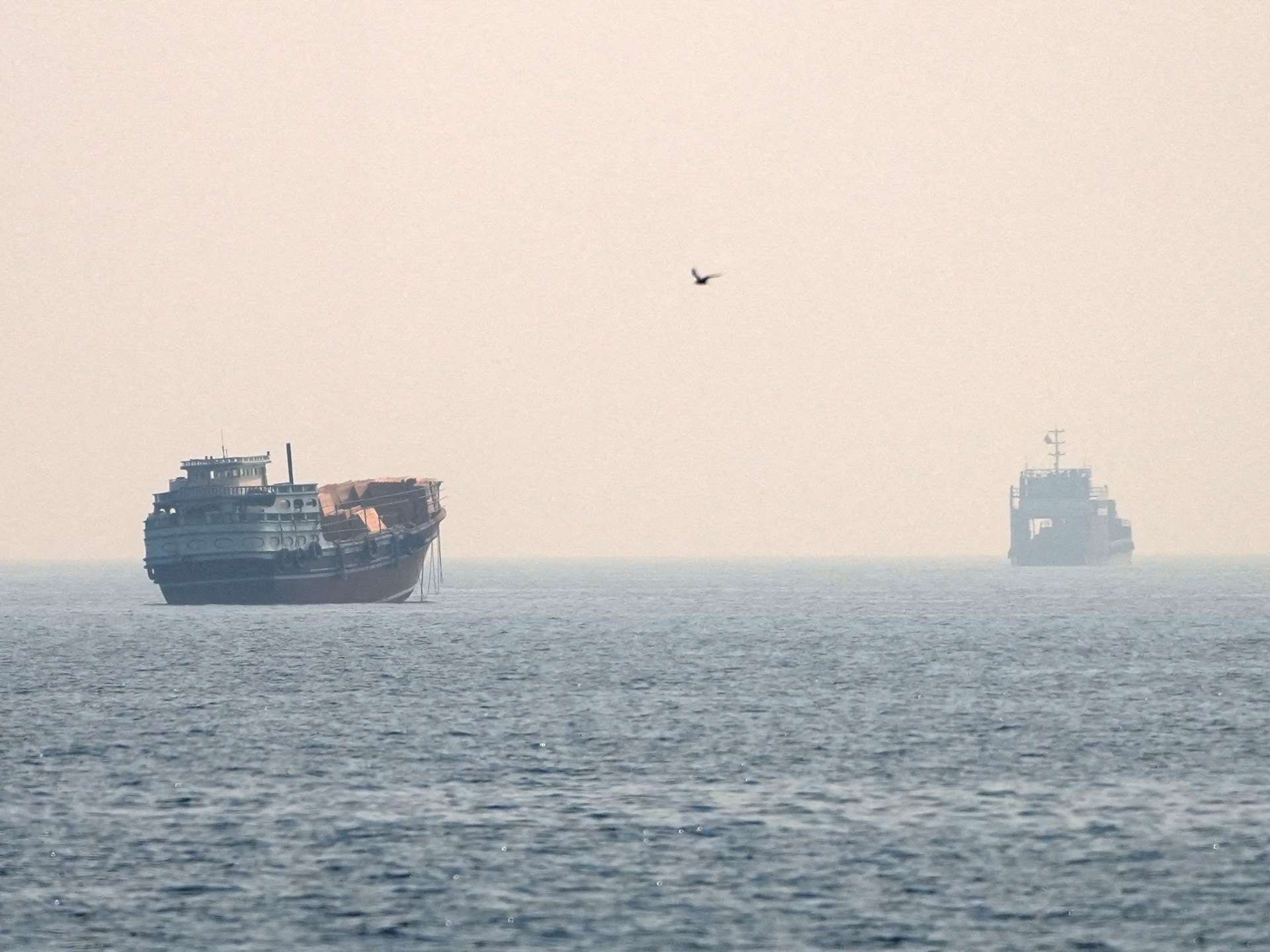
- list 2 of 3Strait of Hormuz traffic plunges as US, Iran resume fighting
- list 3 of 3The US is building a new pressure architecture against Iran
end of list
The warning came as a lull in action from US and Iranian forces appeared to pave the way for efforts to revive diplomacy, although sources cautioned that the US military remains ready to resume attacks.
World oil demand is on track to fall this year for the first time since 2020, the IEA said in its latest monthly oil market report, as the conflict continues to disrupt production and exports across the Middle East.
A recovery had been under way on the strength of last month’s US-Iran memorandum of understanding, the agency said, but it cautioned that renewed escalation could complicate the outlook further.
The latest round of fighting this week was triggered by rival interpretations of provisions governing the Strait of Hormuz in the MoU. The waterway, before the conflict erupted in April with US and Israeli strikes on Iran, carried roughly a fifth of the world’s oil and liquefied natural gas exports.
The IEA reported that the effective closure of Hormuz had cut as much as 14 million barrels per day (bpd) of crude oil flows. The fuel shortage and increase in prices have hit the global economy hard.
The UN agency said that following the agreed MoU and reopening of the strait, global oil supply rose by 4.1 million bpd in June, although supply remained 9.4 million bpd below pre-war levels.
Based on an assumption that the strait would return to full operation, the IEA had forecast a 4.62 million bpd surplus in global supply in 2027, compared with an 860,000 bpd deficit in 2026.
However, with the fighting resuming, shipping through the strait has once more ground to a halt.
Despite the disruption, oil prices held broadly steady. Brent crude stood at $76.37 a barrel in early Friday trading, little changed from Thursday’s close, though up more than $4 from a week earlier.
Analysts said the relative calm reflected market confidence that the situation would stabilise, even as tightening inventories point to further upward pressure on prices in the coming weeks.
Reports out of the US quoted sources saying that a lull in attacks on Thursday and Friday reflected ongoing efforts behind the scenes to revive diplomacy and reinstate the ceasefire.
Unnamed US sources reportedly told CNN that Washington was carrying out strikes and then pausing in order to avoid escalation and let diplomacy work.
The claim matches the words of a US official who earlier told Al Jazeera that Washington remains committed to negotiations with Tehran and that technical talks for a lasting peace deal will continue.
However, the CNN source also warned that the US military was fully prepared to launch new attacks if necessary.
Regional concerns
Sources in the Middle East confirmed to CNN that Pakistan and Qatar are working to try to bring the US and Iran back to the negotiating table.
That was backed up by the dpa news agency, which quoted sources in Islamabad saying that the Iranian side has asked Pakistan to signal to the US its willingness to negotiate.
Discussions were reported to have taken place through various channels, including a meeting between Iranian Foreign Minister Abbas Araghchi and Pakistan’s Chief of Army Staff Asim Munir that lasted late into Thursday night.
At the same time, oil-producing states in the region, many of which have also been targeted by Iranian attacks this week, called on Friday for restraint.
Egypt and Gulf states held phone calls on Friday and said they were urging all parties to contain regional tensions and prevent a wider conflict, adding to the chorus of condemnation that followed Iranian strikes on Bahrain, Kuwait and Jordan.
The Gulf Cooperation Council and individual member states have repeatedly pressed Washington and Tehran to preserve the diplomatic gains made under last month’s agreement even as both sides traded fire.
The United Nations has also voiced alarm, warning that the renewed clashes risk unravelling diplomatic progress and could carry catastrophic consequences for the region and the global economy if they escalate into full-scale war.
The IEA’s forecast continues to rest on the assumption that a ceasefire holds and that Hormuz traffic gradually reopens. Should that assumption fail to hold, the agency’s outlook for a rebalancing of global oil supply and demand next year would come under renewed strain.


