







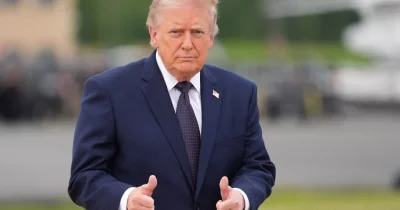
President Trump used a Cabinet meeting to make his position on Iran unmistakably clear: no sanctions relief, no release of frozen funds, not until Tehran changes course. The declaration lands at a moment when the US is simultaneously negotiating with Iran and systematically dismantling the country’s ability to use crypto as a sanctions escape hatch.
The crypto enforcement squeeze
The US Treasury sanctioned several Iran-linked cryptocurrency wallets on April 24, freezing approximately $344 million in USDT. Tether cooperated with the action, which shouldn’t surprise anyone who’s watched the stablecoin issuer increasingly align itself with US law enforcement.
That $344 million freeze wasn’t an isolated event. It’s part of a broader campaign that has led to the confiscation of around $500 million in Iranian-linked digital assets. To put that in perspective, Iran is estimated to control roughly $7.7 billion in cryptocurrency holdings as of mid-2026, with significant contributions from the Islamic Revolutionary Guard Corps.
In English: the US has clawed back about 6.5% of Iran’s estimated crypto stash.
The enforcement net has also stretched internationally. Back in February, the Treasury sanctioned UK-based crypto exchanges Zedcex and Zedxion for facilitating transactions tied to IRGC-related funds.
Negotiations continue, but relief stays off the table
Negotiations between the US and Iran have been ongoing, with a proposed 60-day timeline floated in May for Iran to reduce its enriched uranium stockpile of approximately 440 kg. Sanctions relief would be contingent on compliance with that timeline.
Trump’s comments make clear that compliance isn’t being assumed. The president emphasized that the US will retain control of Iranian funds until behavioral change actually occurs. A fragile ceasefire currently frames the broader negotiations, with sanctions relief and asset repatriation ranking among the most contentious items on the agenda.
What this means for crypto markets
Crypto markets have shown they react to geopolitical developments around Iran. Bitcoin prices have risen following reports of negotiated deals, suggesting that traders are pricing in the possibility of diplomatic breakthroughs.
For stablecoin markets specifically, Tether’s cooperation with US enforcement raises questions about the future of USDT as a tool for sanctions circumvention. When the largest stablecoin issuer actively freezes hundreds of millions at Treasury’s request, it narrows the options for anyone trying to move value outside the traditional financial system’s watchful eye.
The $7.7 billion figure for Iran’s crypto holdings is worth sitting with. That’s a meaningful sum in the context of mid-cap crypto markets, and aggressive US seizure efforts could create unpredictable sell pressure if confiscated assets are eventually liquidated. A $500 million enforcement haul gives Washington a growing inventory to manage.
Disclosure: This article was edited by Editorial Team. For more information on how we create and review content, see our Editorial Policy.


