







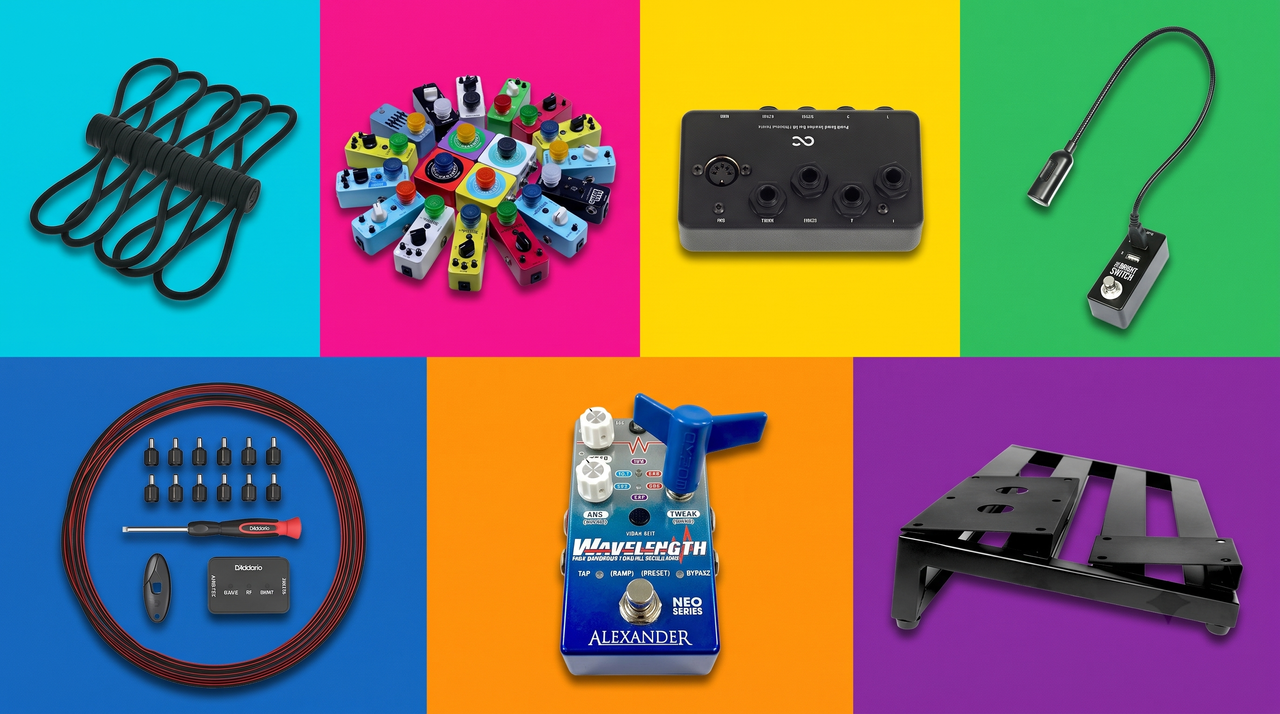

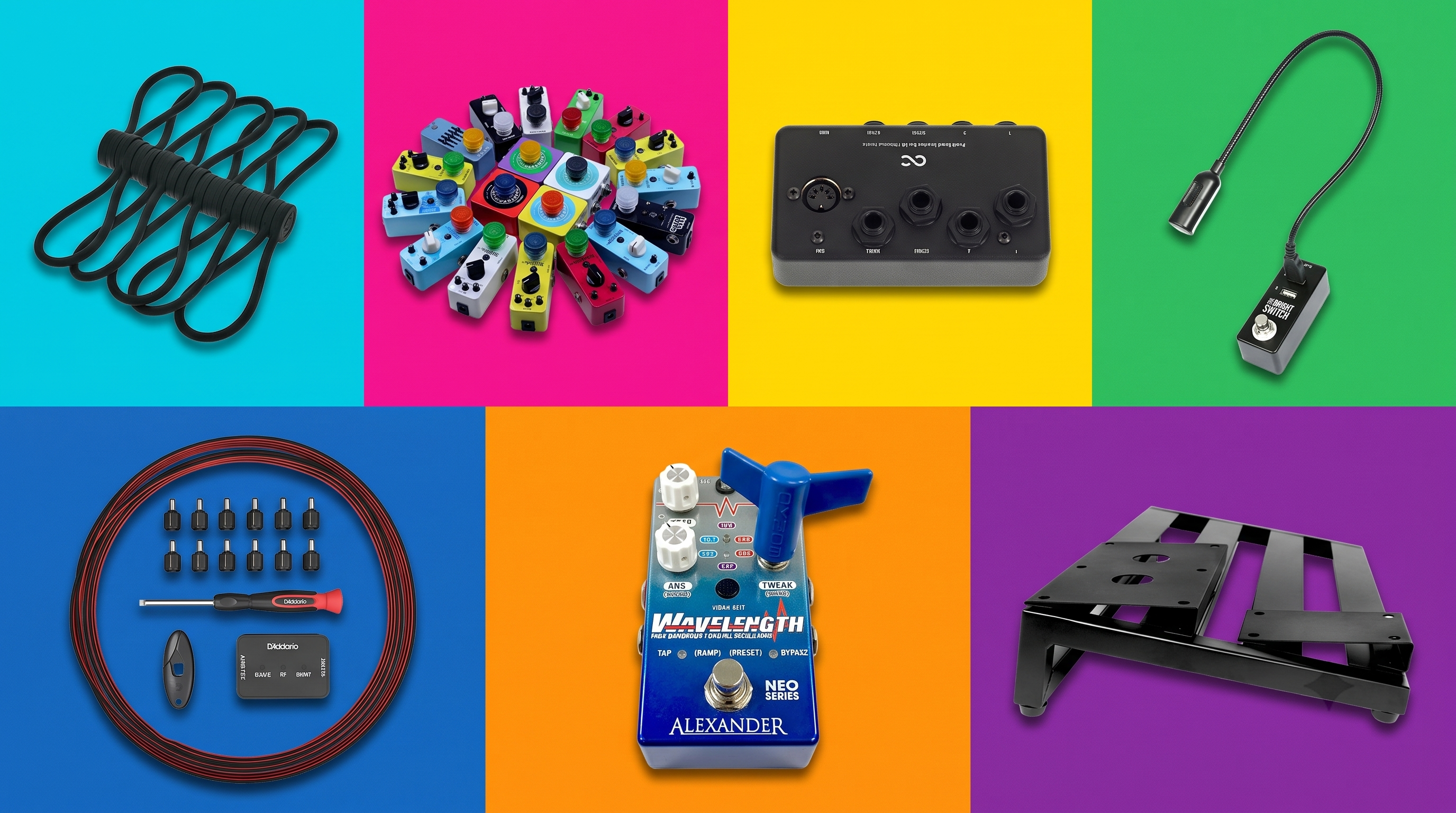
Pedals Week 2026: There comes a time in every guitarist’s life when, really, you have everything you need. No stone unturned on the amp front; no room on the wall for more guitars; no glaring holes in the pedal chain. How on Earth do you feed your GAS (Gear Acquisition Syndrome) if you already have everything? Enter: the pedalboard accessory.
We’re looking beyond the addictive collectability of the pedal itself, towards something a little more… practical. Even with your ideal effects chain in situ, your pedalboard might not be quite at its best, whether due to inefficiency or overall scruffiness. You need accessories.
These items are not always the most glamorous of pedalboard accoutrements, nor are they always the most thrilling of guitar-related purchases. Between them, though, they represent a quiet and constant improvement of a pedalboard in progress, making it easier for you to play, to maintain and to evolve your signal chain whether you’re a home musician or a gigging pro. And they might temper that GAS a little, too. Here’s a handful of ideas for plussing up your pedalboard.
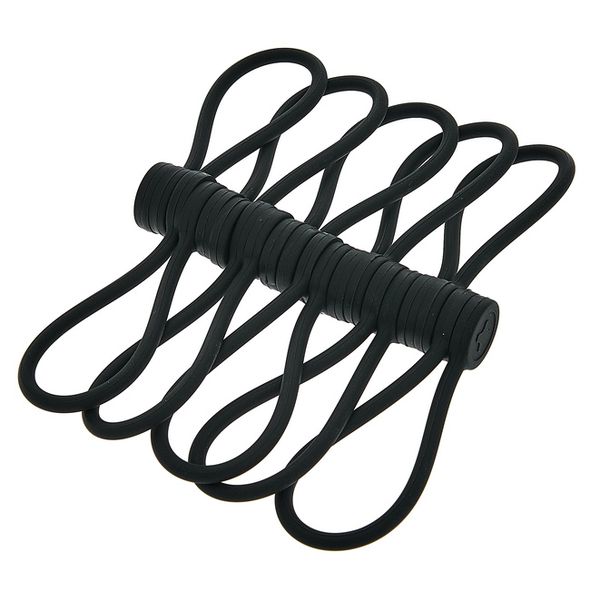

1. Rockboard
MagneTie Cable Ties
It’s all too easy to think of your pedalboard as a fixed thing: to settle on a fun, useful or otherwise gratifying signal chain, to get all those stray power cables in some semblance of order, and to lock everything down with Velcro and plastic zip ties. But such zip ties are conventionally single use. Pedalboards change, and the ocean is dying.
Thankfully, Rockboard has innovated here, with some magnet-clasp cable ties that can be used and reused to your heart’s content. With these MagneTie cable ties, trial and error with pedal layouts is so much simpler – as is keeping power cables out of the way. These are good to have in your gig bag anyway, to tidy up coiled jack cables or bundle up some spare patch cables.
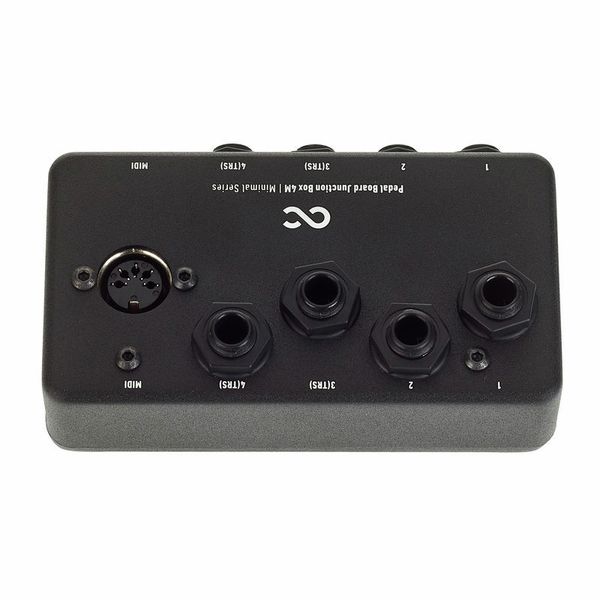
2. One Control
Pedalboard Patchbay 4M
With the acknowledgement that a pedalboard is never truly finished – and that some new, thrilling effect or multi-effects pedal is bound to come along – why not build modularity straight into your pedalboard? Make space for the One Control Pedalboard Patchbay 4M, and you can.
The One Control 4M is a nifty little passive through-put device, which enables you to do a number of things with your cable routing. You can use it as a hub for pedalboard inputs and outputs, or to change the order of certain pedals or pedalboard stages, or even add new pedals into your chain. There’s also a MIDI throughput for receiving an external clock.

3. D’Addario
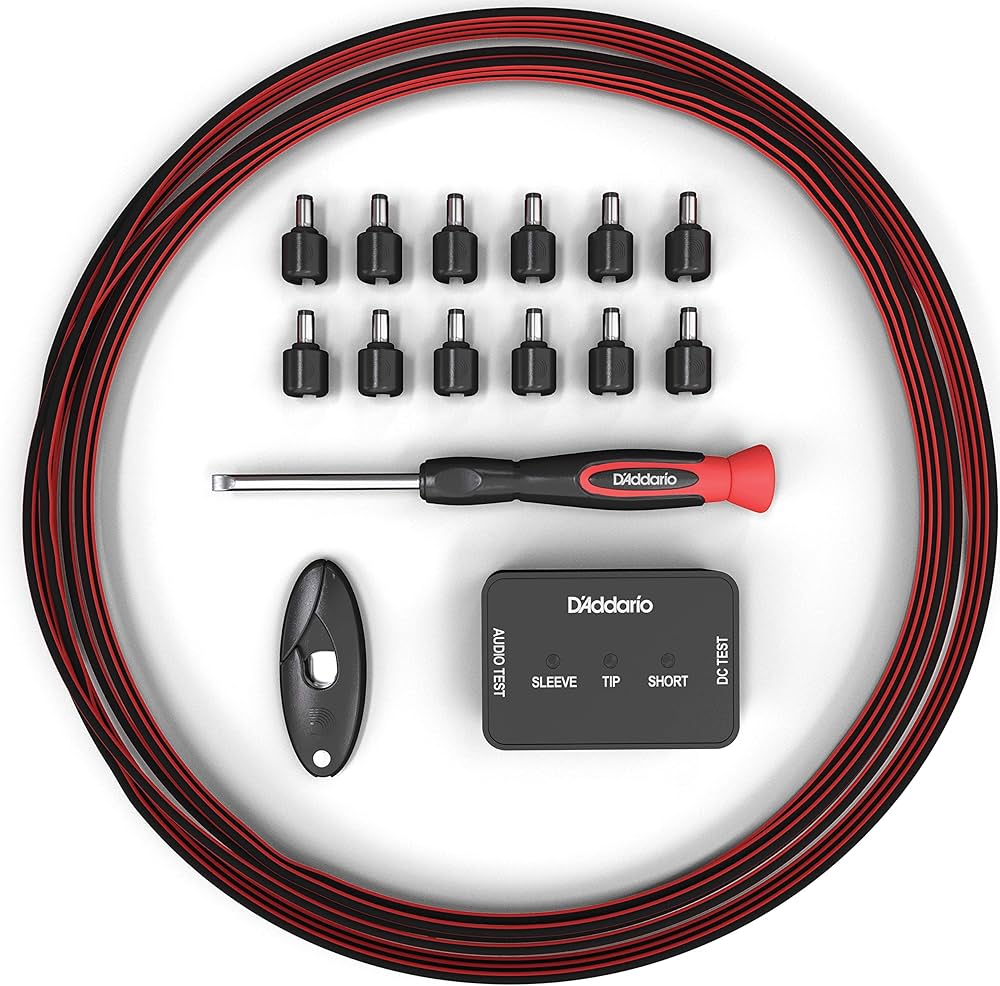
Pedalboard Cable Kit
And what of the cables themselves? Most guitarists connect up their pedalboard with pre-made, fixed-length patch cables – which often becomes an issue when you get your pedal placement just right, but the distance between certain pedals is just too far for your patch cable collection.
For a tidier layout, and for no compromise on where you put your pedals, you want to make your own. And if learning to solder doesn’t spark joy for you, there’s D’Addario’s solder-free patch cable kit. The kit provides 10 feet of cable, a cable cutter, a screwdriver and ten angled screw-on jacks, for foolproof DIY patch-cablery.

4. Rock Stock Pedals
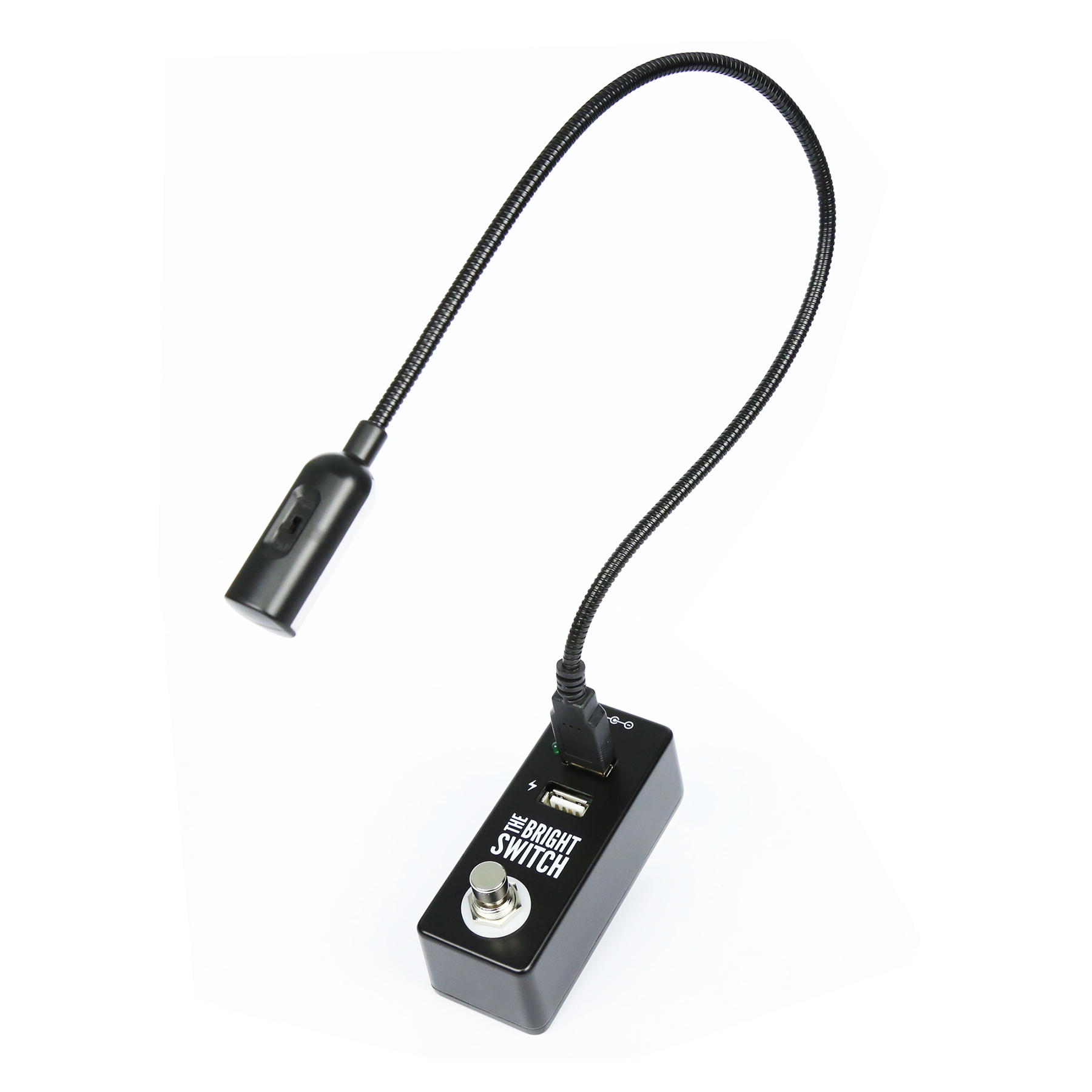
The Bright Switch
Gig venues are dark places, and stage lights – particularly when strobing or in full wash – don’t make things much easier. Whether you need to see which pedal parameters you’re changing between songs, or just want a foolproof way to troubleshoot issues, you’ll benefit from a light of your own.
The Bright Switch from Rock Stock Pedals is an elegant solution, being a 9VDC pedal-shaped hub into which you plug an articulable USB lamp. Not only does it supply a (quite literally) illuminating goose-neck lamp for your pedalboard, but the Bright Switch also supplies clean 5VDC from a secondary USB port, for charging everything from your phone to your IEM rig.

5. Pedaltrain
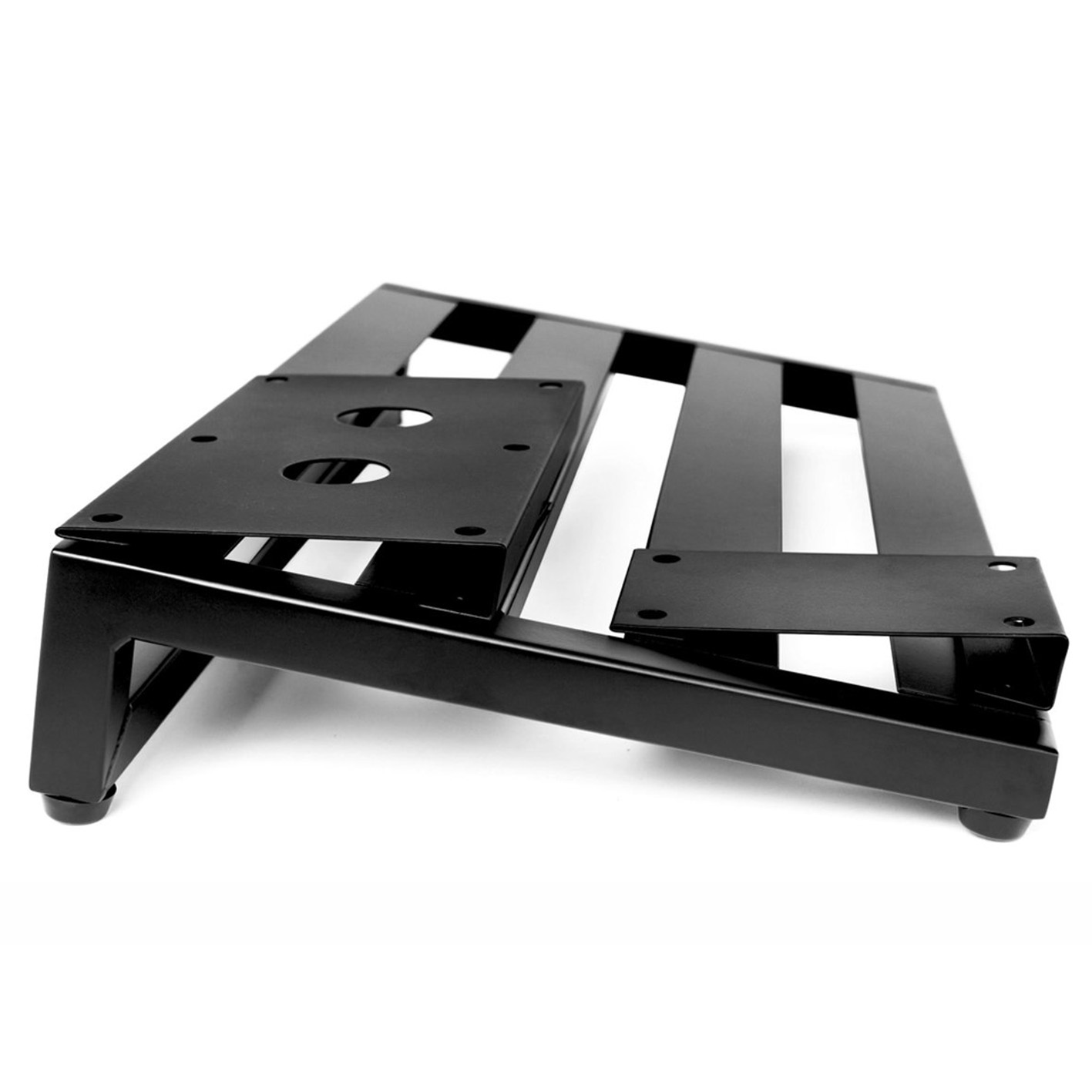
Pedal Booster 3 Pack Kit
Even the most aggressively angled of pedalboards can be difficult to fully control when you’re playing. Inevitably, those pedals at the back become difficult to engage without knocking the knobs on the pedals in front, or risking an untoward stumble. Only Angus Young needs to spend that much time hopping on one leg, and he’s not trying to bank up on his Strymon BigSky while doing it.
If you’re a Pedaltrain owner, you might get some mileage out of this pedal booster multipack, a set of different-sized risers that lift up the footswitch end of pedals mounted to them. This makes it easier to engage pedals in the top row, or access modifier switches without mussing up the parameters of the pedals beneath.
6. Mooer
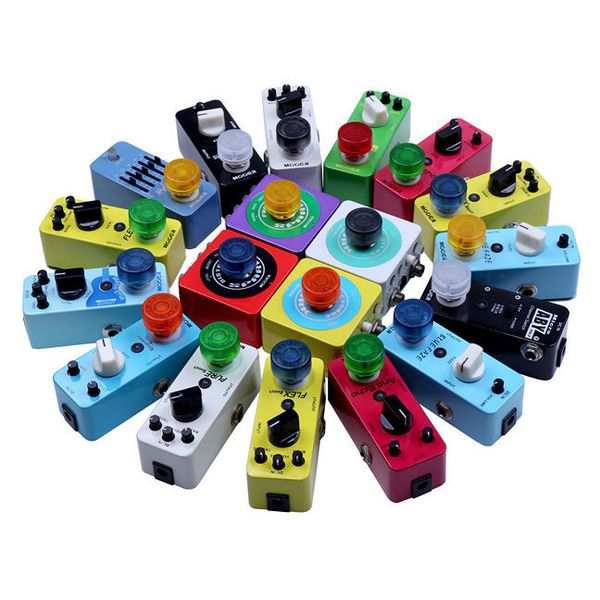
Candy Footswitch Topper Mix
If you’re a frequent flyer as an in-studio session musician, or you primarily make music from a home studio setup, you likely spend an outsized amount of time operating your pedalboard shoelessly. And aren’t some of those pedal footswitches awful stubborn under your dainty feet?
Luckily, there’s an accessory for that. You can preserve the sanctity of those grippers with the humble footswitch topper – a plastic shroud for your common-or-garden 3DPT footswitches, that increases their surface area, hence making it far easier to engage and disengage pedals without shoes on. Mooer’s Candy footswitch topper set are alluringly multicoloured, for better differentiation of switches in dark environments.

7. Barefoot Buttons
Wingman Foot Control Knob
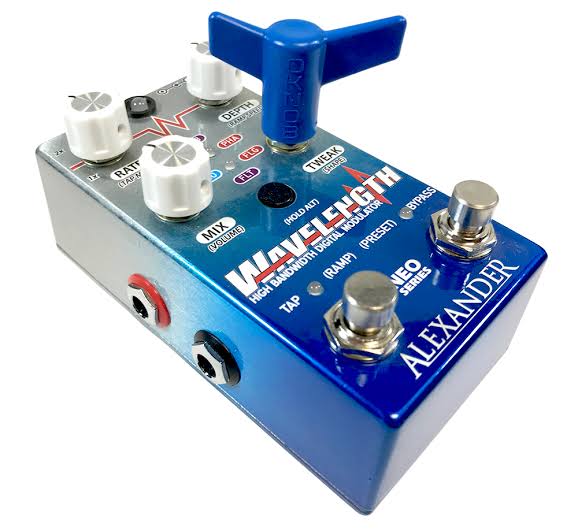
Speaking of foot-oriented controls, how many of us have tried to awkwardly tweak a pedal parameter with an outstretched, soon-to-cramp big toe, or the outer edge of a trembling boot. It’s not a reassuring manoeuvre, it’s not precise, and it’s certainly not much fun. If those parameters are in desperate need of tweakage while you’re playing, then Barefoot Buttons has the answer for you, in its Wingman foot control knob.
The Wingman fully replaces the knob for a given parameter on a given pedal, giving you a wide and easily-nudged surface to make for more accurate foot control. That wingnut shape also clears other knobs on the pedal, so you reduce the risk of knocking other parameters out of whack.


