






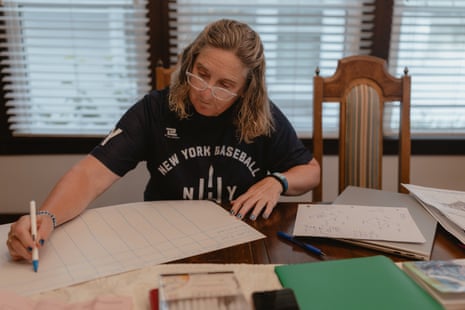
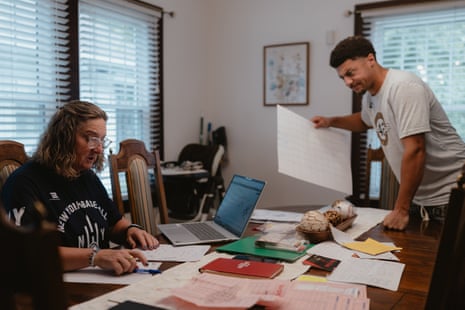
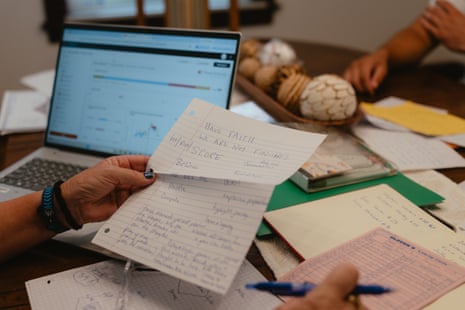
On the morning of 14 September, Rocky Henley sat at her rental home’s dining room table amid scattered rulebooks, colorful markers and graph paper. The New York Heights manager drew a chart on a large poster – her method of sketching plays for the evening’s playoff game. Her assistant manager, Jackson, trudged in from the kitchen in flannel pajama pants and a Heights hoodie and watched her work. He also happens to be her son.




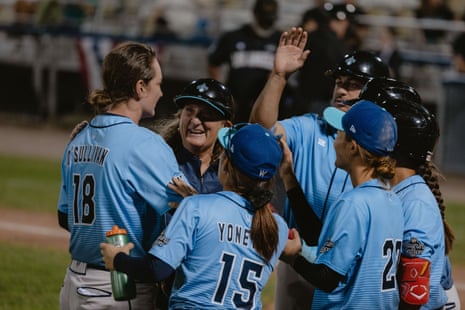
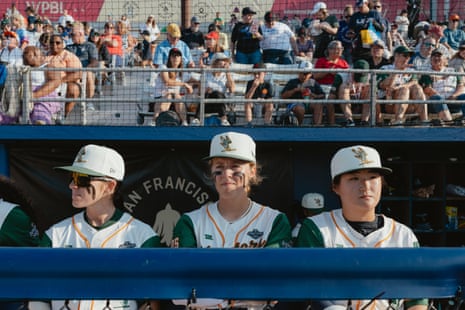
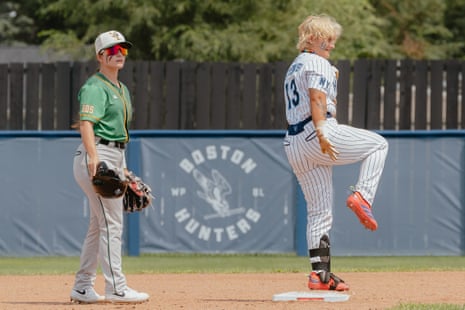
The Women’s Pro Baseball League (WPBL) is the first league of its kind in 70 years. Players hailed from across the US and 11 different countries to play for four teams: the Heights, Boston Hunters, San Francisco Firebells and Los Angeles Queens. While each team’s namesake city was selected for their market value and reputations for sports fandom, the eight-week inaugural season was played in entirety in Springfield, Illinois.



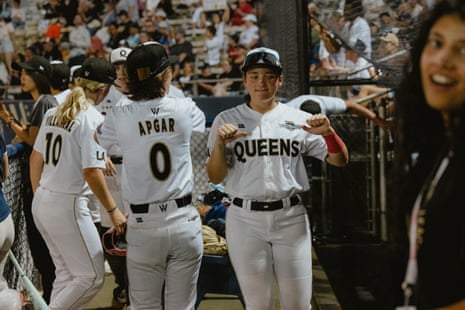
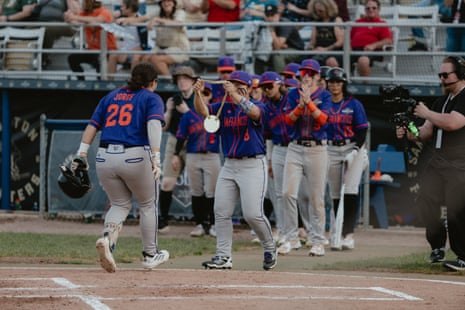
The inaugural season of the WPBL marked a pivotal moment in the women’s sports history books. The players, coaches and crew fashioned the paper, the pen and the ink to write this new chapter.
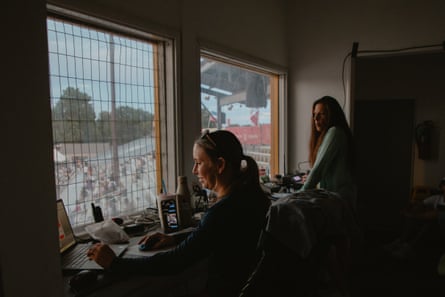
The broadcast producer consulted on merchandise stock. Catchers doubled as assistant coaches. The league doctors taught and studied at the local university.


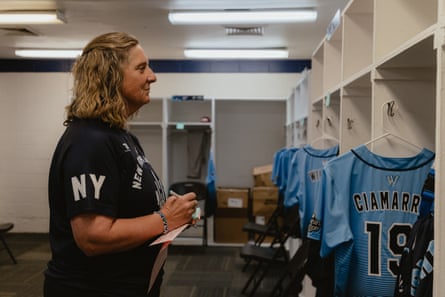
Before her players arrived for games at Robin Roberts Stadium, Rocky Henley would consult a list of adjectives scribbled on a piece of notepad paper, crossing out repetitions and racking her brain for synonyms. Each Heights player received two Post-it notes on their locker: a green Post-it with a mantra they needed to keep in mind during the game – “stamina,” “determination” and “spirit”, to name a few examples – and a pink one to highlight an adjective reflective of their general personalities – such as “comical”, “ridiculous” or “fun!”


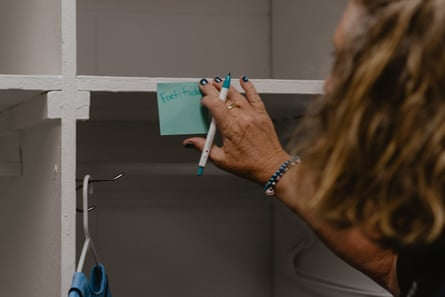
Most of the players balanced the WPBL season with schoolwork or second jobs. Days outside of games consisted largely of practice – often at the local YMCA, where many of the players bought memberships for the summer.
Addisyn Baird, the youngest player in the league, is long accustomed to multitasking. Baird, 18, was called up to play with the LA Queens in late August, just weeks before she was set to start her senior fall semester of high school at the Hill School in Pennsylvania. She juggled Queens games with AP Psych assignments, hockey practice, babysitting and being scouted for colleges. She has spent years navigating the typically male-dominated world of baseball; her father Travis was once removed as head coach of the local youth team for allowing his daughter to play alongside the boys.
“I was kind of used to being the only girl,” she says. “But I mean, you get used to the stares, you get used to the eyes on you. At that point, it’s just all the time.”

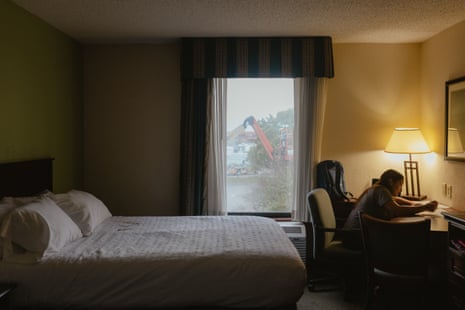
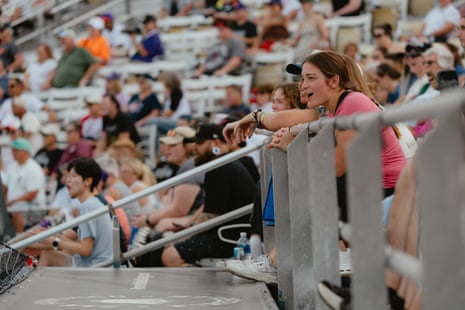
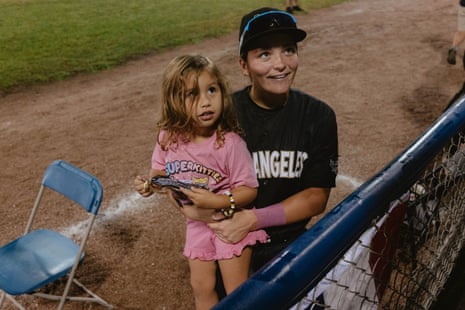

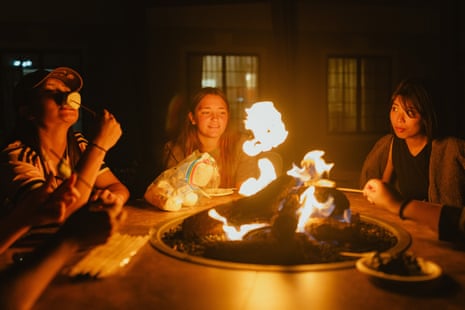
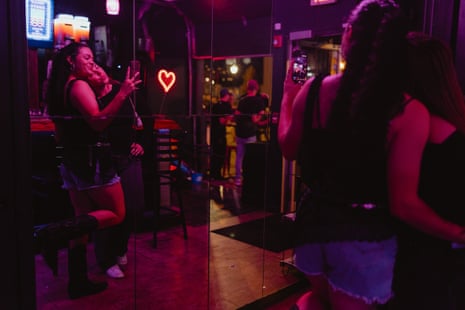
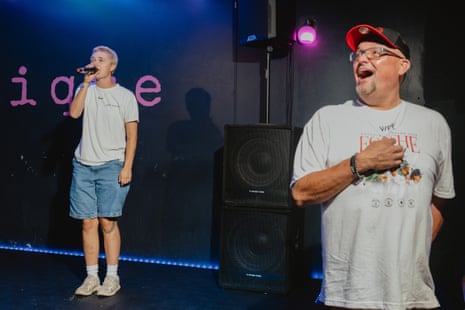
While young players like Baird were accustomed to game-time pressure and their roles as pioneers of women in sports, adjusting to life alongside dozens of other fellow athletes in a small city was its own unique journey. Many tried to absorb Illinois culture as much as possible. The Hunters’ Ticara Geldenhuis, who normally lives full-time near Sydney, Australia, enjoyed swimming at the local lake, playing with teammates at the local golf course or day tripping to Chicago. On game nights, whether win or lose, players often frequented the bars in town afterward to play pool or sing karaoke.
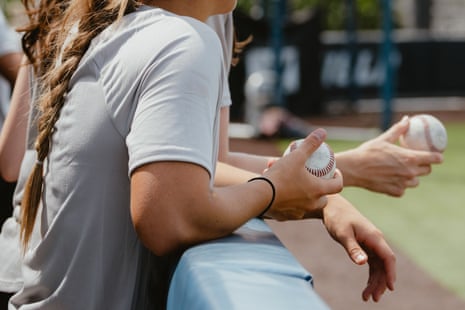


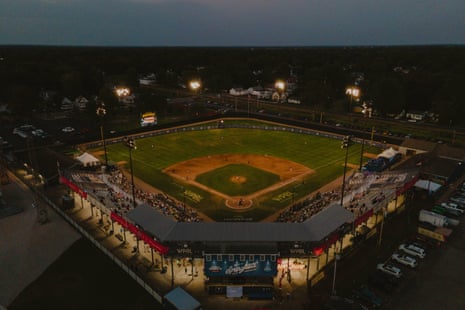
The Post-It notes and gameplans Henley spent that morning preparing did not deliver a win that night. The LA Queens defeated the Heights 15-11, eliminating New York from the playoffs.
Two days later, the Queens would beat the Fireballs in Game 1 of the WPBL Championship Series, en route to becoming the league’s inaugural champions. Rocky and Jackson were there in the bleachers watching with their players, inspecting every play with sharp attention and already taking notes for next season.


