


Hello, strong>Bright Side,
I have been in my stepdaughter’s life since she was 7. Her bio mom is around, but she only visits about twice a year and isn’t involved in the day-to-day stuff. So, for 9 years, I’ve done basically everything.
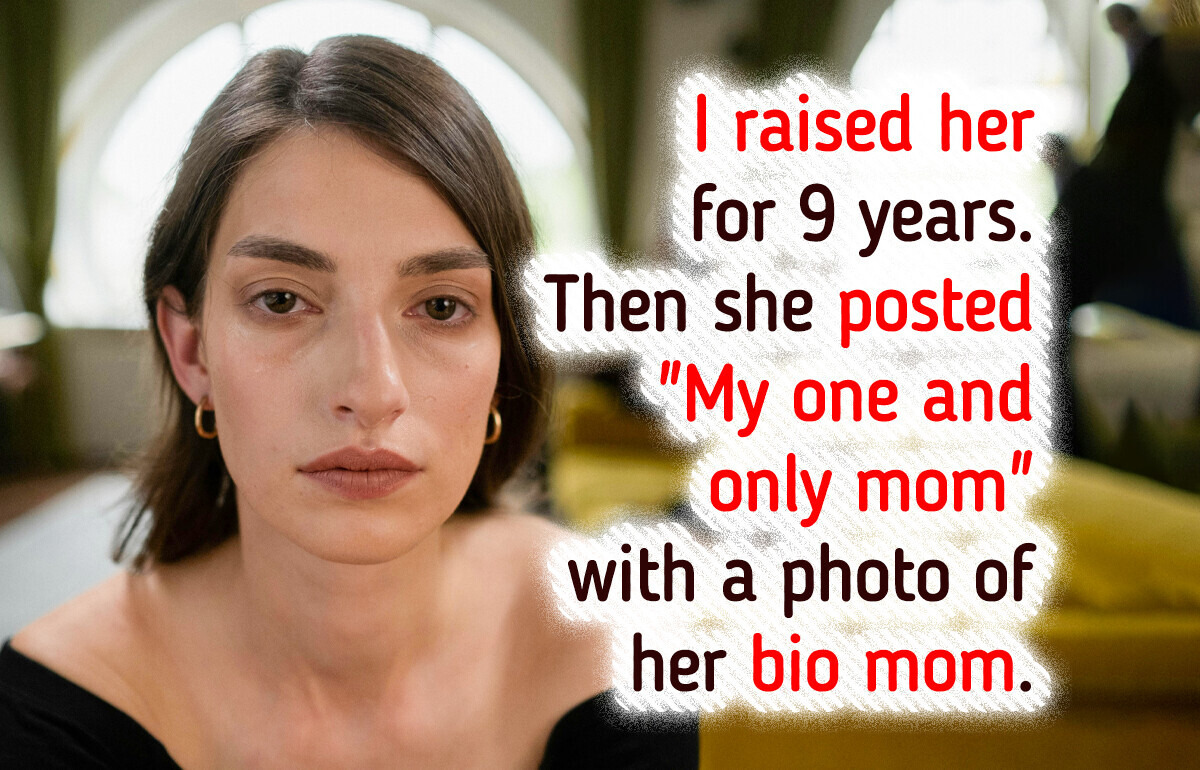
This past Mother’s Day, she posted a photo of her bio mom with the caption, “My one and only mom.” I brought it up, and she snapped, “You’re not my mom, you’re just Dad’s wife!” I smiled and said, “Okay.”
From that moment on, I went into “strict boundaries” mode. I stopped managing her life. I stopped checking her portal, I stopped nagging her about chores, and I stopped doing her laundry or meal prepping for her.
A week later, she came home in a total panic. She realized she had completely missed a major college application deadline. She started screaming at me, “Why didn’t you remind me? You knew this was due! I missed it!”
I stayed calm and told her, “You said I was just Dad’s wife. Wives don’t manage their college applications. That’s what moms do.”
She just stared at me. Yeah, I didn’t want to fight her for a title she didn’t want to give me; I just decided to show her what her life actually looked like without a “mom” in the house.
After some time, she eventually came to me and said, “I didn’t know you did all that stuff.” I told her, “I know you didn’t. That’s the problem.” Since then, she hasn’t called me “just Dad’s wife” again. We’re all good now. BUT
My husband thinks I was a bit too harsh in letting her miss a college deadline, but I feel like she needed a reality check. Did she?
Loren
Hello, Loren,
Blended families are complicated. One of the most common struggles is exactly this: who is what to whom?
What your stepdaughter said clearly hurt. But many teenagers don’t fully see how much is being managed for them behind the scenes. At the same time, mothers—and the idea of “mom”—are deeply important to most of us.
It’s natural for a girl to want to connect with her biological mother, especially in a public way. That instinct doesn’t erase your role, but it does help explain why she acted the way she did.
Your reaction wasn’t explosive. You didn’t argue or punish her directly. But here’s the important distinction: teaching a lesson and protecting the future are not the same goal.
Missing a college deadline can carry real consequences. If the situation were fixable, then this might have been a strong learning moment. If it wasn’t, the price of the lesson might have been high. Teenagers are still learning how to plan ahead and think long-term, so sometimes the impact of these moments lands harder than expected.
That said, something meaningful happened. She realized how much you actually do. She came back and acknowledged it. Many adults only understand the mental load in a household once it’s gone—and in your case, that realization may have opened the door to more respect going forward.
Good luck moving forward,
Bright Side