

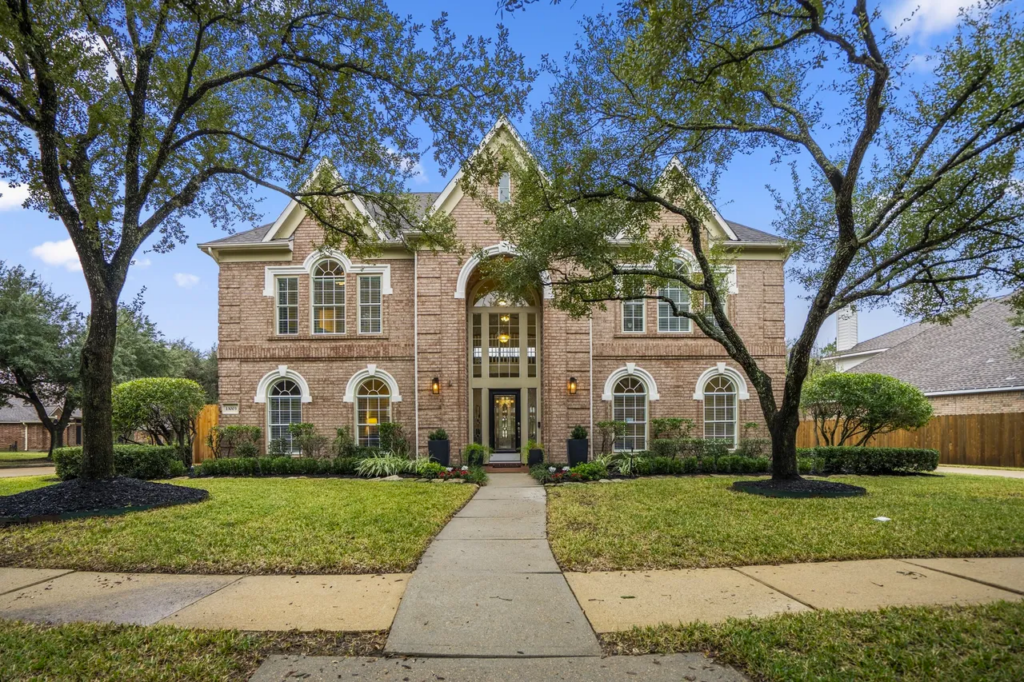
Most for Your Money Metro of 2025
Where Buyers Got the Most Space for the Price
Affordability took on renewed importance in 2025. Higher mortgage rates and stretched budgets pushed many buyers to focus less on chasing the fastest-moving markets and more on maximizing what their housing dollar could buy. While the national median price per square foot averaged $229 from January through November, several large metros consistently delivered more space at significantly lower costs.
Measured by median price per square foot alongside typical home size, these markets stood out in 2025 for offering some of the best value among major U.S. metros.
| Metro |
Median Listing Price Per Square Foot 2025 |
| Houston-Pasadena-The Woodlands, TX |
$174 |
| San Antonio-New Braunfels, TX |
$179 |
| Atlanta-Sandy Springs-Roswell, GA |
$196 |
| Dallas-Fort Worth-Arlington, TX |
$204 |
| Chicago-Naperville-Elgin, IL-IN |
$212 |
Everything’s Bigger in Texas
Texas dominated the list of “most for your money” housing markets in 2025, with three large metros ranking among the most space-efficient options for buyers.
Houston–Pasadena–The Woodlands, TX
Houston offered the lowest median price per square foot among the top value metros at $174. In November, the median listing price was $354,999, while the median home size reached 2,093 square feet, well above the national median of 1,820 square feet. For buyers focused on maximizing space, Houston remained one of the most compelling large-market options in the country.
San Antonio–New Braunfels, TX
San Antonio followed closely behind, with a median price per square foot of $179. Homes here had a November median listing price of $324,900 and were smaller than in Houston, but still larger than the national average with a median size of 1,933 square feet. The combination of sub-$200 price-per-square-foot costs and above-average home sizes continued to make the metro attractive for value-oriented buyers.
Dallas–Fort Worth–Arlington, TX
Dallas–Fort Worth rounded out Texas’ strong showing. With a median price per square foot of $204, the metro remained below the national average. November’s median listing price came in at $420,000, paired with a median home size of 2,154 square feet, one of the largest typical home sizes among major metros.
Value Beyond Texas
While Texas led the rankings, two additional large metros also stood out for delivering more space relative to cost.
Atlanta–Sandy Springs–Roswell, GA
Atlanta posted a median price per square foot of $196 in 2025. The November median listing price reached $410,000, but buyers were also getting a median of 2,164 square feet, making Atlanta one of the largest typical home sizes on the list. Although the median price in Atlanta is higher than in some markets, big homes mean that the market delivers good value.
Chicago–Naperville–Elgin, IL–IN
Chicago offered a different value profile. With a median price per square foot of $212, still below the national average, the metro’s November median listing price stood at $357,000. Homes here were smaller than in Sun Belt metros and relative to the U.S. average, with a median size of 1,700 square feet, but lower overall prices kept Chicago competitive for buyers prioritizing total cost over sheer square footage.
The National Context
Across the U.S., the average median price per square foot from January through November 2025 was $229, with a national median home size of 1,820 square feet. Each metro on this list came in below that per-square-foot benchmark, highlighting how regional differences continue to shape affordability outcomes, even in a higher-rate environment.
The Bottom Line
In 2025, “most for your money” didn’t necessarily mean the lowest sticker price. Instead, it reflected how far a buyer’s budget could stretch in terms of space. Large Texas metros led the way, offering some of the lowest prices per square foot alongside consistently larger homes, while Atlanta and Chicago provided alternative value paths in different regions of the country. For buyers focused on space efficiency rather than speed, these metros stood out as clear value leaders.
Methodology
All data in this analysis is sourced from Realtor.com® listing trends and reflects monthly housing market activity from January through November 2025. The analysis includes active listings of existing homes across U.S. metropolitan areas, including single-family homes, condos, townhomes, row homes, and co-ops. Listings reflect properties posted on MLS platforms that provide listing feeds to Realtor.com®. New-construction listings are excluded unless actively listed on participating MLSs.
Housing market value is measured using median price per square foot. For each metro, the average of monthly median prices per square foot was calculated across the January–November 2025 period to capture sustained pricing conditions over the course of the year. Metros were then ranked from lowest to highest average price per square foot.
To focus the analysis on large, well-established housing markets, an additional market depth filter was applied. Only metropolitan areas with at least 500 active listings priced at $1 million or more during the study period were included in the analysis.
Metropolitan area definitions follow the Office of Management and Budget’s OMB-2023 delineations. National median benchmarks cited reflect the same reporting period.
