By Julianne Geiger – Apr 09, 2026, 12:00 PM CDT
- Pemex estimates that Mexico holds far larger reserves in non-conventional formations than in conventional ones.
- The government is now weighing whether those resources can be developed without repeating the environmental damage associated with early fracking operations in the United States.
- Natural gas drives Mexico’s power sector and much of its industry.
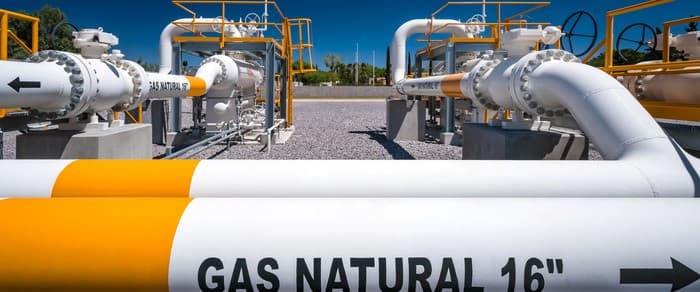
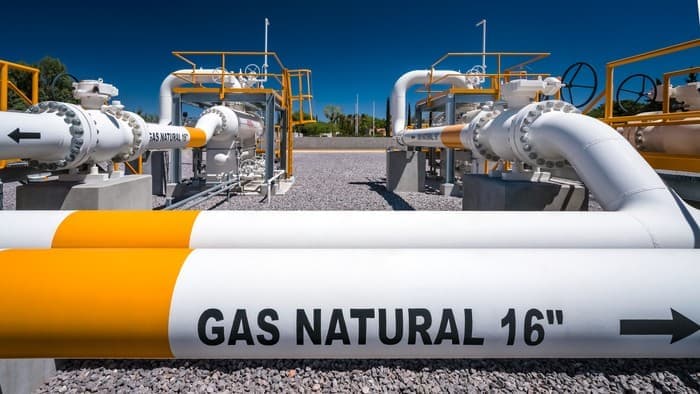
Mexico is considering a return to fracking as it looks to cut its heavy reliance on U.S. natural gas imports.
President Claudia Sheinbaum said her government is evaluating the development of non-conventional gas resources, including shale, as the country continues to import the bulk of its supply. Mexico consumes roughly 9 billion cubic feet of natural gas per day, but produces just 2.3 billion cubic feet domestically. The rest—about 75% to 80%—comes from the United States, primarily Texas.
That dependence is becoming harder to ignore.

Pemex estimates that Mexico holds far larger reserves in non-conventional formations than in conventional ones. Proven conventional gas reserves stand at about 83 trillion cubic feet, while non-conventional resources are estimated at more than 140 trillion cubic feet.
The government is now weighing whether those resources can be developed without repeating the environmental damage associated with early fracking operations in the United States.
Sheinbaum said a scientific committee will be formed to evaluate available technologies, including the use of less harmful chemicals and recycled water. The group is expected to deliver recommendations within two months.
This is a huge policy shift from the previous administration. Former president Andrés Manuel López Obrador opposed hydraulic fracturing outright, leaving Mexico dependent on imported shale gas even as domestic demand climbed.
Natural gas drives Mexico’s power sector and much of its industry. Seven combined-cycle plants are coming online, with five more planned, all running on gas.
Pemex expects to increase domestic production to just over 4 billion cubic feet per day by 2030, with a longer-term target of 8.6 billion cubic feet over the next decade. That outlook includes potential contributions from non-conventional sources.
Even under that scenario, imports will remain a major part of the supply mix for years.
By Julianne Geiger for Oilprice.com
More Top Reads From Oilprice.com
- China Weighs Bailout for Airlines Struggling with Fuel Shock
- Traders and Refiners Book Ships to Load Middle East Oil on Hormuz Hope
- India’s Oil Minister Heads to Qatar as LNG Supply Crisis Deepens
Download The Free Oilprice App Today