







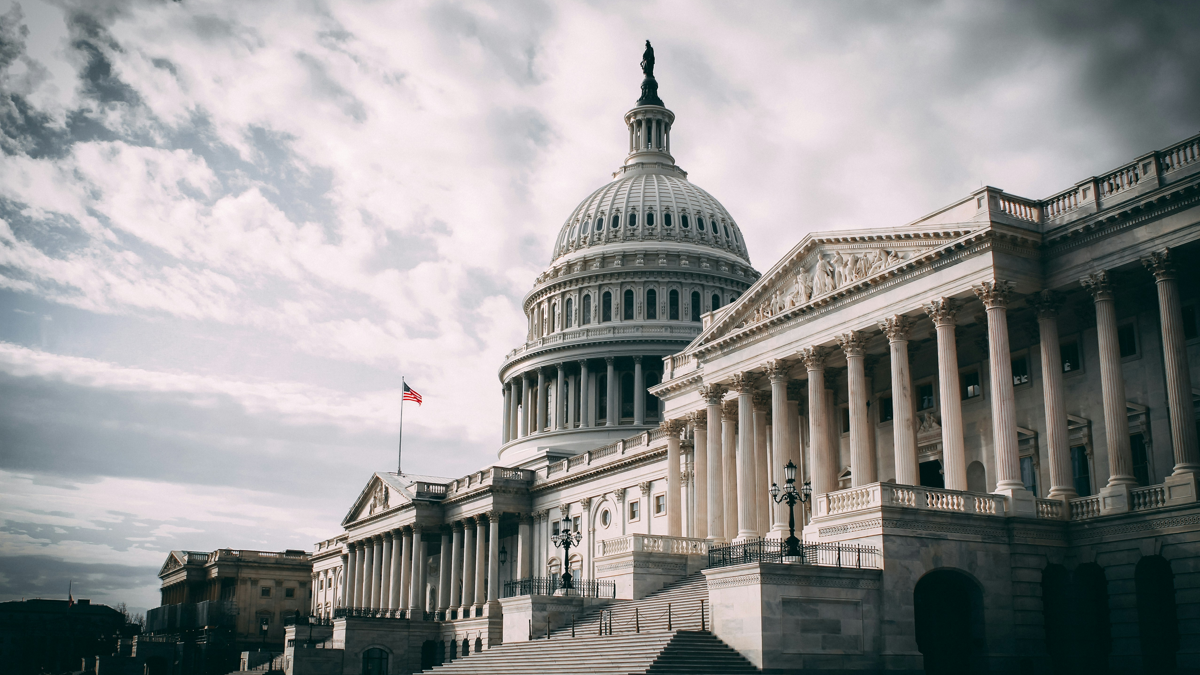

Photo Credit: Harold Mendoza
The House Committee advances the recently amended MAIN Event Ticketing Act with a unanimous vote, but it raises concerns about Live Nation’s motives.
The MAIN Event Ticketing Act has unanimously cleared the House Energy and Commerce Committee with a 36-0 vote, having drawn support from secondary ticket industry advocates who also warn Congress about the potential for private ticketing platform practices to become the basis for federal violations.
The committee approved the amended HR 2713 for submission to the full House on September 16. The bipartisan legislation is sponsored by Rep. Diana Harshbarger (R-TN), alongside co-lead Rep. Troy Carter (D-LA). So far, a House floor vote has yet to be announced.
“The Coalition for Ticket Fairness supports strong enforcement of the BOTS Act and legislation that targets automated ticket fraud,” said spokesperson Geoff Vetter, who also cautions that it could lead to broader ticket-purchasing rules being enforced.
“Our message to Congress is simple: stop illegal bot activity and fraud, but don’t hand more power to the monopoly that already controls most of the market,” Vetter continued. “We’ll keep working with lawmakers in the House and Senate to get this balance right while preserving fair competition and consumer choice.”
That dichotomy raises the more pressing questions surrounding the bill as it moves into the House proper, such as when does breaking a ticket seller’s purchase rule become an illegal circumvention of federal law?
Under the amended bill, ticket issuers that own or operate online ticket sales services would be required to maintain access controls or other technological measures to enforce posted ticket-purchase limits. Further, they would have to establish administrative, technical, and physical security safeguards, oversee relevant third-party service providers, and regularly update those protections as technology and security threats evolve.
Ticket issuers would be required to report known incidents of circumvention to the FTC within 30 days of discovering them and take “reasonable steps” to improve their systems when they have irrefutable knowledge that those systems have been circumvented. The FTC would be directed to create a consumer-reporting mechanism and coordinate with state attorneys general and other agencies.
The bill would also authorize substantially larger civil penalties, with a violation carrying a possible penalty of at least $10,000 for each day it continues, plus a minimum of $1,000 per violation.
So what counts as “circumvention?” The provision defines circumvention as “avoiding, bypassing, removing, deactivating, or otherwise impairing” an access-control system, security measure, safeguard, or other technological control.
Notably, under this definition, a primary ticket seller such as Ticketmaster could still establish purchase limits, account requirements, and other conditions, as well as deploy technology to enforce them. But violating one of those private rules would not inherently constitute federal BOTS Act circumvention—unless the purchaser also bypasses, defeats, or impairs the technological control enforcing it. Otherwise, a ticket issuer could set the boundaries of federal enforcement by simply expanding the purchasing restrictions contained in its own terms.
So onto perhaps the most significant question: why is Live Nation backing the very anti-bot law that FTC is currently using to sue it? By doing so, Live Nation/Ticketmaster is able to set the narrative, switching the “villain” to bots instead of fees and dynamic pricing and deflecting harsher measures. But instead of enabling “bad bots” and mass-buying actors, Live Nation/Ticketmaster is also trying to change the narrative surrounding its own practices from “villain” to “victim” with its systems getting bypassed and abused as defined by federal law.


