

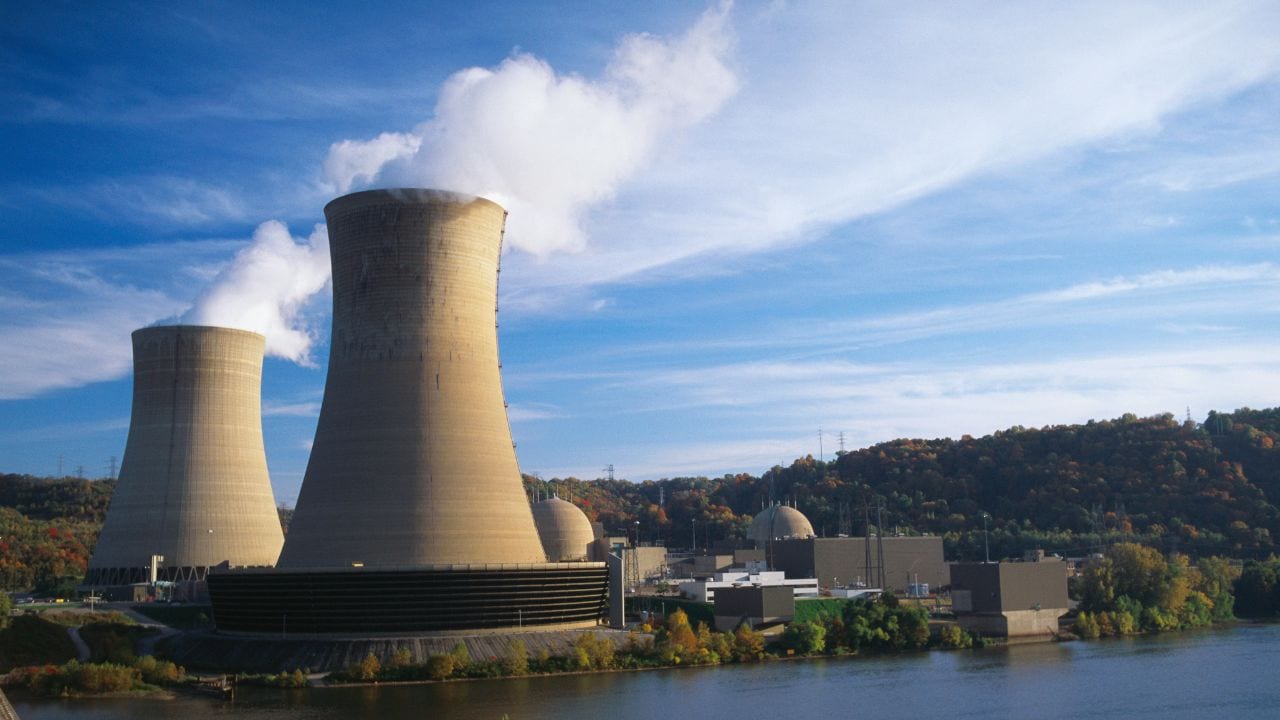
India’s nuclear programme has reached a major milestone with the Prototype Fast Breeder Reactor (PFBR) at Kalpakkam achieving criticality. This is a key step before it starts generating electricity and is central to India’s long-term energy strategy. Here are some key things to know about India’s nuclear breakthrough.
By CNBCTV18.com April 8, 2026, 6:07:44 PM IST (Updated)
 1 / 9
1 / 9
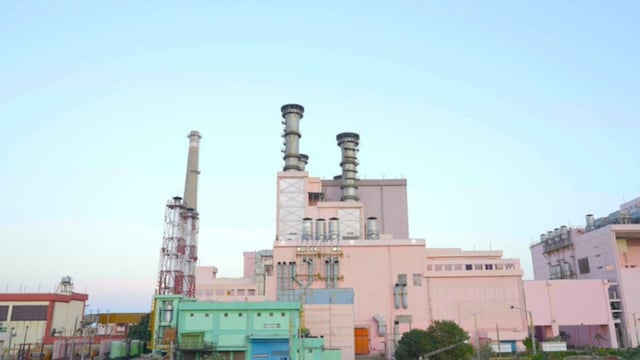
A Milestone Decades in the Making: India’s Prototype Fast Breeder Reactor (PFBR) has reached “criticality” during commissioning, marking a major step forward in one of the country’s most ambitious nuclear projects.
2 / 9
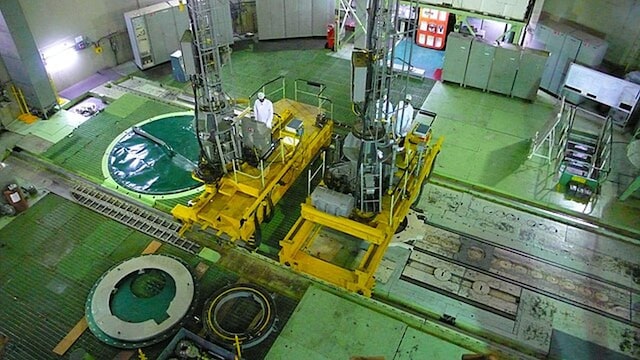
What ‘Criticality’ Means and Why It Matters: Criticality is the point at which a nuclear chain reaction becomes self-sustaining without external support. Reaching this stage confirms that the reactor’s fuel, design and control systems are working as intended. It is a key validation before electricity generation begins. (Image: Wikimedia Commons)
3 / 9
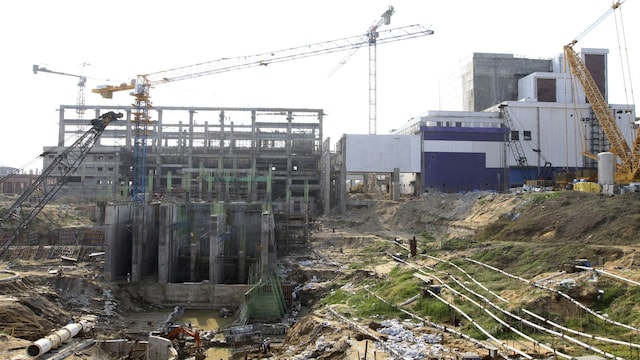
Built Over Two Decades: The PFBR project began in 2004, under Bharatiya Nabhikiya Vidyut Nigam Limited. The project saw delays due to complex engineering work, safety checks and regulatory approvals. (Image: Reuters)
4 / 9
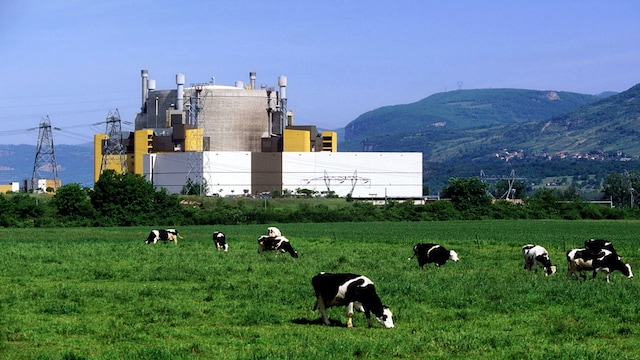
A Technology Few Countries Use: Fast breeder reactors are rare. Russia and China are among the few actively developing them, while countries like France, Japan and the US scaled back due to high costs and technical challenges. India continues to pursue this technology. (Image: Reuters)

5 / 9
Why Energy Security Matters Now: Global disruptions, such as the Russia-Ukraine War and tensions in the Middle East, have highlighted the risks of relying on imported fuels. Nuclear power offers a stable and low-carbon alternative. (Image: Reuters)
6 / 9
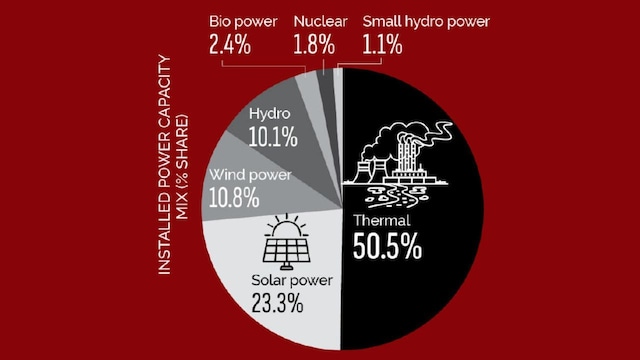
India’s Growing Power Demand: India’s electricity demand is rising rapidly and could more than double by 2040. While coal dominates and renewables are expanding, nuclear power provides consistent, round-the-clock energy.
7 / 9
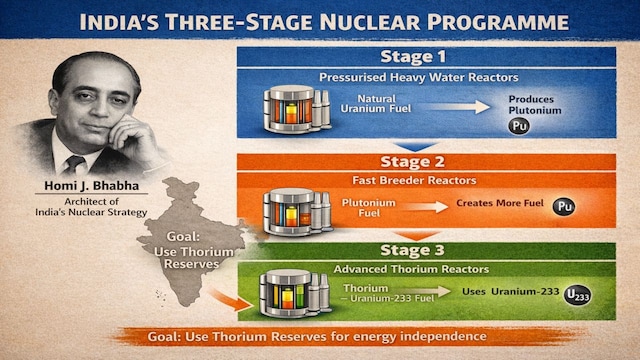
The Fuel Challenge and Thorium Opportunity: India has limited uranium but large thorium reserves. This shaped the three-stage nuclear plan proposed by Homi J Bhabha. Thorium cannot directly fuel reactors, but it can be converted into uranium-233 inside a reactor. If this becomes commercially viable, it could provide a long-term domestic energy source for India. The Kalpakkam reactor marks India’s move into Stage 2. (Image: AI Generated Infographic)
8 / 9
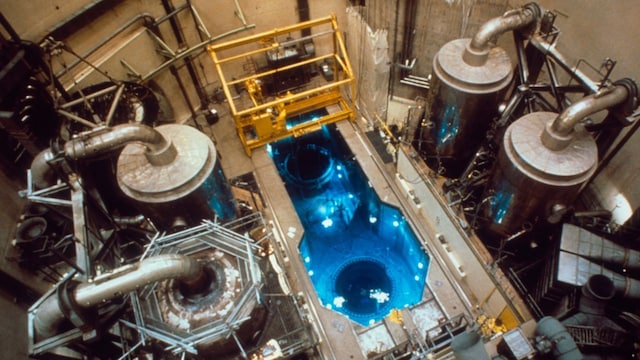
How the Fast Breeder Reactor Works: The fast breeder reactor uses liquid sodium as a coolant instead of water, which allows neutrons to remain fast and sustain the chain reaction. In this process, plutonium fuel undergoes fission and releases neutrons, which then convert uranium-238 into new plutonium. This newly created plutonium can be reused as fuel, allowing the reactor to produce more fuel than it consumes and extract significantly more energy from the same amount of uranium. (Image: Canva)
9 / 9
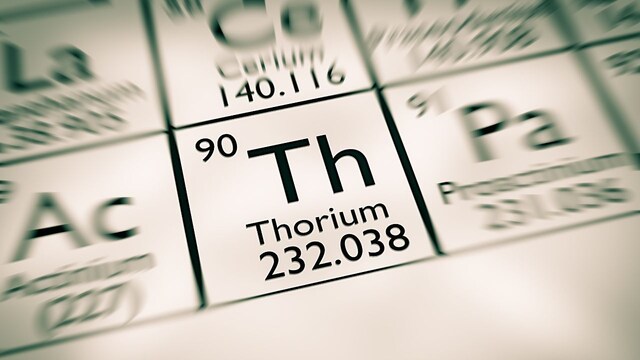
Why the Kalpakkam Reactor Matters: The Prototype Fast Breeder Reactor at Kalpakkam could help India extract more energy from its limited uranium resources while also enabling the recycling of nuclear fuel and reducing waste. It is a crucial step towards developing thorium-based reactors in the future. It is expected to play a key role in strengthening India’s long-term energy security and expanding the share of nuclear power in its energy mix. (Image: Canva)
