

THERE ARE TIMES during the winter when I feel like Tyler Durden walking through the office with apparent signs of violence. But instead of a black eye and busted lip, it’s cracked, bloody hands that seem to indicate my membership in a fight club. The rub is that my beat-up fists are actually the product of dry skin, and I haven’t been in a fight since middle school when a classmate told me Pinkerton was overrated—a statement that, at the time, felt unforgivable (and, honestly, still does).
See, just like how the winter can wreak havoc on your face and escalate scalp problems, it’s brutal on your hands. “Cold winter weather is basically the perfect recipe for dry, cracked hands,” says dermatologist Dr. Whitney Hovenic, MD. But just as building a winter skincare routine or upgrading your anti-dandruff shampoo can save your face and scalp, dry hands are easy to remedy. You just need to know what habits to keep, which to avoid, and the right products.
Why Do Hands Dry Up During the Winter
I rarely, if ever, deal with dry hands during the summer and spring—and I’m way less diligent about moisturizing them when it’s warmer. But during the cooler months, my hands are a bloody mess, often quite literally. So why the drastic shift in seasons? According to Dr. Hovenic, it’s a combination of the lower temperatures, humidity levels, and wintry elements.
When temps drop, the air holds less humidity, which causes your skin to lose moisture faster and weakens its protective barrier. Cold outdoor wind and dry indoor heat also strip away moisture and natural oils, making it harder for your hands to stay hydrated, she says. As a result, your skin feels tight, rough, and irritated, and it becomes far more likely to crack.
The next question then becomes: Why is this felt the hardest on my hands, as opposed to my face or body? While the rest of your skin will be affected, hands take the biggest hit in winter because we use them nonstop, exposing them all day to cold wind, dry indoor heat, and frequent washing or sanitizer use, Dr. Hovenic says. Hand skin also has fewer oil glands and produces less protective oil. This constant exposure leaves hands especially prone to dryness, irritation, and cracking in colder months, she says.
Plus, it’s cold and flu season. The best defense against getting sick is often at a higher risk of drying out your hands (a trade-off I will gladly accept, to be clear). Frequent handwashing and sanitizer use dry out the skin, but moisturizing between washes helps reduce the damage, Dr. Hayre says. Choosing gentler soaps with humectants and sanitizers that contain aloe can also help minimize dryness.
There are three primary options for treating dry hands: lotions, creams, and ointments. According to Dr. Hovenic, lotions absorb quickly but offer minimal protection, creams provide a balanced level of hydration for everyday winter dryness, and oil-based ointments deliver the strongest moisture barrier for severely dry or cracked hands.
There’s no single best approach; the right option depends on personal preference and how severe your dryness is. For example, ointments are best for the driest, most cracked skin, but they’re also oil-based, so they may leave hands feeling greasy. A rich lotion or cream, on the other, er, hand, can support the skin while leaving it feeling soft—but they won’t work as quickly.
When choosing a hand cream or ointment, look for ceramides that help repair and strengthen the skin barrier, along with humectants like glycerin or hyaluronic acid that draw moisture into the skin, says Dr. Hovenic. Additionally, occlusives, such as petrolatum or dimethicone, seal in hydration and shield skin from cold air, frequent washing, and indoor heat, while shea butter and nourishing oils like jojoba or almond oil soothe and soften dry, stressed hands.
This will come as no surprise to those who deal with sensitive skin year-round, but the ingredients you avoid are equally important to minimizing dryness and cracking. Dr. Hovenic says to avoid products with high concentrations of alcohol because they further dry out and irritate already compromised skin. Fragrances, essential oils, and exfoliating ingredients like AHAs or retinoids can also trigger irritation and worsen dryness, especially on hands during winter.
The Best Products to Moisturize and Heal Hands
Clinique’s Deep Comfort Hand and Cuticle Cream is Dr. Hovenic’s go-to hand cream this time of year. She digs the rich formula that deeply hydrates while supporting the skin barrier without feeling too heavy or sticky for day-long comfort. For a lotion, she recommends La Roche-Posay Lipikar AP+M Triple Repair Body Moisturizer. It absorbs fast and leaves hands moisturized. Plus, it’s a body lotion so it can help attack dry skin anywhere on the body without causing a reaction—nothing new for what is the best skincare brand for sensitive skin.
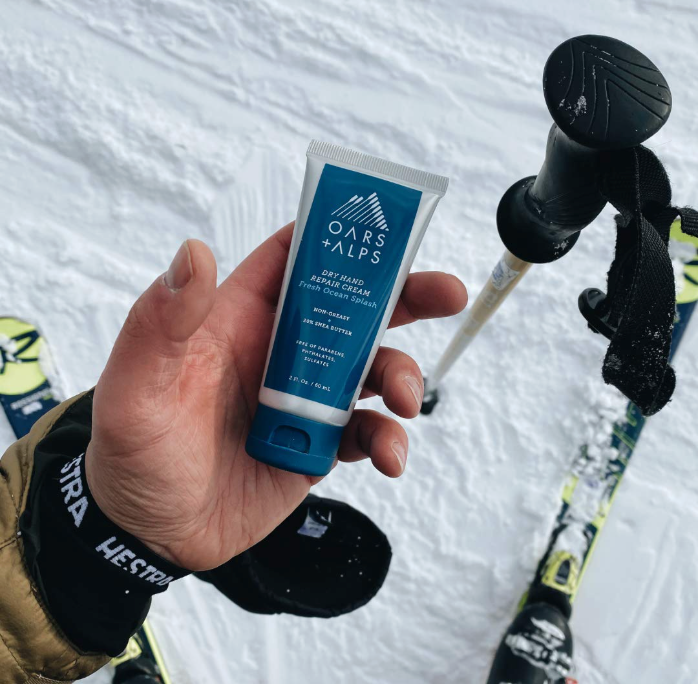
Whenever my hands start to get extra dry, I reach for Oars and Alps Dry Hand Repair Cream. It’s thick without being greasy and uses a powerful dose—10 percent—of shea butter to soothe hands. I usually apply it two or three times a day for two or three days whenever my hands get bad before switching back to my daily cream, which is the Salt & Stone Santal and Vetiver Hand Cream.
It maintains my hands’ baseline softness with an antioxidant-rich formula. But, like most Salt & Stone offerings, the real selling point is the scent. Most of my go-to colognes are woody or earthy, so the cream’s rich santal and vetiver complement them perfectly.
If your hands are so dry that they’ve already drawn first blood, you’ll want to look for an ointment to heal them, especially if it’s become painful. For this, Dr. Hovenic points to either Aquaphor Healing Ointment or CeraVe Healing Ointment because both are ideal for intense repair. She recommends using one of these at night to give them ample time to seal in moisture and help the skin recover.
Everything You Need to Heal Dry Hands

Clinique Deep Comfort Cuticle and Hand Cream

La Roche-Posay Lipikar AP+ Triple Repair Moisturizing Cream

Oars + Alps Dry Hand Repair Cream

Salt & Stone Santal and Vetiver Hand Cream

Aquaphor Healing Ointment

CeraVe Healing Ointment
Meet the Expert
- Dr. Whitney Hovenic, MD, co-founder of SPOOGE, double board-certified Dermatologist, and Mohs surgeon in Reno, Nevada.
More of Our Favorite Skincare
Moisturizers for Oily Skin | Moisturizers for Sensitive Skin | Moisturizers With SPF | Moisturizers for Combination Skin | Moisturizers for Dry Skin | Moisturizer | Night Creams | Foot Creams | Eye Creams | Body Washes for Dry Skin | Bar Soaps | Natural Soaps | Biodegradable Soaps | Face Washes | Moisturizing Body Washes | Deodorants | Skincare Brands for Men | Budget Skincare | Body Washes | Hand Creams | Body Lotions
Shop All the Men’s Health Training Guides

Men’s Health Muscle After 40 At Home

Men’s Health 28-Day Belly Fat Burner Workout

Men’s Health Weight Loss After 40

Men’s Health No Gym Required: Kettlebells

Men’s Health 6-Week Lean Muscle Level-up

Men’s Health 90-Day Transformation Challenge: Abs

Men’s Health Unstoppable After 40

Men’s Health The Lose Your Gut Guide
Sean Zucker is the Grooming and Commerce Editor at Men’s Health. He brings over half a decade of experience covering health, wellness, and lifestyle. When Sean’s not writing about hair products, you can find him running for exercise, or toward the nearest food truck.
Christian is the Style and Reviews Director at Men’s Health and Women’s Health, where he oversees shopping and style content for both brands. He started his magazine career as an accessories assistant at Vogue, and has since held editorial roles at Tatler Asia and The Manual. When he’s not online shopping, you can find him on long walks with his two corgis.
