




Advertisement


GITEX Nigeria: FG to Roll Out 90,000km Fibre-Optic Network in October to Secure Digital Sovereignty
By Fom Gyem
The Federal Government says plan is underway to begin the rollout of a 90,000-kilometre nationwide fibre-optic network in October 2026 as part of efforts to secure digital sovereignty and drive the country’s Fourth Industrial Revolution agenda.
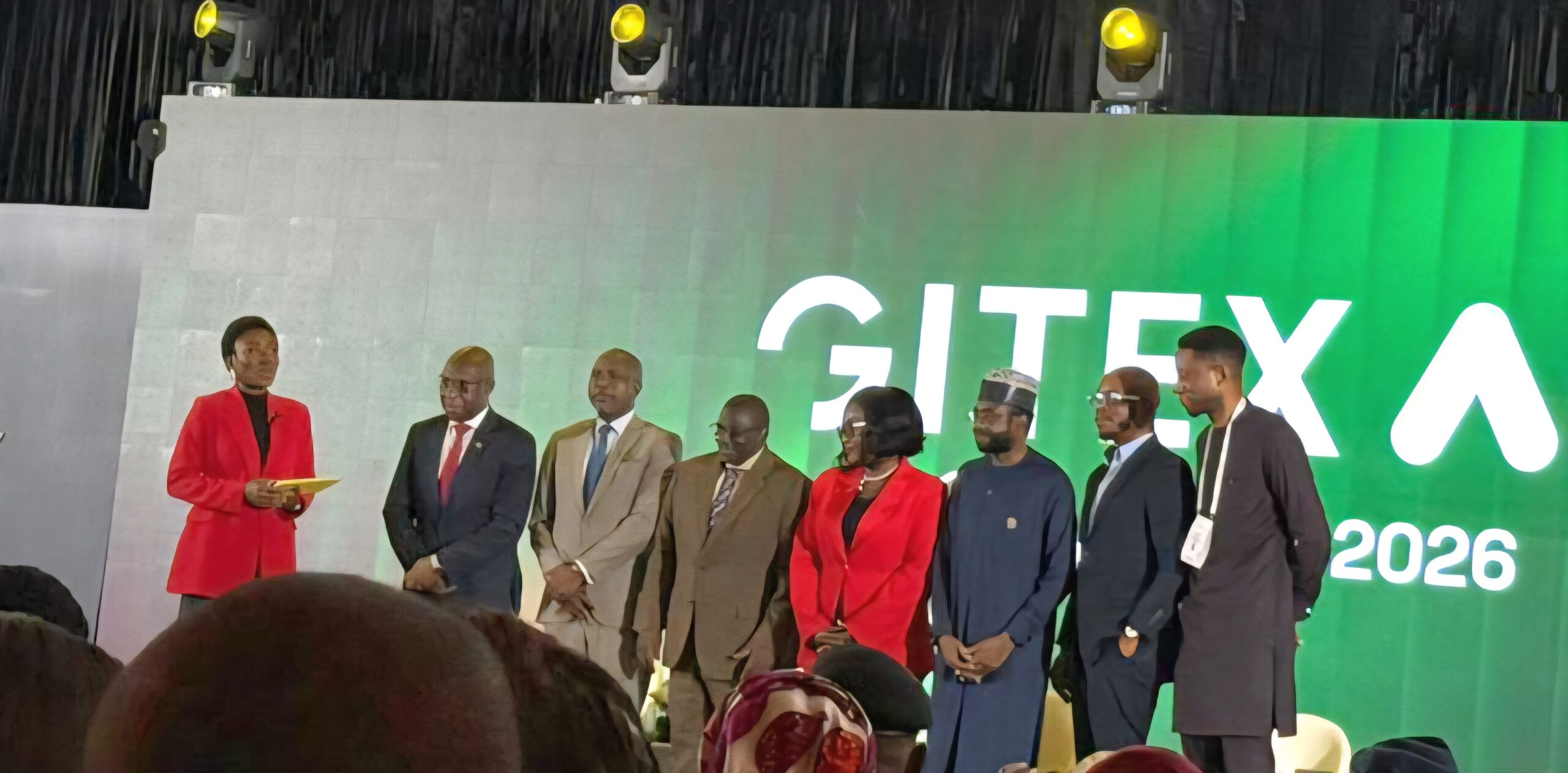
The announcement was made at the GITEX AI Nigeria 2026 summit in Abuja, where officials described the project as the backbone for artificial intelligence, data centres, digital identity and cloud services.
Delivering his keynote address, the Director-General of National Information Technology Development Agency (NITDA), Kashifu Inuwa, said Nigeria must build indigenous capacity to lead in technology rather than remain a consumer of foreign platforms.
“The planned 90,000Km fibre-optic rollout is expected to significantly expand high speed internet access across the country and strengthen the infrastructure required to support digital services, artificial intelligence and other emerging technologies.
“Nigeria and Africa could no longer afford to miss the opportunities presented by the Fourth Industrial Revolution after missing out on the first, second and third industrial revolutions,” the DG said.
He challenged Nigerian startups to “develop their own algorithms and build artificial intelligence systems using locally relevant data rather than relying solely on existing AI platforms.”
He added that Nigeria must also develop the capacity to determine how its digital resources are used.
His words, “To achieve operational sovereignty and develop and own its own legal framework for the digital economy.”
Representing Lagos State Governor Babajide Sanwo-Olu, Commissioner for Innovation, Science and Technology, Olatunbosun Alake, said the fibre rollout was changing Nigeria’s investment profile.
“Nigeria is moving from a country of risk to a country of returns,” Alake said, urging investors to look beyond fintech.
He disclosed that Lagos was targeting “more than 250 megawatts of total data centre capacity by 2030” to support the expanded connectivity.
Also speaking, Mrs Bekearedebo Augusta Warrens, Permanent Secretary, Political and Economic Affairs Office in the Office Of The Secretary to the Government of the Federation (OSGF), representing the SGF, Senator George Akume, listed infrastructure and connectivity as a major area of intervention.
She cited the 90,000Km fibre-optic network as central to improving connectivity and supporting the digital economy.
Warrens also highlighted progress on digital identity through National Identity Management Commission (NIMC) and human capital development under FG’s 3 Million Technical Talent programme, which she said had recorded “more than 1.78 million registrations, with over 27,000 Nigerians trained.”
She added that government was also prioritising “data and cloud infrastructure, including digital cloud sovereignty.”
Stakeholders at GITEX Nigeria 2026 said the fibre expansion, alongside indigenous AI development, data-centre investment and digital identity reforms, will determine whether Nigeria and Africa only consumes technology or builds and governs it.
GITEX Nigeria 2026 is bringing together government leaders, regulators, tech companies, investors and startups to shape policy on AI, data and digital infrastructure for Nigeria and Africa.