

In an age when science should inform public policy, it is deeply frustrating to watch lawmakers with medical and science backgrounds — those who should be the fiercest defenders of evidence-based care — support policies that actively undermine public health. Across the country this year, 46 states introduced more than 450 vaccine-related bills, many of which would weaken vaccine requirements, sow distrust in immunization, and elevate misinformation over medicine. What’s worse is that some of the loudest supporters of these anti-science policies are doctors themselves.
Making Vaccine Exemptions Easier — Despite Evidence of Disease Risk
While the trend of making school vaccine exemptions easier is happening all over the U.S., in the 2021 Texas legislative session we began to see lawmakers with health and science backgrounds supporting legislation against vaccination mandates. Their support lends dangerous credibility to deceptive theories that have no basis in clinical science.
Lawmakers with “MD/DO” or “NP/RN” alongside their names are often looked to by their peers in the state capitol as experts and leaders on health-related matters coming before the legislative body. But in our research looking at legislators from Texas, Oklahoma, Arkansas, and Louisiana during the 2023-2024 state session, we found that some of these experts were actually supporting unfounded vaccine-limiting public health measures. Our findings demonstrated that doctors and veterinarians predominately voted along party lines and not for public health measures. They scored the worst when it came to voting for anti-vaccine legislation compared to nurses and other healthcare professionals.
During the 2025 legislative session, the trend continued. Texas lawmakers with health backgrounds supported a bill to make it much easier for parents to opt out of school vaccine requirements. During the bill’s floor debate, a medical doctor stood by the author of the bill in solidarity even though there is clear evidence that higher exemption rates lead to vaccine-preventable disease outbreaks.
This happened despite the fact that the U.S. is experiencing the largest measles outbreak in over 30 years — one that started in an area in Texas where exemption rates were high and that has led to 750 cases (97% unvaccinated) and the deaths of two unvaccinated children in the state. Two physician lawmakers — Representative Greg Bonnen, MD (R-Texas), and Tom Oliverson, MD (R-Texas) — also co-authored a bill prohibiting healthcare professionals from using vaccination status to determine eligibility for receiving organ transplants.
Anti-Vaccine Policies Won’t Make America Healthy Again
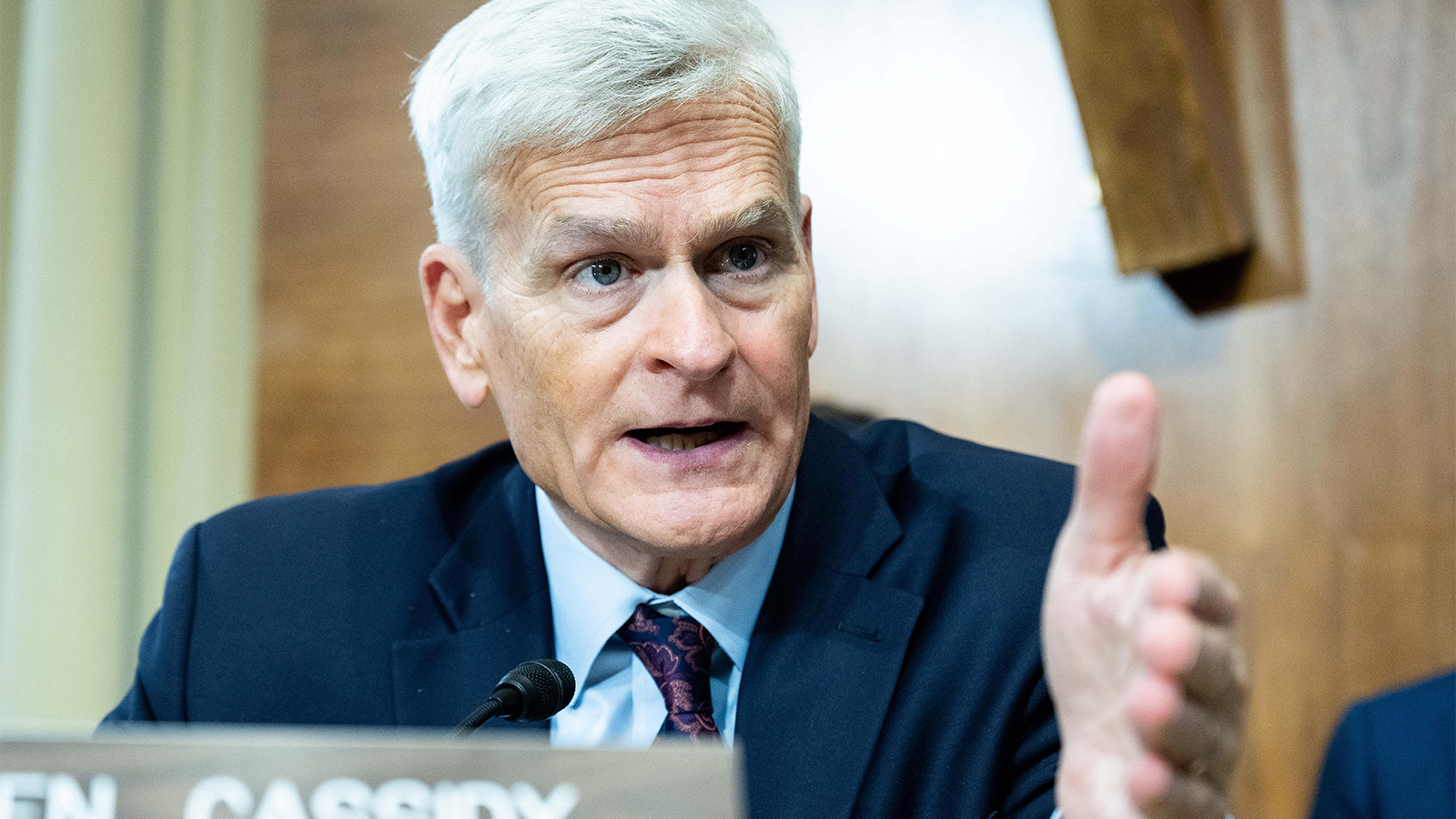
This betrayal of science is not limited to state legislatures. Sen. Bill Cassidy (R-La.), a gastroenterologist, supported Robert F. Kennedy Jr.’s appointment as Health and Human Services secretary, placing the nation’s public health infrastructure in the hands of a man who compared government promotion of vaccines to fascism during the Holocaust, pushed debunked conspiracy theories about autism, and accused public health officials of having an interest in “mass poisoning.” Now in office, Kennedy has dismantled the Advisory Committee on Immunization Practices (ACIP) and appointed new members, several of whom have expressed anti-vaccine views; and he has called for more research into the link between vaccines and autism.
Several physician senators — Roger Marshall, MD (R-Kan.), John Barrasso, MD (R-Wyo.), and Rand Paul, MD (R-Ky.) — also failed to step up and oppose Kennedy’s nomination, despite his beliefs going against their medical knowledge and training.
Although Cassidy called for postponing the next ACIP meeting, the meeting was held anyway, and the new members recommended dropping thimerosal from flu vaccines despite sharing no evidence of it being unsafe. These actions from Kennedy are not making America healthy again. They’re reckless — and Cassidy stood by and allowed it to happen, despite knowing the consequences for public health.
A Responsibility to Public Health
Healthcare professionals in politics carry a special responsibility. They understand how our complex human body works and have taken oaths to do no harm. When they champion anti-vaccine rhetoric or vote for laws that erode public health and trust in science, they aren’t just playing politics — they’re betraying the very foundations of their training and the communities they serve.
The irony is glaring. Pediatricians, nurses, and other frontline providers are working overtime to combat rising vaccine hesitancy and the reemergence of diseases like measles and pertussis. Meanwhile, some of their elected colleagues with the same credentials are fueling the problem. Their votes don’t reflect scientific and medical consensus or clinical best practice — they reflect political expediency at the expense of public safety.
Allowing politics to drive policy decisions invariably leads to unintended consequences — as we have already seen with the measles and whooping cough outbreaks. In the end, the public suffers the collateral damage. It’s time for voters, professional associations, and physician colleagues to hold these lawmakers accountable for going against scientific and medical evidence. Credentials shouldn’t be a shield for spreading deceptive and false information.
If you are a doctor or healthcare professional in elected office and you promote or condone anti-vaccine policies, you’re not practicing medicine — you’re practicing politics and putting lives at risk. We don’t need more doctors who act only in their political best interest. We need more doctors in politics to remember why they became doctors in the first place.
Kirstin R.W. Matthews, PhD, is a fellow in science and technology policy at Rice University’s Baker Institute for Public Policy and a lecturer in Rice’s Department of BioSciences. Rekha Lakshmanan is a nonresident scholar at Rice University’s Baker Institute for Public Policy and the chief strategy officer at The Immunization Partnership (TIP) in Houston.
Disclosures
The Immunization Partnership has received pharmaceutical industry funding to support some of its general programming work.
