





Haley Zaremba
Haley Zaremba is an energy journalist and researcher with more than a decade of professional experience covering global energy systems, land and natural resources, and…
Set us as your preferred Google source
Premium Content
By Haley Zaremba – Jun 26, 2026, 3:00 PM CDT
- The US and Canada each announced plans this week to build ten new nuclear reactors, the biggest coordinated nuclear push in North America in decades.
- The moves come as the AI boom, the war in Iran, and broader geopolitical instability push energy security to the top of the policy agenda worldwide.
- China added 34 gigawatts of nuclear capacity over the past decade to the US’s one plant, and is on track to overtake both the US and France as the world’s top nuclear producer.

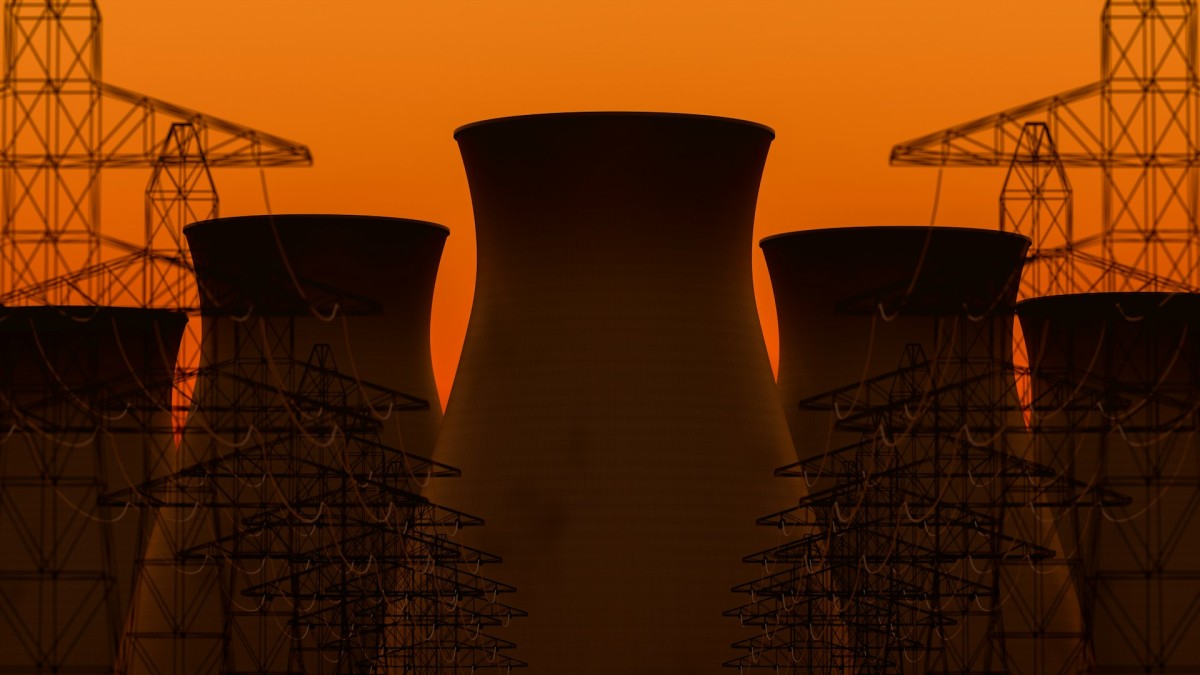
Global energy markets are in turmoil as energy crises keep piling up. The energy-hungry AI boom, war in Iran, geopolitical instability, and climate pressures are creating a polycrisis for the global energy sector, and it’s just getting started. To solve multiple overlapping crises, we will need multiple overlapping solutions. An all-of-the-above solution to increasing energy security is therefore gaining favor on a global scale as the precariousness of over-reliance on limited energy supply chains becomes dangerously clear. While fossil fuels continue to provide the lion’s share of the global energy mix, alternative energy sources, especially those that are harder to blockade or embargo, are quickly gaining favor.
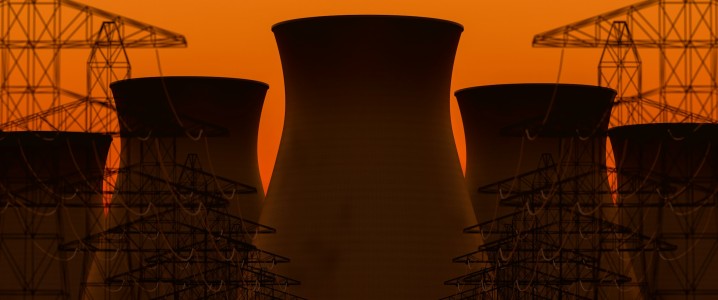
One of the biggest benefactors of this all-of-the-above approach to energy growth is the nuclear energy sector, which is currently undergoing a worldwide renaissance. While nuclear energy had fallen out of favor in much of the world in the wake of high-profile nuclear disasters like Chernobyl, Three Mile Island, and Fukushima, it has come roaring back due to the undeniable advantages it offers as a zero-carbon, round-the-clock energy source with well-established supply chains and high efficiency.
“With energy security now ranking alongside climate commitments as a top policy priority, nuclear power appears positioned to play a central role in the global electricity landscape through mid-century,” the Foreign Policy Journal reported earlier this month.
Just this week, the United States and Canada unveiled separate plans to build ten new nuclear reactors each, marking a massive acceleration of nuclear energy development across North America. On Monday, Energy Minister Tim Hodgson introduced a plan for a “new civilian nuclear renaissance” that serves as a central component of a larger plan to double the capacity of the national electrical grid by 2050 to keep up with projected demand growth.
“If our goal is to double our grid and build a low-carbon economy in less than 25 years, there is no credible plan to do that without nuclear energy and the clean, reliable baseload power it provides,” Hodgson said at a news conference in Ontario. “There is no credible plan for Canada to become an energy superpower if we choose not to build upon one of the strongest energy advantages we have,” he went on to say.
Just a day later, the Trump administration announced that it plans to funnel billions of dollars in federal loans toward kickstarting a buildout of nuclear power plants across the United States as part of Trump’s desire to to “produce lasting American dominance in the global nuclear energy market.” The new Department of Energy plan, which a New York Times report describes as “complex and unusual”, would rely on utilities to put forward hundreds of millions of dollars of their own money in order to access the federal loans, with the ultimate goal of easing the sticker shock of the components for large new reactor types.
These two plans are designed to reverse a yearslong inertia in Western nuclear energy markets. In the last ten years, the United States only built one new nuclear plant, and it was years overdue and billions over budget by the time it was finally finished. Over the same time period, China added a staggering 34 gigawatts of capacity over the same time period. As a result, China is on track to overtake the United States (and France) to become the world’s biggest producer of nuclear energy within the next ten years.
The United States and Canada’s new plans pale in comparison to China’s lofty nuclear goals as outlined in the country’s newest five-year plan, but they mark a major shift in energy strategy for the two powers, and potential progress toward rebalancing the global nuclear sector.
By Haley Zaremba for Oilprice.com
More Top Reads From Oilprice.com
- Qatar Offers First Crude Loadings to Buyers Since War Began
- China’s Crude Imports Set to Hit Weakest Level Since 2016
- Lithium Prices Tumble As Traders Brace For CATL Supply Surge
Download The Free Oilprice App Today



Haley Zaremba
Haley Zaremba is an energy journalist and researcher with more than a decade of professional experience covering global energy systems, land and natural resources, and…


