

Advertisement

FG Moves to Cut Manufacturers’ Diesel Bills with Dedicated Power Lines
The Federal Government is moving to free manufacturers from crippling diesel costs with dedicated electricity lines that will connect power stations directly to major industrial hubs, starting with a proposed line from Alaoji to the Agbara industrial area in Ogun State.
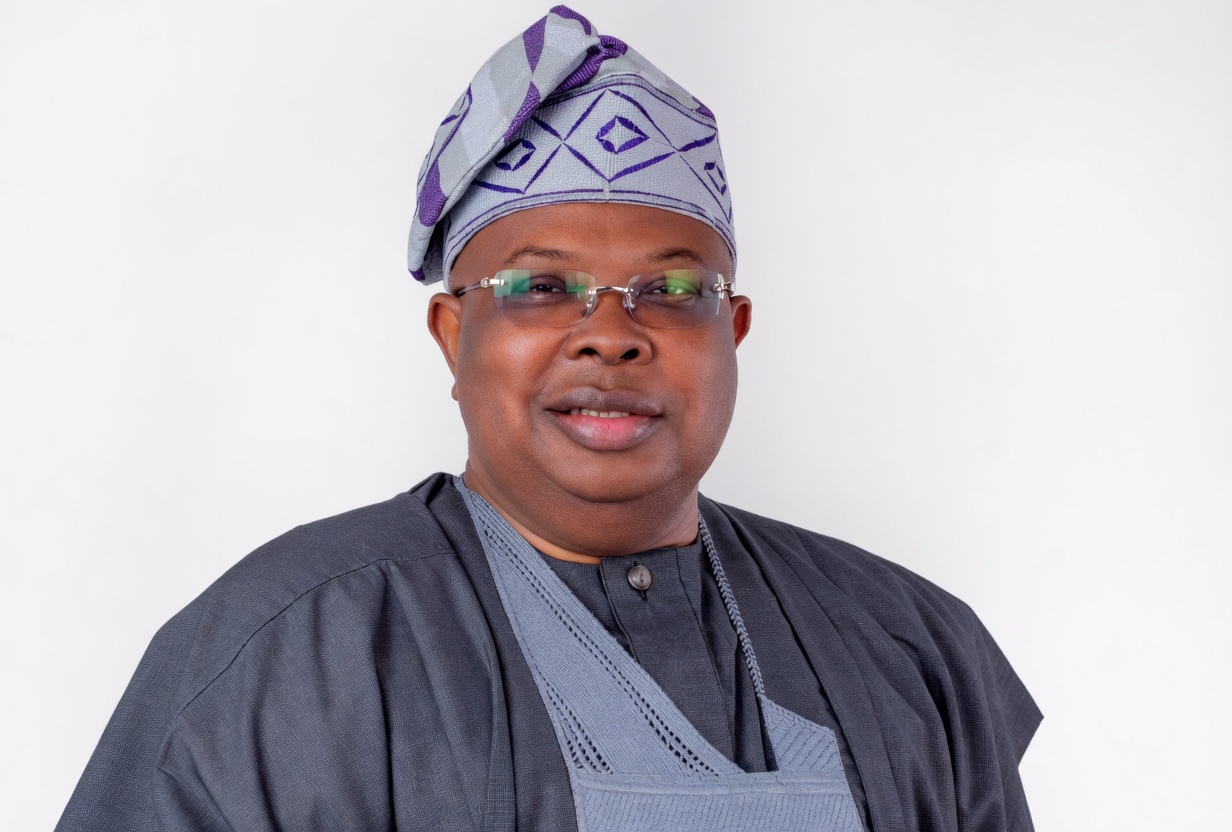
The Minister of Power, Joseph Olasunkanmi Tegbe, disclosed this on Monday at the Manufacturers Energy Security and Energy Efficiency Summit in Lagos.
He said the government was working to strengthen the connection between available electricity generation and industrial demand, including the proposed transmission line linking Alaoji to Agbara.
Tegbe said the initiative would ensure more reliable electricity supply to manufacturing hubs, reduce production costs and improve industrial productivity.
“We are looking at dedicated transmission infrastructure that will connect available power generation to major manufacturing hubs, including the proposed connection between Alaoji and the Agbara industrial area,” he said.
The minister outlined a four-pronged strategy to address electricity challenges in the country. The plan focuses on improving liquidity and sustainability in the power sector, optimising existing generation and transmission assets, developing energy zones and expanding critical infrastructure.
He said improving electricity delivery to industrial centres was essential to reducing manufacturers’ reliance on diesel, gas and other costly independent power sources.
The announcement comes amid growing concerns over rising energy costs and unreliable grid electricity, which have continued to affect manufacturing operations across the country.
At the summit, the Manufacturers Association of Nigeria launched the Industrial Energy Cost Reduction and Clean Energy Adoption Programme (IECRECAP) to help businesses access affordable and sustainable energy.
The initiative is being implemented through the Manufacturers Power Development Company Limited in collaboration with the Nigerian Energy Support Programme, the German development agency GIZ, the Federal Ministry of Power and other partners.
MAN President, Dr Ifeanyi Okoye, identified high energy costs, unreliable electricity supply and increasing dependence on self-generation as major challenges confronting manufacturers.
He said the situation had continued to undermine industrial productivity and the competitiveness of Nigerian businesses.
Okoye called for sustainable financing arrangements to support industrial energy projects, including investments in rooftop solar systems, battery storage, captive gas generation and smart energy management.
He stressed that affordable and reliable electricity was critical to strengthening local manufacturing capacity and enabling Nigerian products to compete effectively in regional and international markets.
