

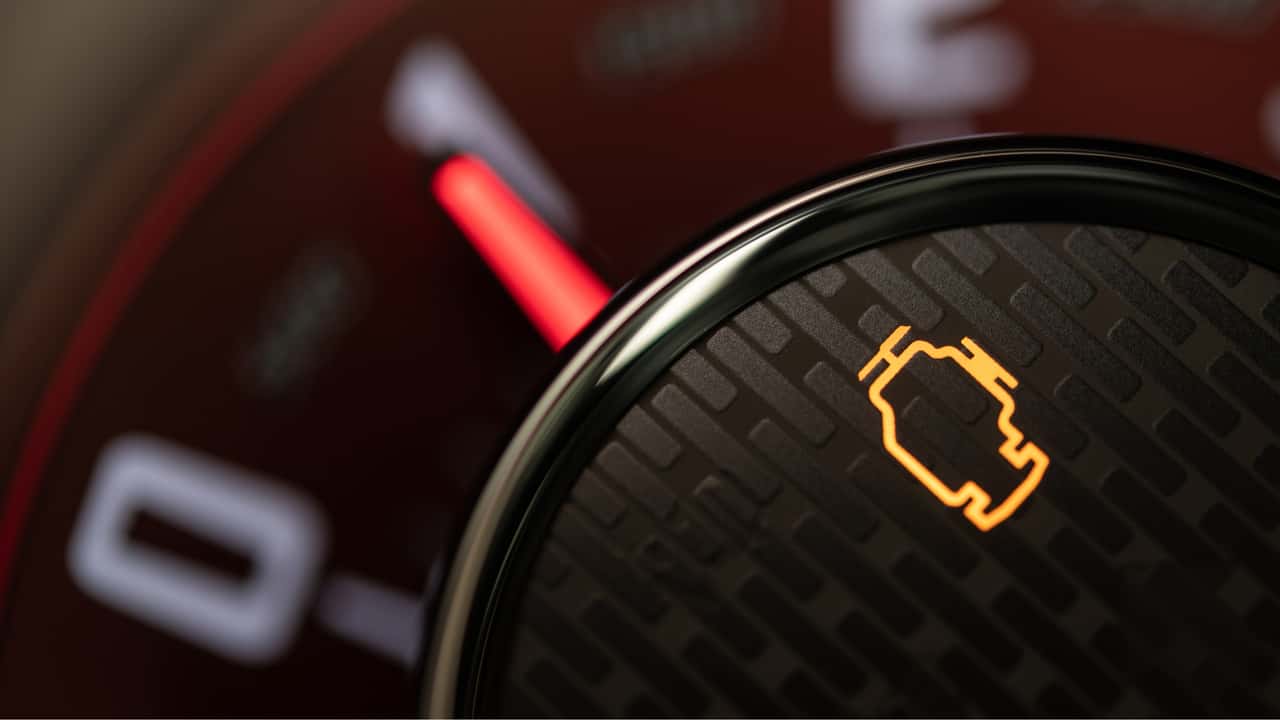
Imagine driving down the highway when your car suddenly loses power, struggles to accelerate, or refuses to shift gears. A warning light appears on the dashboard, and pressing the gas pedal does little to help. Before assuming the engine or transmission is about to fail, there’s another possibility: your vehicle has entered limp mode.
Limp mode is a protective feature found in many modern cars, designed to limit performance when the onboard computer detects a potentially serious problem.
But why does limp mode activate, and does it always mean an expensive repair is coming? The answer depends on what triggered it.
What Is Limp Mode, And Why Do Cars Have It?
Limp mode, also known as limp-home mode or reduced-power mode, is a protective operating strategy that limits a vehicle’s performance when its electronic control systems detect certain faults. Modern cars use sensors and control modules to monitor engine temperature, fuel pressure, airflow, turbocharger boost, throttle position, and transmission operation.
When the system detects an abnormal reading or a fault that could compromise safe operation, it may restrict engine power, limit revolutions per minute (RPM), or prevent the transmission from shifting normally.
The goal is to reduce the risk of further damage while allowing the driver, when conditions permit, to move the vehicle to a safe location. Some cars can still travel at reduced speed, while others may become difficult or unsafe to drive.
Importantly, limp mode is not a diagnosis. It tells you that the car’s control system has detected a problem, but identifying the underlying cause requires further investigation.
The Most Common Reasons Cars Go Into Limp Mode
Several problems can trigger limp mode, and the symptoms often overlap. Common causes include:
- Faulty engine sensors: A malfunctioning mass airflow sensor, throttle-position sensor, or accelerator-pedal sensor can send incorrect information to the engine control module.
- Transmission problems: Low fluid levels, overheating, faulty speed sensors, or internal transmission faults may cause the gearbox to restrict gear selection or enter a protective mode.
- Engine overheating: Cooling-system leaks, a failing water pump, a faulty thermostat, or a malfunctioning radiator fan can cause temperatures to rise beyond safe limits.
- Turbocharger issues: Boost leaks, faulty pressure sensors, or problems with turbocharger controls can prevent the engine from producing the expected power.
- Fuel-delivery faults: A failing fuel pump, restricted filter, or fuel-pressure problem can interfere with engine performance.
- Electronic throttle faults: Problems with the throttle body, wiring, or accelerator-pedal signals may cause the car to limit acceleration.
- Emissions-system problems: On some vehicles, diesel particulate filter (DPF) restrictions, exhaust gas recirculation (EGR) faults, or related sensor failures can trigger reduced-power operation.
The severity varies considerably. A faulty electrical connection may be relatively straightforward to repair, while serious overheating or internal transmission damage can require much more extensive work. That’s why it’s important not to assume the worst—or ignore the warning—before the vehicle has been diagnosed.
Understanding what limp mode does, recognizing its warning signs, and knowing when to stop driving can help you protect your car and avoid turning a minor fault into a costly repair.
What Are the Warning Signs of Limp Mode?
Limp mode doesn’t look or feel the same in every car. Some vehicles display a specific reduced-power warning, while others simply limit performance or illuminate the check-engine light. One of the most noticeable symptoms is a sudden loss of power, with the engine struggling to accelerate or rev beyond a certain RPM even when you press the gas pedal.
Transmission behavior can change, too. Automatic cars may become stuck in one gear, shift harshly, or refuse to select certain gears. Depending on the vehicle, you might also see a transmission warning light or a dashboard message indicating reduced engine performance. In some cases, the car may run normally for a short time before the symptoms return.
However, these warning signs don’t automatically confirm that limp mode is active. A misfiring engine, failing fuel pump, or mechanical transmission problem can cause similar symptoms. Checking the dashboard warnings and reading the vehicle’s diagnostic trouble codes with a compatible scanner are important first steps toward identifying the actual cause.
Can You Keep Driving, And How Do You Get Out Of Limp Mode?


Whether you can continue driving depends on the underlying fault and the warnings displayed. Limp mode may allow you to move a short distance to a safe place, but it does not guarantee that the vehicle is safe to operate.
If the engine is overheating, the oil-pressure warning is illuminated, the vehicle is shaking severely, or you notice smoke, a burning smell, or a major fluid leak, stop as soon as it is safe and arrange assistance. Continuing to drive under these conditions could cause serious damage or create a safety hazard.
If there are no critical warnings and the vehicle remains controllable, move to a safe location and consult the owner’s manual. A mechanic can then retrieve diagnostic codes, inspect the relevant systems, and determine what needs to be repaired.
Restarting the engine sometimes temporarily clears the symptoms, but it doesn’t necessarily fix the underlying fault. Disconnecting the battery or repeatedly clearing diagnostic codes is not a dependable solution, either. If the original problem remains, limp mode may return.
The correct repair could involve replacing a faulty sensor, repairing damaged wiring, fixing a boost leak, addressing a cooling-system problem, or servicing the transmission. The diagnostic results—not limp mode alone—determine the appropriate fix and likely cost.
What Drivers Say About Limp Mode
Reddit discussions reveal a common frustration among drivers whose cars enter limp mode: identifying the cause isn’t always straightforward. In an r/MechanicAdvice thread about an Infiniti G37, the owner described jerking and restricted acceleration above 2,500 RPM, with symptoms returning after the fault codes were cleared. This is why resetting a warning is not the same as fixing the underlying problem.
Other drivers report intermittent faults that disappear after restarting the car. In a thread about a 2021 Seat Leon FR, the owner described fluctuating engine speed and a temporary return to normal after restarting. Meanwhile, a driver with a 2011 Kia Forte questioned whether an RPM limit meant limp mode, prompting advice to scan for diagnostic trouble codes and examine live data.
The main takeaway from these discussions is that similar symptoms can have different causes, from sensor or wiring faults to more serious mechanical problems. A proper inspection and diagnostic scan remain the best way to identify the fault before replacing parts or continuing to drive.
How Can You Prevent Limp Mode?
Not every limp-mode event can be prevented. Electronic components can fail without warning, and some mechanical problems develop unexpectedly. Nevertheless, regular maintenance can reduce the likelihood of faults that trigger protective operating modes.
Follow the manufacturer’s recommended service intervals, use the correct engine oil and fluids, and keep the cooling system in good condition. Address persistent warning lights, unusual gear changes, unexplained power loss, and recurring engine-temperature problems rather than waiting for them to become worse.
Diesel owners should also follow the manufacturer’s guidance for DPF operation and maintenance, particularly if the car is frequently used for short journeys that may interfere with normal regeneration.
Ultimately, limp mode is your car’s way of warning you that something needs attention. If your vehicle suddenly loses power, prioritize safety, pay attention to dashboard warnings, and have the fault diagnosed promptly. Finding the cause is the best way to protect your car, avoid unnecessary repairs, and get back on the road with confidence.
More From Motor101
We want your opinion!
What would you like to see on Motor1.com?
– The Motor1.com Team
