

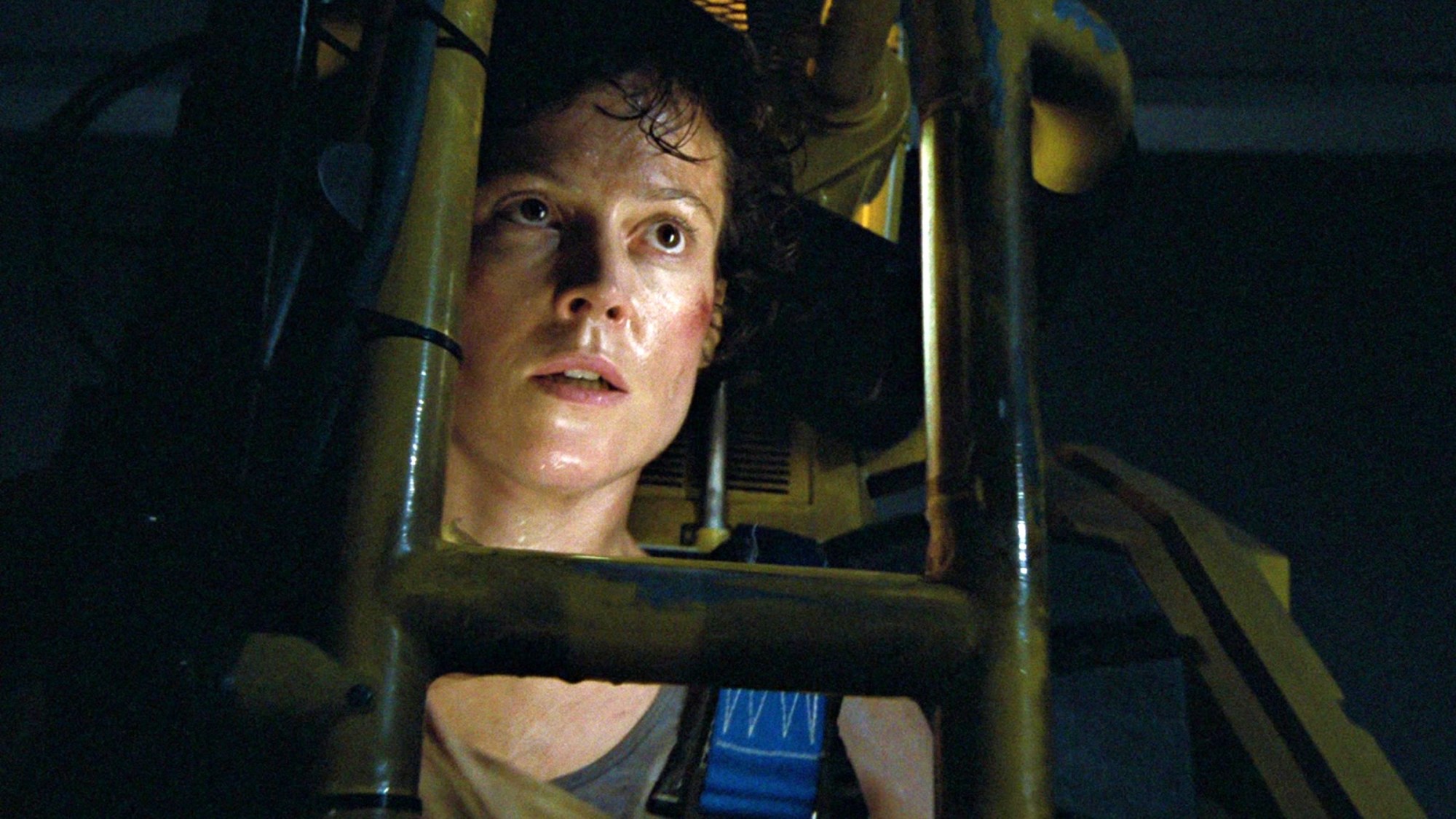
In the entire history of movie franchises, there’s probably no bigger debate among fans than: Which do you prefer, Alien or Aliens? It’s a loaded question, one that has no real wrong answer, but which says everything about the person depending on what they say. If Ridley Scott’s Alien is their answer, it might be because they prefer the atmospheric nature of the 1979 film and the way that it plays like a haunted house or slasher film but in space with a deadly extraterrestrial. Now if their answer is James Cameron’s 1986 Aliens, it might be because they prefer a more action-oriented take on the material, one that goes hard on explosions and more titular beasts, expanding the lore of the series in huge ways.
Videos by ComicBook.com
There’s a reason the question remains such a specific talking point among Alien franchise fans, and it’s because the two films are so distinct from each other but still very clearly exist in the same universe. The result is a pair of films that are clearly in conversation with each other in unique ways, and after decades of watching and re-watching both, I’ve just realized one of those connections that has flown by me forever: Aliens‘ most iconic quote, the perfectly timed, “Get away from her, you bitch,” is actually a direct reference to the original movie.
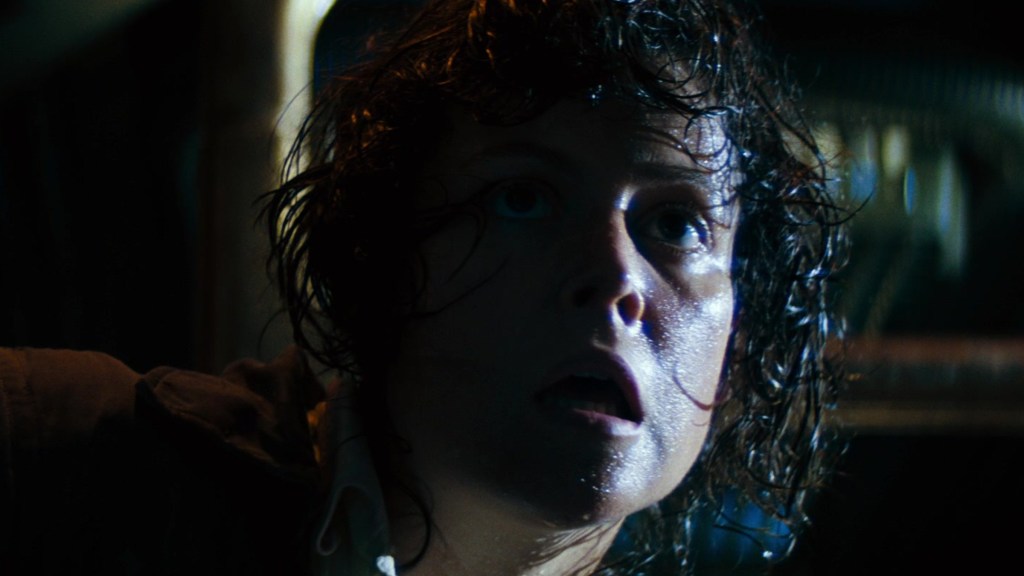
In the big finale of Aliens, when Sigourney Weaver’s Ellen Ripley utters this iconic line, it comes after intense fighting to save Newt from the Xenomorph horde that has taken over the planet. It’s also her coming into her own and drawing a line in the sand, tired of fighting everything that’s come her way and ready to put it all on the line to end it.
The same thing happens in Alien, as well, but it would be easy to forget it. After the threat of the xenomorph has been firmly established, the remaining crew of the Nostromo elects to carry out the last desperate plan they could devise: initiating the Nostromo’s self-destruct sequence. After the countdown gets started, though, the alien causes enough havoc that Ripley decides to backtrack and stop the destruction…only she’s too late. Despite a plea to “Mother” to stop the countdown, the computer confirms: “The ship will automatically destruct in T minus five minutes.” Ripley’s reply? “You… BITCH!”
Now, in context, this comment arrives for markedly different reasons than when Ripley repeats it in Aliens, which means it may not be a callback in the slightest, but the similarities in the setup and the execution are clearly similar. It would have been easy to call Mother anything else, especially since she’s not a human or physical entity, and the word carries even more weight in Aliens thanks to the motherhood themes that permeate the script.
To that end, though, until James Cameron tells me that it wasn’t a callback (and he may well do that; the man is very vocal), I’m going to believe it is, and part of that is because of the symbiotic nature that Alien and Aliens already have with one another.
The Conversation Between Alien and Aliens Is Unique to the Franchise
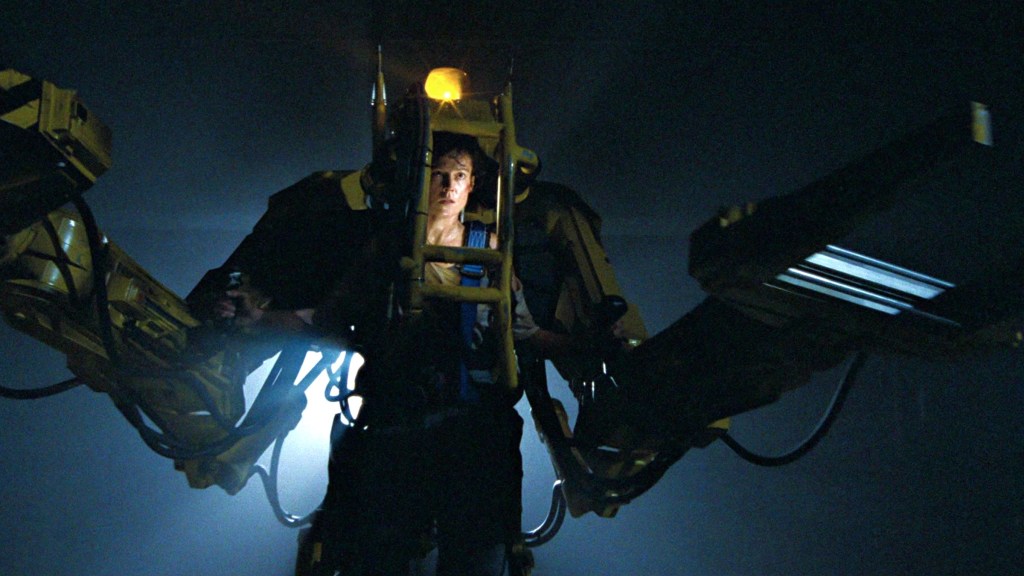
James Cameron’s love for the original Alien is well documented. In an LA Times article published ahead of the release of Aliens, Cameron revealed that he saw the film in a packed audience and was inspired by the impact that it had on them while watching it.
“For a long time, I couldn’t understand why anyone would want to make a sequel of Alien,” Cameron said back in 1986. “To me, it was almost the perfect movie. It set out to do one thing, to create an environment, to make you believe you were in that environment, then just scare the hell out of you as long as you were in there.”
The relationship between Alien and Aliens is so distinct not only because they both almost belong in different sections of the video story, while still working in the same universe, but because the two films are clearly in something of a conversation with each other. From the beginning, the narrative beats that Aliens hits are all meant to call back to similar moments from the first film, often subverting the audience’s expectations. The best example of this is the larger genre shift. Aliens, of course, maintains a thrilling mindset in its setpiece construction, but at the end of the day is an action movie, while Alien is a horror movie.
A specific example of Aliens zigging when Alien zagged, though, is the introduction of Bishop, a character that the marines all know is a synthetic but whom Ripley immediately has distrust for. Fans know why, due to Ash in the first movie not only being a vindictive and homicidal synthetic, but a secret one at that. The movie goes out of its way to never make it clear until the conclusion where Bishop stands, but we live with Ripley’s distrust the entire time.
In the end, the relationship that these two movies have with one another is one of the most distinct things about the franchise itself. Every movie and show that has arrived after in the Alien franchise has found itself almost taking a side, with the influence of one perhaps lingering more than the other (sometimes changing from scene to scene, like in Alien: Romulus). We’ve had both of these movies for decades now, and that these connections can still be found is one reason that re-watching films is such a joy for longtime fans.
The next time you’re doing the Alien and Aliens double feature, keep your eyes and ears open; there might be another easter egg we’ve all missed. Just make sure the egg doesn’t open up.
