

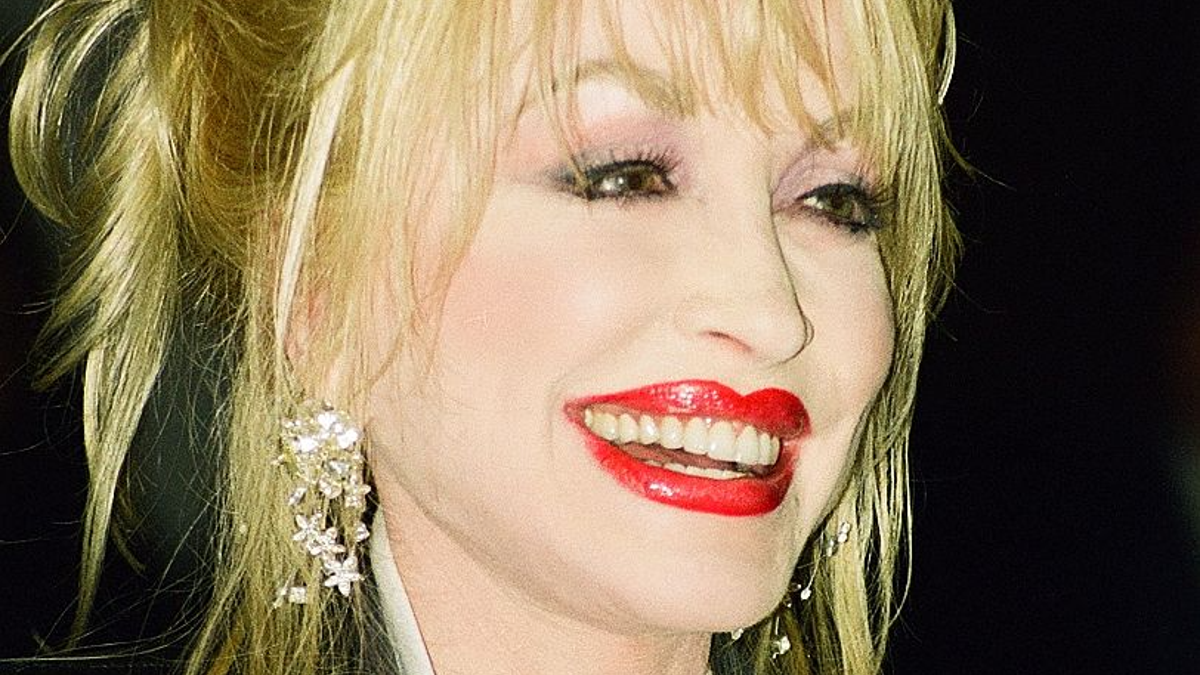

Photo Credit: Dolly Parton at the Kennedy Center by John Mathew Smith / CC by 2.0
Dolly Parton, a cherished American icon, larger-than-life figure in the entertainment industry, and the enduring “Queen of Country,” has died at the age of 80.
Dolly Parton, whose early beginnings in a small town in the mountains of East Tennessee shaped her moral fiber across a celebrated career in both Hollywood and country music, has passed away. Her family confirmed the news with a video posted to her Instagram on Tuesday. She was 80 years old.
Parton’s nephew, Brian Seaver, broke the news with the video posted online. Details surrounding her death were not disclosed, but the artist recently experienced a series of health scares over the last couple of years.
“My name is Brian Seaver, son of Cassie Parton, and I’m representing the Parton and Owens family, today announcing the passing of my aunt, Dolly Rebecca Parton Dean, Sister, Sis, and Granny to one generation and Gigi to the next,” said Seaver in the video.
“This video announcement is something Dolly asked of me years ago, before I fully absorbed it as a future reality. As her head of security for more than two decades, a role my father Larry held before me, I have imagined the heaviness of this moment but haven’t truly felt it ’til now,” he added.
“Rest in peace, Aunt Dolly—Aunt, Granny, Gigi. May God bless Dolly Parton, and may God bless you all. She will always love you,” Seaver concluded.
Parton’s death arrives after she suddenly announced the cancellation of a show in Las Vegas and a planned residency in May. At the time, she said she had been undergoing treatment for kidney stones for several years.
“Lord, they dig more stones out of me a year than the rock quarry in Rockwood, Tennessee,” Dolly said in a statement at the time. “But seriously, my immune system and my digestive system got all out of whack over the past couple, three years, and they’re working real hard on rebuilding and strengthening those, and hopefully I’ll be up to snuff again soon.”
Fans had been concerned earlier in the year when she did not attend a planned appearance at her theme park, Dollywood. She made her first major public appearance in March after that earlier health scare.
Just last Friday, Parton acknowledged that she had struggled since the passing of her husband Carl Dean in March 2025. However, she insisted she wasn’t ready to give up live performance.
“Even though I’m still healin’, I’m still workin’!” she told People. “You know me—as I’ve often said—I’ve dreamed myself into a corner, and I still have so many things I want to achieve, so I’m gonna keep on working as long as I can to see everything come to life.”
Across a 60-plus-year music career, Parton sold over 100 million records and won 11 Grammy Awards, making her one of the best-selling artists of all time. She was also an actress in films like 9 to 5, Steel Magnolias, and The Best Little Whorehouse in Texas.
She also had a strong mind for business, amassing an approximate $650 million fortune and maintaining creative control over her body of work, even in the male-dominated music industry. Dolly was an active philanthropist, launching the Dollywood Foundation to provide poverty relief and fund educational programs in Tennessee.
Parton was also a public supporter of the LGBTQ community, advocating for marriage equality and speaking up in the defense of transgender people.
“I keep saying: ‘If you’re the fine Christian that you think you are, why are you judging people?’” she said during a 2017 interview with Larry King. “That’s God’s job.”
Among her laundry list of contributions to philanthropy, Parton created the Imagination Library, providing free books to children from birth to age five regardless of family income. Parton’s father, Robert Lee Parton, never learned to read or write, which inspired Dolly to help elevate literacy in the poorest parts of the country.
Dolly Parton invested some of the royalties she earned from Whitney Houston’s iconic cover of her song “I Will Always Love You” to invest in an office complex in a historically Black neighborhood in Nashville.
“It was mostly just Black families and people that lived down there,” Parton said. “It was a whole strip mall. And I thought, ‘This is the perfect place for me to be, considering it was Whitney.”
“I just thought, ‘This was great. I’m going to be down here with her people, who are my people as well.’ And so I just love the fact that I spent that money on a complex,” she added. “And I think, ‘This is the house that Whitney built.’”
She promoted women’s equality, supported low-income families, created the My People Fund to help communities affected by the 2016 Tennessee wildfires, and funded scholarships and education. Parton donated $1 million to COVID-19 research at Vanderbilt, funding research that contributed to the development of the Moderna vaccine.
Wherever she went, Dolly Parton used her enormous platform to promote acceptance and compassion. She frequently emphasized that no one should be judged for who they are or whom they love.
A towering figure in the entertainment and philanthropy spaces, Dolly will be missed by all who were touched by her talent and her light.
