

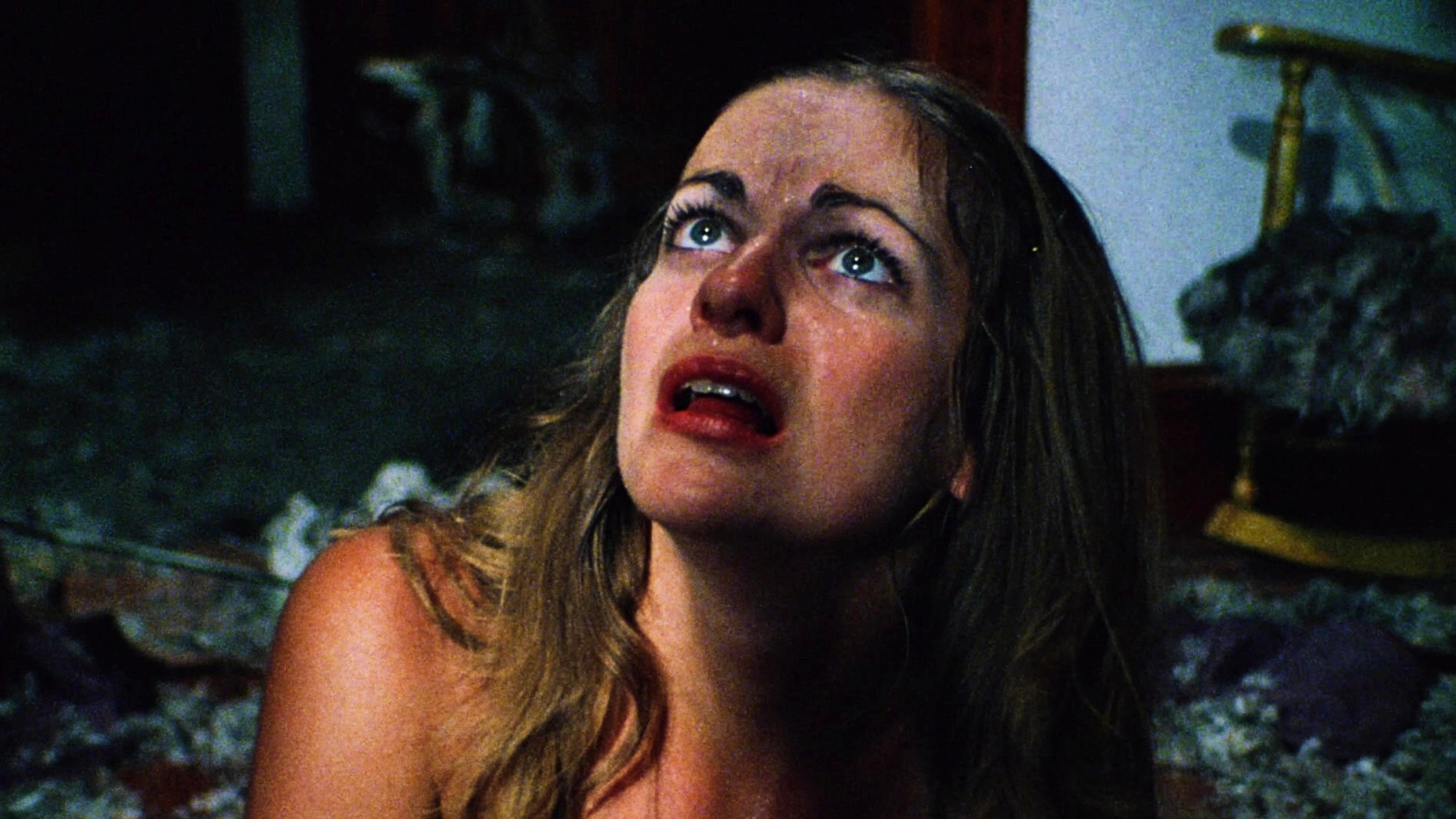
Specific dates that go along with movies is nothing new in Hollywood, especially in the horror genre. As fans are well aware, franchises like Halloween and Friday the 13th are quite literally built around days on the calendar that pass by us every year. For both of these, they came with the territory as already being a fixture in the mind of the audience. Halloween, of course, gives us the autumn season but built-in aesthetics to go along with the holiday, while Friday the 13th has been associated with bad luck for hundreds of years. Another famous example was the remake of The Omen, which arrived on the June 6, 2006 release date to capitalize on the “666” tie-in with the movie’s content.
Videos by ComicBook.com
Perhaps the most famous date in horror movie history, though, is not associated with anything else but the events of the film that it takes place on, and it’s actually today. August 18 has officially been dubbed “Chain Saw Day” by both fans and the filmmakers as a way to celebrate Tobe Hooper’s classic movie, The Texas Chain Saw Massacre. Though the movie itself wasn’t released until October of 1974, the opening titles of the film establish that the entire movie happens on this date, August 18, 1973 (53 years ago today), and in doing so secured it as one of the most iconic movie dates ever, and one no other film can really claim.
The Texas Chainsaw Massacre Tricked Audiences
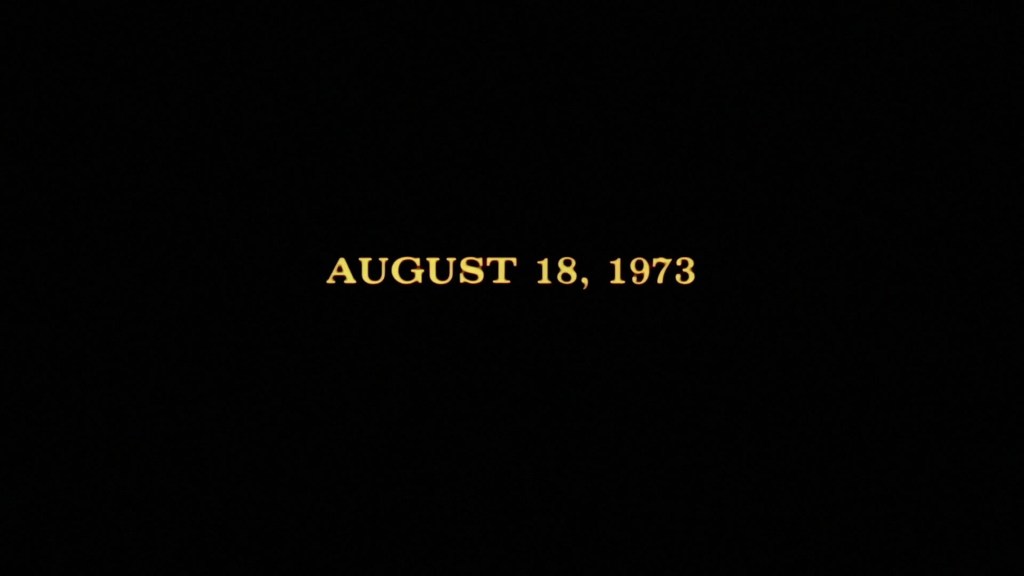
The opening titles for The Texas Chain Saw Massacre not only set the stage for the mayhem that is going to ensue, but also make it clear that the carnage found over the next 80 minutes all happens in just one calendar day, which it then puts on screen. At the time of release, the film was sold with a very specific strategy that (up until a few years ago) was a great one to get audiences into theaters: implying the entire thing was real.
“The film which you are about to see is an account of the tragedy which befell a group of five youths,” the text begins, in the dulcet tones of John Larroquette. “For them an idyllic summer afternoon drive became a nightmare. The events of that day were to lead to the discovery of one of the most bizarre crimes in the annals of American history — The Texas Chain Saw Massacre.”
The movie itself implying that everything that happens in it is based on something that actually happened is just one piece of the puzzle. As noted, by putting the date it all takes place a year in the past, the movie could make itself feel even more real, but it’s only a piece of the larger puzzle that convinced audiences that it was. Though the most famous tagline used on the poser for Chain Saw is “Who Will Survive and What Will Be Left of Them?” the movie also had another that it would position under the title, adding two words: “It happened!”
Given the time it debuted, it was easy to pull a trick like this on the audience. Life in America wasn’t sunshine and rainbows; with the oil crisis, a recession, and gruesome coverage of the Vietnam War all being broadcast every night into people’s homes, it used the aesthetics of the era and the way news was presented to ground itself, making it feel real on top of telling you that it was real. To their credit, it worked; many fans believed the film was a real story, that Leatherface and his clan existed, but as they say, why let the truth get in the way of a good story.
The Texas Chain Saw Massacre Is a Bad Day for Sally
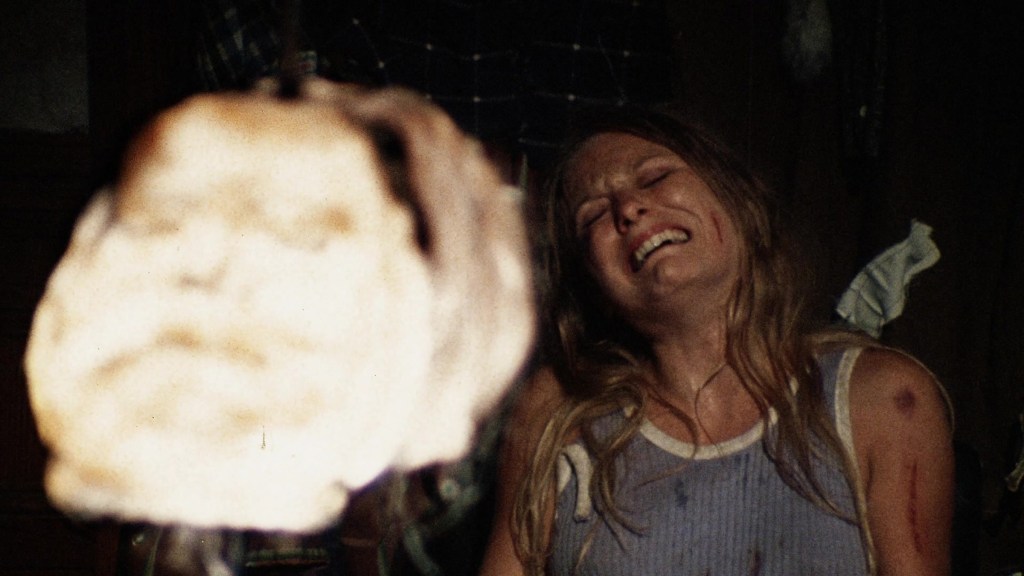
As noted, The Texas Chain Saw Massacre‘s entire narrative is set against the backdrop of just one day, and Hooper and his co-writer Kim Henkel managed to squeeze a shocking amount of nightmares into that short time frame. In what can best be described as a “terrible, horrible, no good, very bad day,” Sally Hardesty endures a lot over the course of the brisk runtime of the film, having all of her friends slowly disappear out in the Texas wasteland, only to be confronted by a chainsaw-wielding maniac wearing the face of one of his victims and then stumbling upon an entire family of cannibals.
The single-day framing for The Texas Chain Saw Massacre is one of the narrative details in the movie that gives it so much power. Some horror films, like The Shining, Jaws, or even recent hits like Obsession, have a larger timeframe, which comes with some respite from the terror (these characters have to sleep and eat meals after all), but for Chain Saw there’s not a moment of rest.
A piece of context in the larger story for The Texas Chain Saw Massacre is that Sally wants to check on her grandfather’s remains after reports of grave robbing in the area, coupled with their encounter with the hitchhiker and the beginning of the movie is anything but a nice time before the terror. Only one scene in the entire movie offers a moment for Sally to breathe, and, though it luckily comes after she’s been chased relentlessly by Leatherface, it’s hardly a break.
That all of what happens in the movie occurs in just a matter of hours is one of the things that gives Sally’s final escape in the closing minutes even more weight. After flagging down a vehicle and climbing in the back of the truck to escape, Sally’s screaming gives way to laughter, a manic response of relief to the ordeal she’s just endured and the depravity she’s witnessed firsthand.
Unlike other horror movie franchises built around a day, the films that would follow The Texas Chain Saw Massacre (both sequels and prequels) never recaptured the magic of the first, and none of them stuck to that original date as being something of importance. The result is that August 18, 1973, is now forever associated with only the first film in the series, which
