

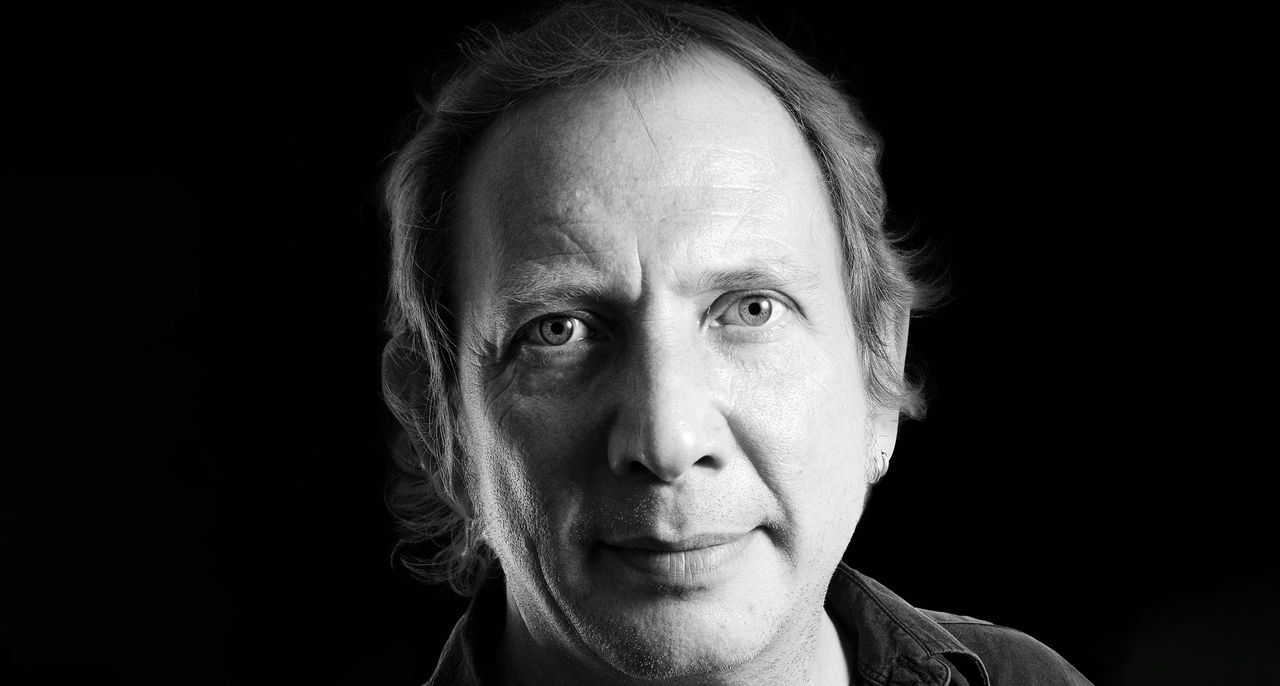
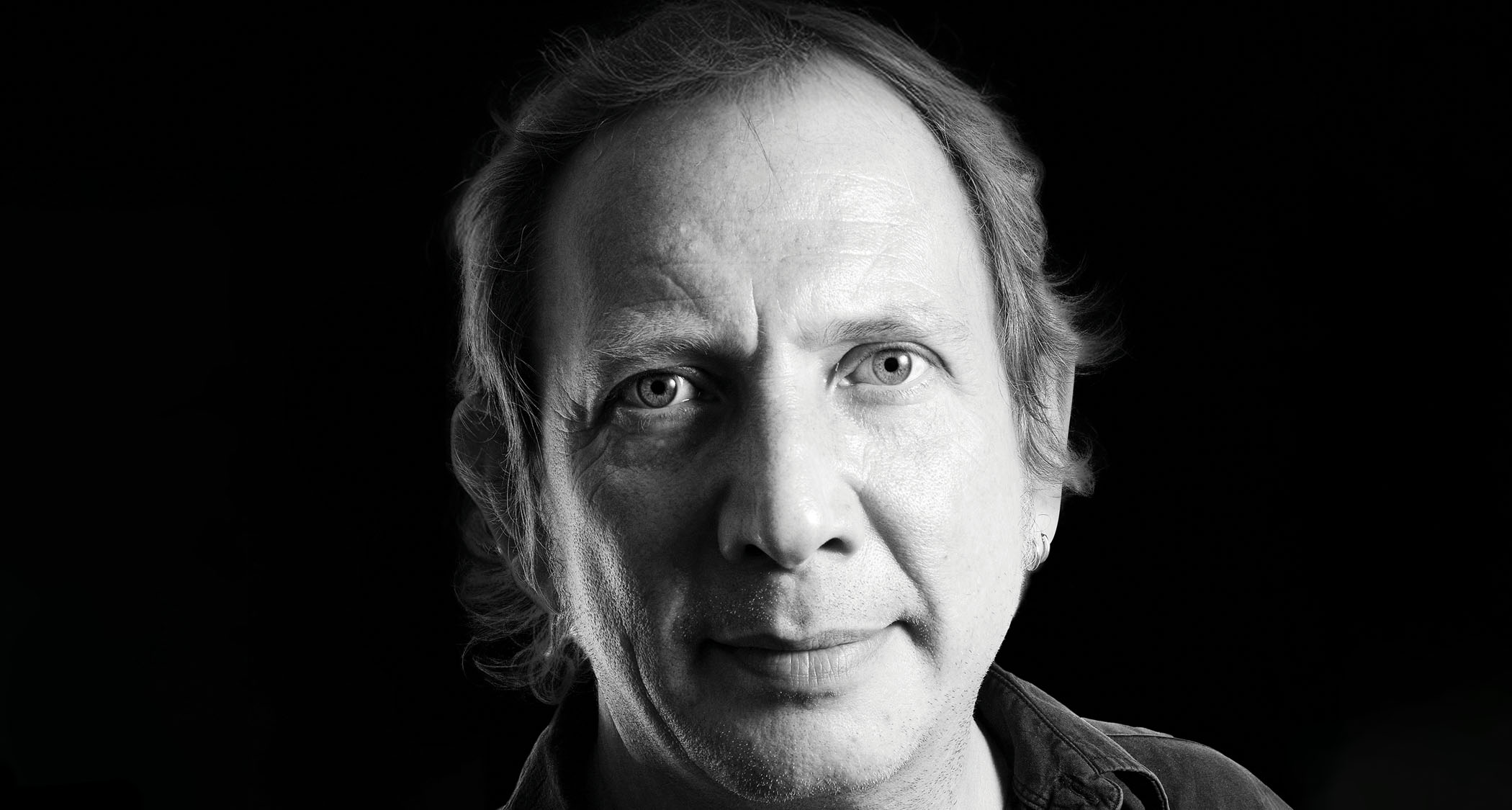
Of all the obituaries relating to industry figures that we have published in past months, this one has been the hardest to write.
When you lose a member of a tightly knit team suddenly and unexpectedly, it’s akin to grieving a family member. And the sense of loss is definitely on that kind of level among the magazine staff. After all, Dave was entrenched in guitar journalism well before any of us had even thought of doing what we do today.
Despite being such a well-known music industry figure, Dave Burrluck was an intensely private individual who rarely, if ever, talked about himself – unless it was related to guitars, of course. His father was an instrument builder and this was a course Dave set himself on at one phase of his career.
Building guitars was to set him up for his later role as a discriminating critic of guitar builds far and wide, as well as being an advisor and enthusiastic voice at the other end of the phone to many luthiers, eager to learn from the vast wealth of experience he had gained over the years.
Seth Baccus tells us: “I first met Dave nearly 30 years ago through Andy and Hugh Manson. Dave was always a passionate champion of British guitar makers, and both Andy and Hugh held him in the highest regard.
“When I began building guitars, Dave was incredibly supportive and encouraging. His kind words about my work over the years meant more to me than he probably ever knew. He was always generous with his time, knowledge and wisdom, all delivered with his wicked sense of humour. Dave undoubtedly left the guitar world a better place than he found it, and we all owe him a debt of gratitude.”
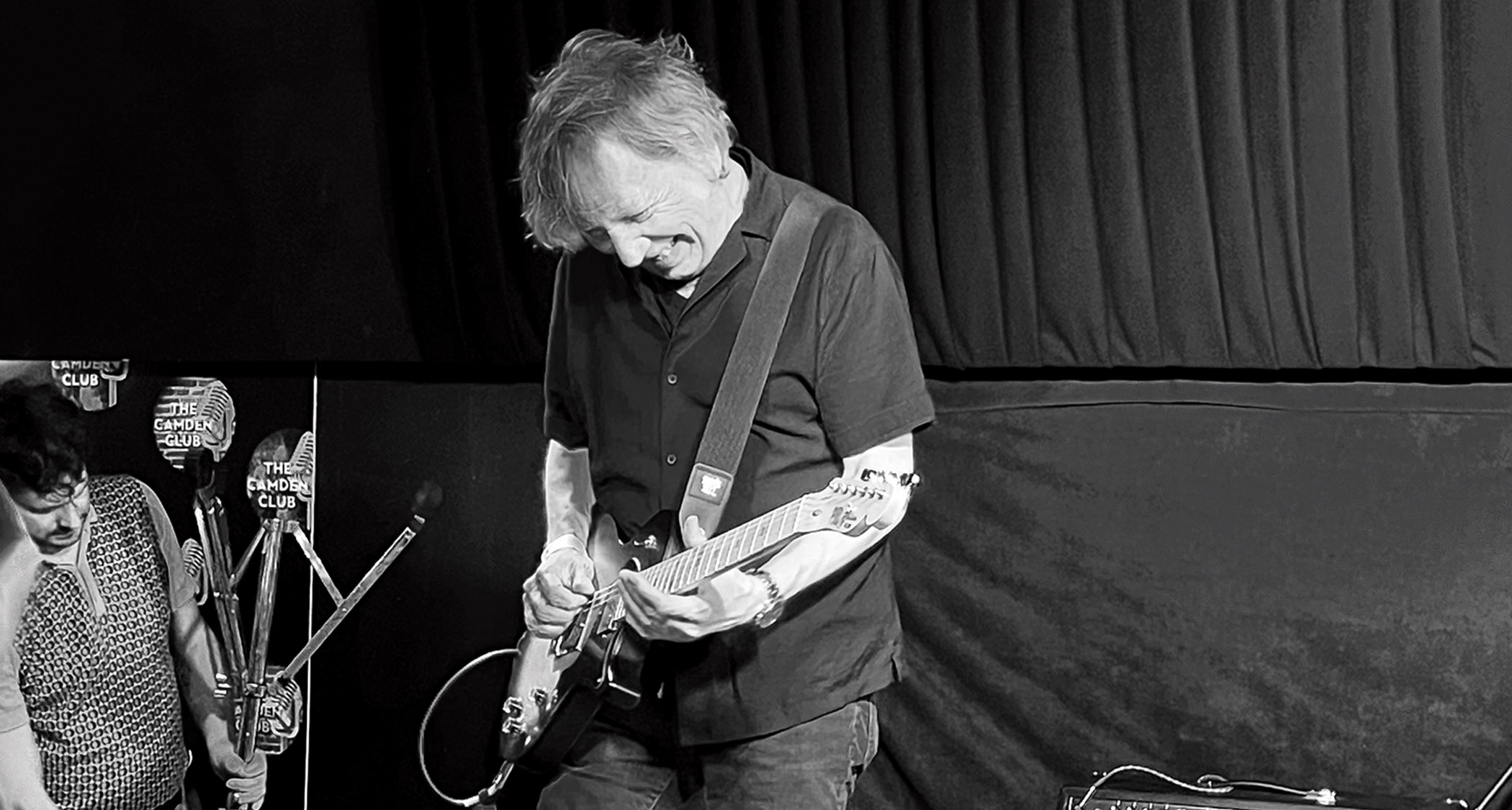
Naturally, building, modding and generally tinkering with guitars wasn’t everything within Dave’s compass. He was also a fine guitarist, too, having played in bands from his teenage years right up until illness claimed him. We spoke to James Digings, who played drums in one of Dave’s early music adventures.
“I first met him in Colchester when we were both about 15,” James tells Guitarist, “and we started playing in a local band called Firebird, which was a four-piece (guitar, bass, keyboards, drums) playing fairly heavy rock: Uriah Heep, Black Sabbath, et cetera. I was on drums, and Dave was the first guitarist I ever played with, using guitars he made himself under the guidance of his father, who made a variety of instruments in his home workshop.
“He was an impressive guitar player, but I don’t think he was totally committed to the heavy rock genre, as I remember him playing me a Lindisfarne LP, saying they were his favourite band.”
This early experience of the music business very nearly led to success – and could have set the teenage Dave on a very different course.
“After I left Firebird,” James continues, “they were mysteriously ‘discovered’ by ’70s pop impresario Barry Blue, producer of early hits for the band Heatwave, such as Boogie Nights and Always And Forever. He changed the band’s name to Patches, dressed them in patched outfits, and wrote a single for them called Telltale, which was a big hit in Colchester but sadly nowhere else.”
Steve French, who played keyboards with Patches, remembers: “We did the national TV show Rock On 45 but sadly failed to trouble the Top 40. After a couple more failed singles, Dave decided to go to college to study English or journalism.”

Alas, with fame in the halls of rock ’n’ roll eluding the young Dave, he soon found himself writing for International Musician & Recording World where his experience as both player and builder came into play.
That magazine morphed into The Guitar Magazine in the early 1990s and was seen as a rival to Guitarist, but that rivalry was always friendly – after all, we all did the same job, it’s just that we saluted different flags. While he was with The Guitar Magazine Dave wrote The Player’s Guide To Guitar Maintenance (Balafon/Backbeat, 1998), which became something of a must-have among guitarists eager to tweak their instruments under his guidance.
Another book of Dave’s that became an essential reference was The PRS Guitar Book (Outline Press, 1999). Since its initial release, the book has received several updated and revised editions, including a notable third edition released in 2007, and The PRS Electric Guitar Book followed in 2014.
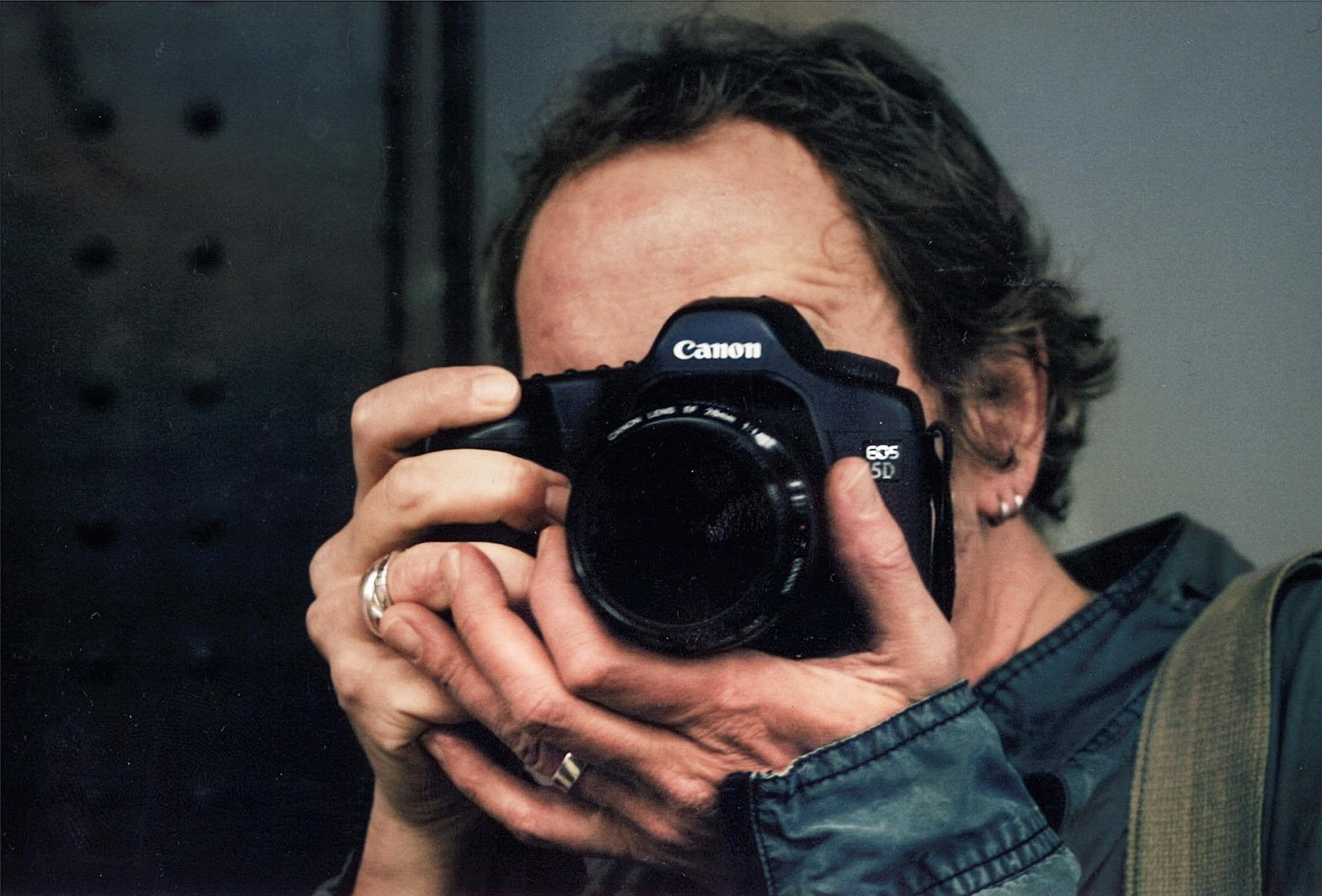
It was around the turn of the century that Dave joined the ranks of Guitarist as reviews editor, serving under Neville Marten, Mick Taylor and Jamie Dickson, respectively, as editors.
His enthusiasm was infectious. His knowledge of guitars and those who build and play them, massive
Patrick Eggle
Here, Dave’s reputation blossomed further and, judging from the outpouring of love and respect for him when we announced his passing on social media, he was to become known as one of the world’s top authorities on guitars. His depth of knowledge really was that astounding.
His voice in reviews was always fair and precise, and his passion for instrument tinkering was embodied in his Guitarist column ‘The Mod Squad’, which quickly became the flagship resource for DIY tweakers and amateur builders alike.
But pro builders would often run ideas past him, too. We’ll leave the final words to another great British builder, Patrick Eggle: “I never had a quick chat with Dave, this was virtually impossible. His enthusiasm was infectious. His knowledge of guitars and those who build and play them, massive.
“I will miss our conversations, his encouragement and sage advice. I’ve got a new model of guitar almost finished. I really, really wanted him to see it…”
- This article first appeared in Guitarist. Subscribe and save.
