

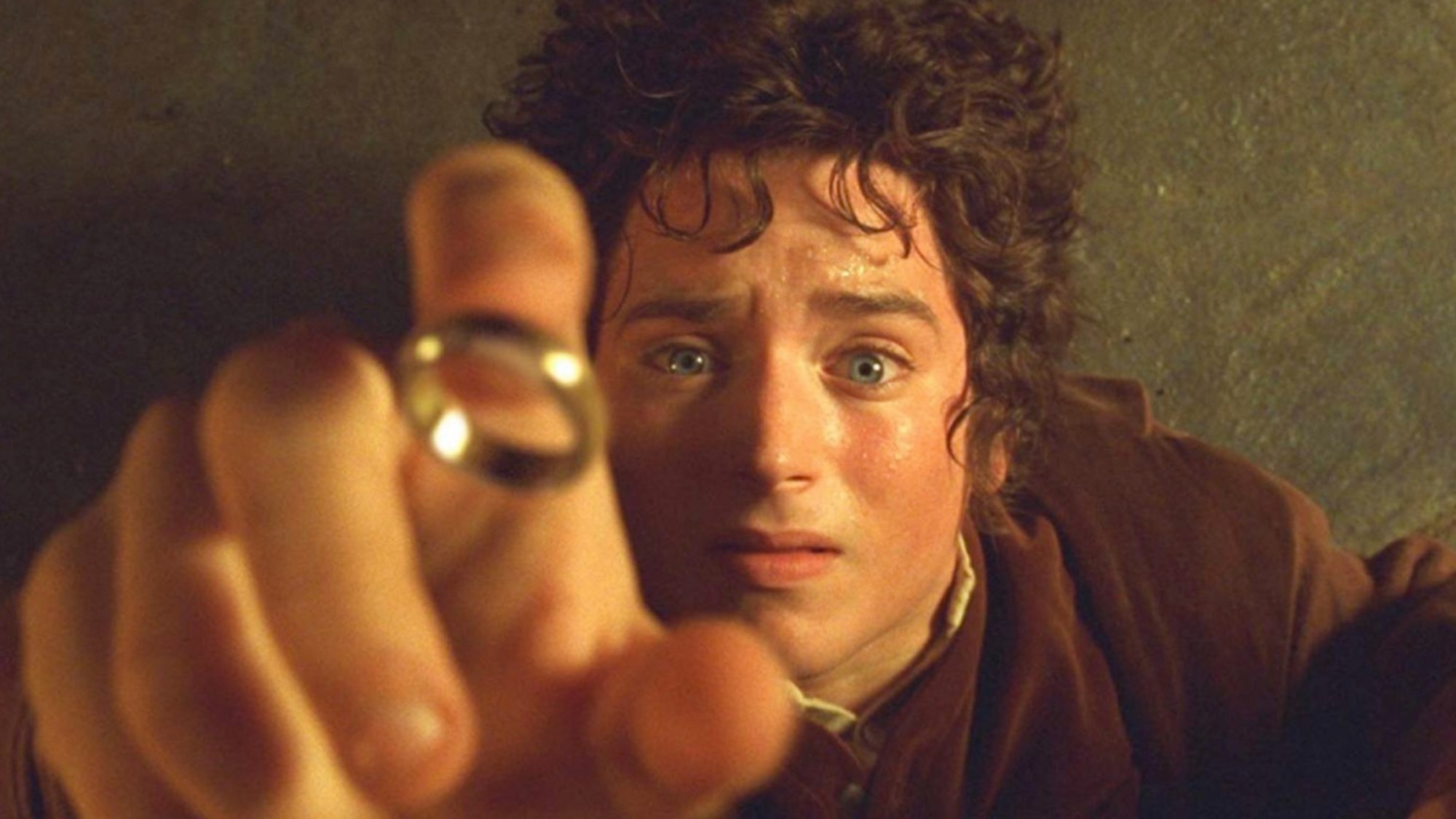
There’s no question that The Lord of the Rings is an incredible franchise. Although Peter Jackson’s trilogy of movies based on The Hobbit didn’t perform nearly as well as his other Lord of the Rings movies, these movies on the whole continue to be seen as some of the greatest fantasy films of all time, and J.R.R. Tolkien’s Lord of the Rings books remain among the best fantasy novels ever written, with many fans arguing that they are the best overall. Yet, even brilliant stories have flaws; that’s just the nature of books and movies.
Videos by ComicBook.com
This includes issues with The Lord of the Rings: The Fellowship of the Ring, The Lord of the Rings: The Two Towers, and The Lord of the Rings: The Return of the King, as much as fans of the books and movies may not want to admit it. In terms of the former in particular, especially Jackson’s movie adaptation, there are several things about it that don’t make sense. These 5 are some of the most prominent.
The Fellowship of the Ring Is the Weakest Movie in the Trilogy

Easily one of the most difficult things to accept about The Fellowship of the Ring is the fact that it’s not as strong as the other two installments in the original trilogy of movies. That isn’t to say The Fellowship of the Ring is bad—far from it. Like all three movies, The Fellowship of the Ring is visually stunning, perfectly cast, and emotionally profound. However, The Two Towers and The Return of the King are arguably much more fun to watch and rewatch.
This is particularly impressive for The Two Towers, as second movies in trilogies are notoriously difficult because they can just feel like filler or little more than a bridge between the first and final movies. The Two Towers is the rare exception, though, and it could reasonably be argued that The Two Towers is actually the strongest in the trilogy overall, matching The Empire Strikes Back’s placement among Star Wars’ best movies. While that’s good news for The Two Towers, however, it’s not great for The Fellowship of the Ring.
The Riddle to Enter Moria Was a Bit Goofy

Although a smaller point of contention, yet another harsh truth about The Fellowship of the Ring is regarding the riddle to get into the Mines of Moria. Specifically, the entryway to Moria says, “Speak friend and enter,” which perplexes even the wise wizard Gandalf. At first, he tells Frodo that this simply means that if one wants a friend, they need only to speak the password and the doors will open. Ultimately, though, Frodo realizes that it is asking for the Elvish word for friend, “Mellon,” which immediately opens the door.
The ‘riddle’ here is seemingly based on the assumption that those attempting to enter Moria will overcomplicate what this statement means, as was the case with Gandalf. Even with that understanding of the riddle, though, this does come off as a bit goofy and too obvious, which feels out of place in a movie that is otherwise so well-crafted and even philosophical in many ways.
Removing Tom Bombadil Was the Right Decision for the Movie
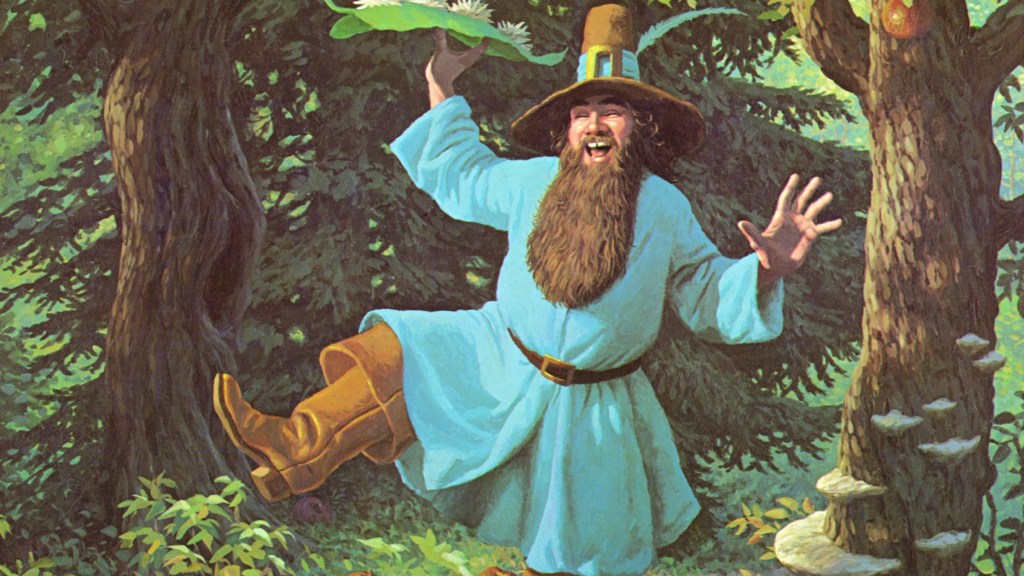
One of the biggest complaints that audiences have long had about The Fellowship of the Ring was the removal of the powerful character Tom Bombadil from the books. For many, this was a massive omission that took away a fan-favorite part of Tolkien’s story. However, the difficult truth is that this made sense for the story that Jackson was trying to tell on the screen. Already, the run times of Jackson’s original trilogy of movies are staggeringly long (not to mention how long they become with the extended editions).
Trying to fit Tom Bombadil into that narrative, especially considering how complicated and already quite confusing the character is, simply wouldn’t have worked. Fans may get what they were hoping for in an upcoming movie, however, as one of the upcoming Lord of the Rings projects, The Lord of the Rings: Shadow of the Past, will revisit certain chapters from The Fellowship of the Ring that weren’t included in Jackson’s movies. Presumably, this could include Tom Bombadil.
Several Characters Have No Development in the Movie

It’s a long-running joke within the Lord of the Rings fanbase that Frodo doesn’t actually know Legolas’ name because, not only does he never say it, but also, the two only exchange one bit of dialogue, when Legolas offers Frodo his bow as the Fellowship is being formed in The Fellowship of the Ring. While that theory is funny (but not true), it actually gets at a more serious issue with the movie. Namely, certain characters go completely undeveloped.
That definitely includes Legolas, but it’s also true of Gimli. Both characters remain pretty flat in The Fellowship of the Ring, yet they become so much more important in The Two Towers and The Return of the King. It’s true that the Fellowship comprised nine members, and that’s a tall order in terms of fleshing every single character out. Arguably, though, this comes down, at least in part, to a pacing issue, which sidelines several characters until the next two installments.
The Movie’s Time Gap Doesn’t Make Sense

Finally, Lord of the Rings fans who have only seen the movies may not know that there is actually supposed to be a 17-year gap between when Bilbo Baggins leaves the Shire and when Gandalf returns to send Frodo on his journey to Rivendell. In The Fellowship of the Ring movie, it isn’t clear exactly how much time passes, but it definitely doesn’t feel like 17 years. Within that movie and even the larger trilogy, it’s not a huge deal. It’s about to become a much more significant issue with a new Lord of the Rings movie, though.
Namely, The Lord of the Rings: The Hunt for Gollum will revisit this gap in time towards the beginning of The Fellowship of the Ring and will presumably match the book’s 17-year gap or at least close to it. That will almost certainly create issues for The Fellowship of the Ring retroactively, as it just won’t make sense for this much time to have passed in that movie.
What do you think? Leave a comment below and join the conversation now in the ComicBook Forum!
