

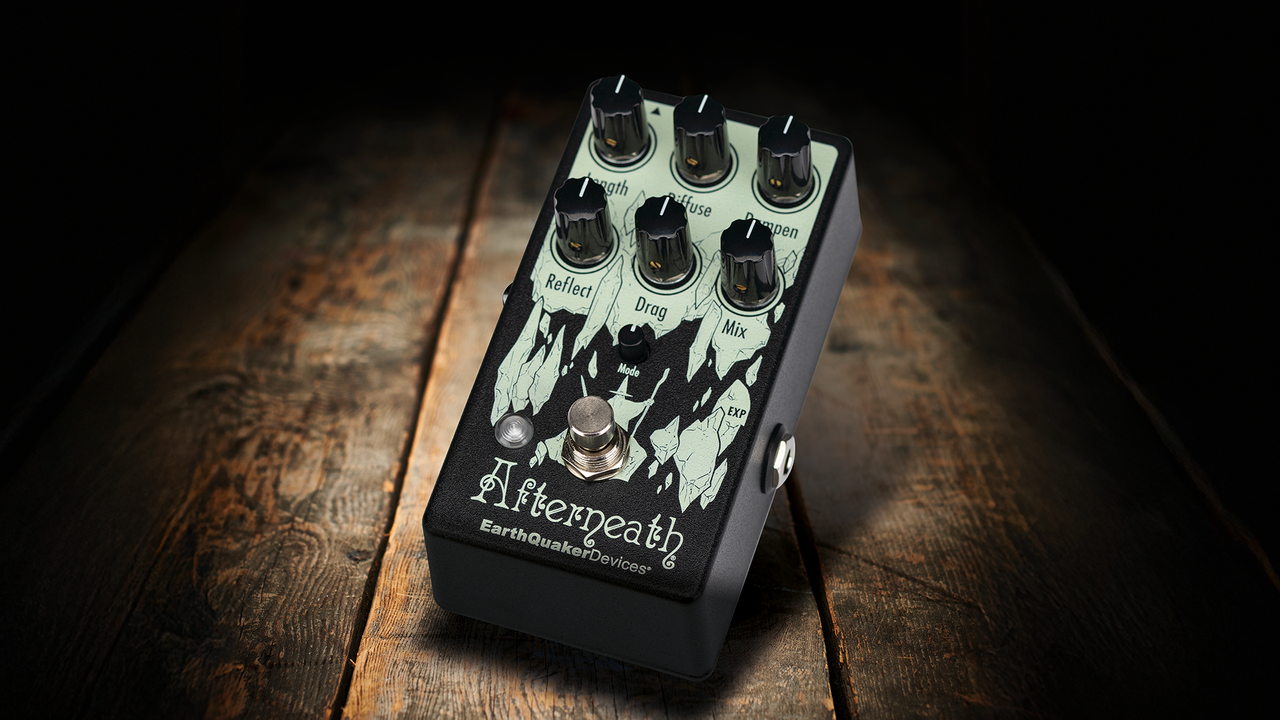
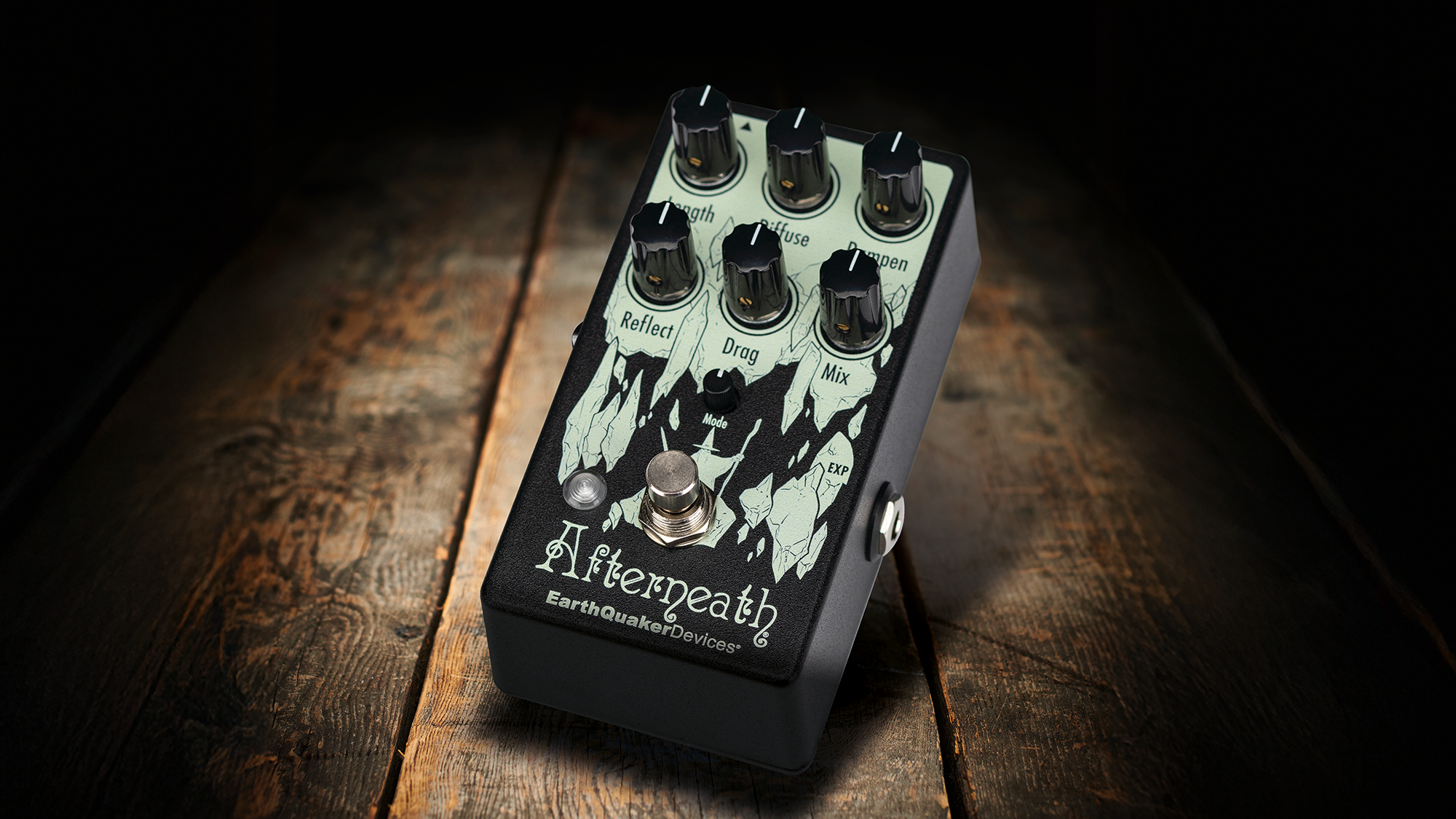
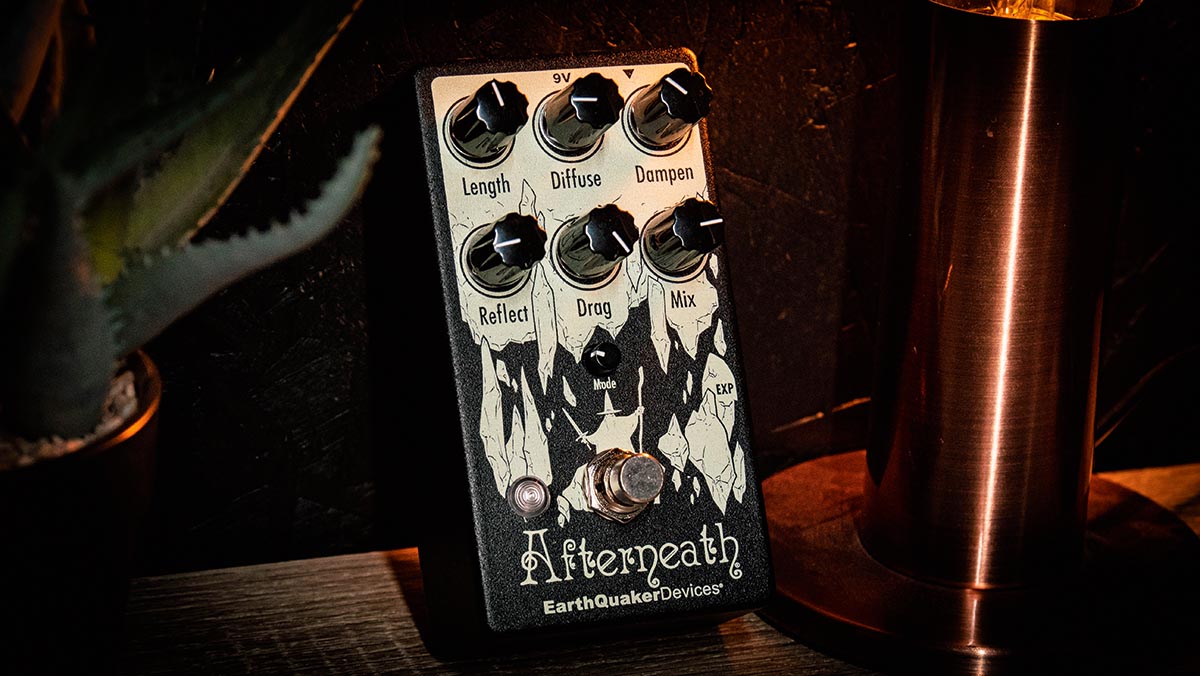
As founder of EarthQuaker Devices, Jamie Stillman hasn’t just been at the forefront of the boutique effects boom, he’s shaped its direction with a spirit for left-field turns. None more so than with his trailblazing approach to reverb that manifested with the Afterneath.
First released in 2014, with a few iterations since, it did more than change the scale of EarthQuaker’s operations – based in Akron, Ohio, under Jamie and CEO (and wife) Julie Robbins – it inspired other makers to explore new realms of creativity with reverb pedals.
Article continues below
EarthQuaker’s work with digital time-based effects allows for easier editing in the design process, but that doesn’t mean it’s a speedy process.
“I find that none of the reverb development is ever quick,” Jamie says. “I usually spend six months off and on, sometimes a year. I’ll take it around to a bunch of amps and a bunch of guitars and be like, ‘We’ve really got to rein this in.’
“Then once you dial in that sound, a lot of times I’m looking to do something a little bit more experimental with it. So maybe it could be adding in octaves or adding in modulation. And then that’s where I’ll start to investigate.”
But the Afterneath pedal was different: a delay-based reverb capable of delivering the huge soundscapes that Jamie loves as a designer and musician but with a twist or three. Nowadays we’re used to seeing leftfield pedals like this from boutique and mainstream brands, but they simply weren’t on the market before the Afterneath caused a huge stir.

Jamie says: “When the Afterneath came out, I don’t believe there was any experimental reverb pedal category like there is today. I feel like it’s the first. Quote me on that, I guess! But this is exactly how I describe it – it was kind of experimenting with reverb.
“We had this processor that I was using a lot for other pedals,” he explains, “and I stumbled across what I think is the selling feature, the kind of repeating, almost multi-tap delay. But, really, it sounds like reverb with all these – for lack of a better term – ‘pinging reflections’ that come in and out. So I stumbled on it by accident.
“I changed something in the code, went and tested it and was like, ‘Oh my God, this is not what I wanted to happen… but this is amazing.’ And then I figured out how to exploit that a little bit further.”
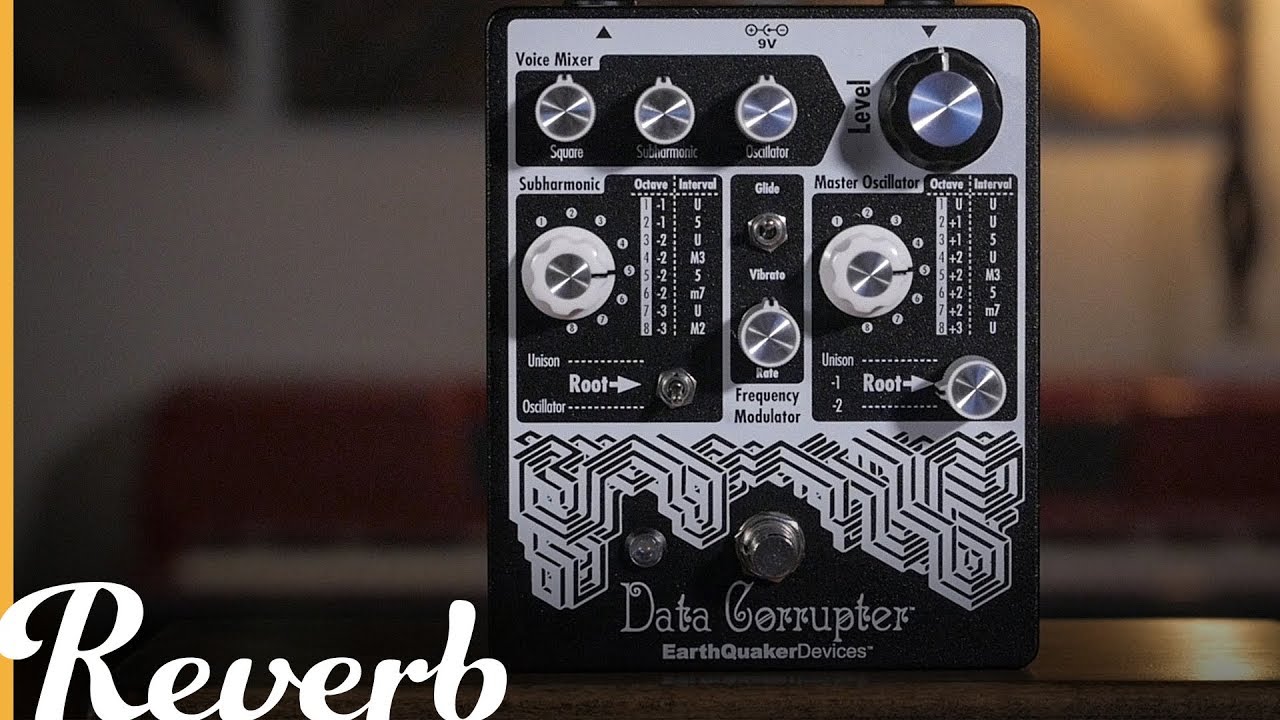
EarthQuaker Devices Data Corrupter Modulated Monophonic Harmonizer | Reverb Demo Video – YouTube
Rapid Expansion
The Afterneath remains a bit of an anomaly for an EarthQuaker Devices reverb, as Jamie explains: “This pedal actually came together pretty quickly, and I don’t know if I’ve ever been more excited by a product in the development stage. Where it’s like, I got it to this point and I’m not touching a thing. And I’m going to show it to people and see what they think. Everybody who got to play it was kind of mesmerised by it.”
It quickly became a significant hit with players, especially in post-rock circles. So much so, the company had to change the way it operated.
“We had to bring in eight employees – eight new employees on one day just to keep up with the production of it when it came out,” Jamie says.
The Afterneath’s legacy wasn’t just one that concerned the company’s scale (EarthQuaker now employs more than 30 people) but how Jamie moved forward with boldly ambient effects alongside EarthQuaker’s overdrive and fuzz catalogue.
I do feel like the Afterneath put us on the map for people to say, ‘Okay, they can make experimental stuff that is really musical and useful’
“It seemed like permission to do other really weird things,” he reflects. “We had already done the Rainbow Machine, and it was really starting to catch on at that point when it came out, but the Afterneath kind of opened the door to doing other stuff, such as the Transmisser, Arpanoid and Data Corrupter, and eventually the Astral Destiny.
“Up until that point, the more esoteric pedals did well for us, but it was always the ‘bread and butter’ pedals that brought in the money to keep the lights on and keep our employees paid.
“But I do feel like the Afterneath put us on the map for people to say, ‘Okay, they can make experimental stuff that is really musical and useful.’ You don’t just have to be a weird noise musician to use them – they can find a place in traditional music, too.”
As for the legacy of pedal builders impressing him on the reverb side of things these days, Jamie is full of praise for this era of experimentalists.
“I think the last year has been one of the best years for pedals. There have been some really interesting things around, such as the Kinotone pedals. I think they’re gonna be huge at some point. But I just found them on Reverb – the Ribbons pedal is really cool.
“Old Blood Noise Endeavors put out a pedal called Bathing [Liminal Delay] that I love. And Chase Bliss’s Lost + Found – that thing is pretty mindblowing, too. I watched videos on it and then I bought one.”
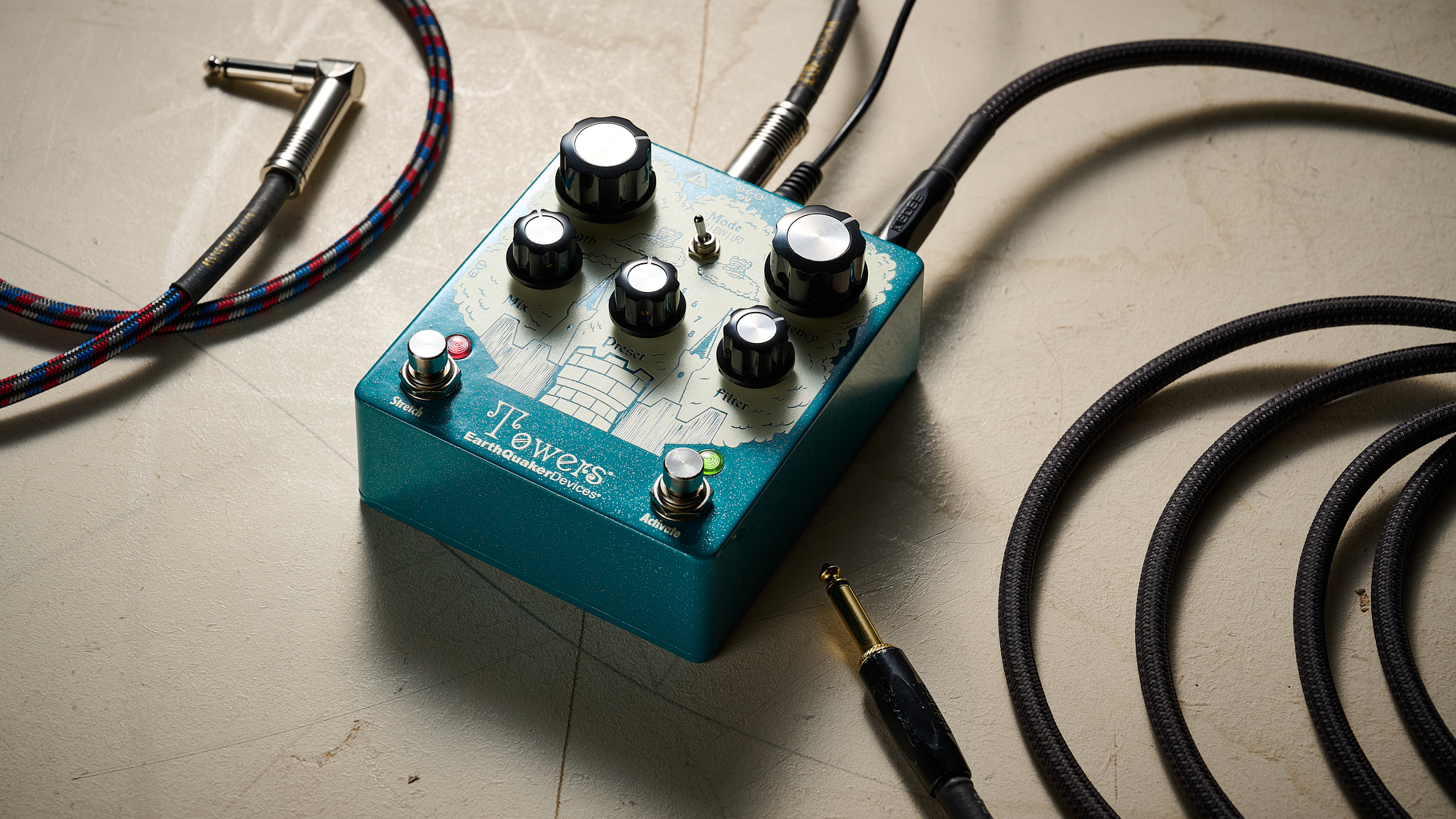
EarthQuaker Devices Towers Soundscape Generator Pedal Demo with Jamie Stillman – YouTube
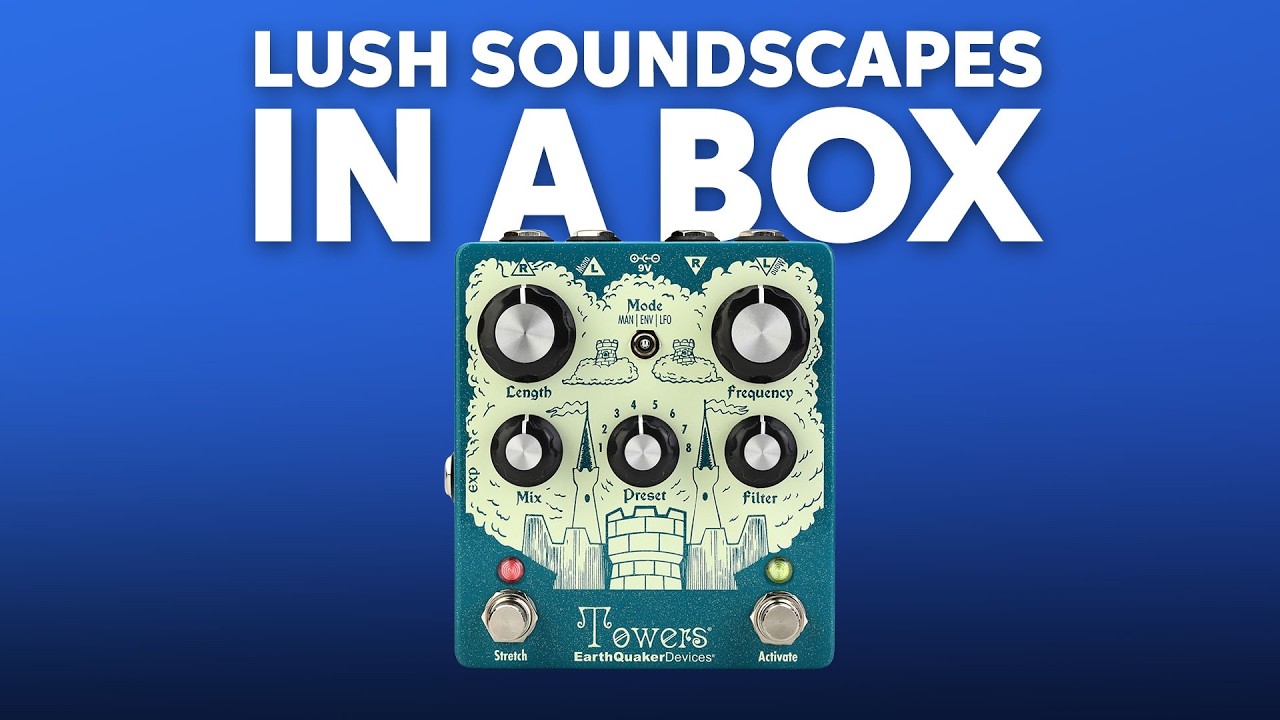
These pedals hone in on specific sonic realms for players to explore, and this is happening while do-it-all effects and amp modellers continue to grow and evolve. But there’s still a healthy appetite for the simpler and “more manageable” devices, and Jamie has had an increasing sense of that recently.
“Speaking as a player and a judgmental person,” he says, “everything has gotten so complicated. Last year it was like, ‘Well, if it’s not an iPad with a bunch of switches on it, I’m not interested.’ I feel like everyone thought the next thing should be one thing that does it all for an extraordinary price tag.
“Of course, there’s a market for that, but I don’t think that’s the answer to creativity. I think the less complications there are between you and actually creating art with it, the better.”
Three EarthQuaker classics
Afterneath Enhanced Otherworldly Reverberator – $219/£229
Afterneath Enhanced Otherworldly Reverberator Video Manual | EarthQuaker Devices – YouTube

“This current revision is a buffered bypass, so it’ll tail, and it has expression control over the Drag, which then operates in a couple of modes.
“But it’s a confusing thing to explain because it’s like a change in pitch, but there’s actually no pitch shifting happening in the audio path. It’s the sound of the clock changing the processor, right? But we figured out what frequency ranges create notes out of it. So that’s how it’s changing.”
Dispatch Master Digital Delay & Reverb – $199/£205
Dispatch Master Digital Delay and Reverb Video Manual | EarthQuaker Devices – YouTube

“The Dispatch Master is a mainstay for us. You can put the controls anywhere – it sounds good. It’s been used on everything from chaotic noise to death metal to being a secret weapon in Nashville studios for pedal steel.
“It’s a great platform for delay and reverb. And also, when it came out there was no option for a compact delay and reverb pedal. There was the Boss RV-3, but it was out of production.”
Rainbow Machine Polyphonic Pitch Mesmerizer – $229/£245
EarthQuaker Devices Retrospective Ep. 2 – Rainbow Machine Polyphonic Pitch Mesmerizer – YouTube
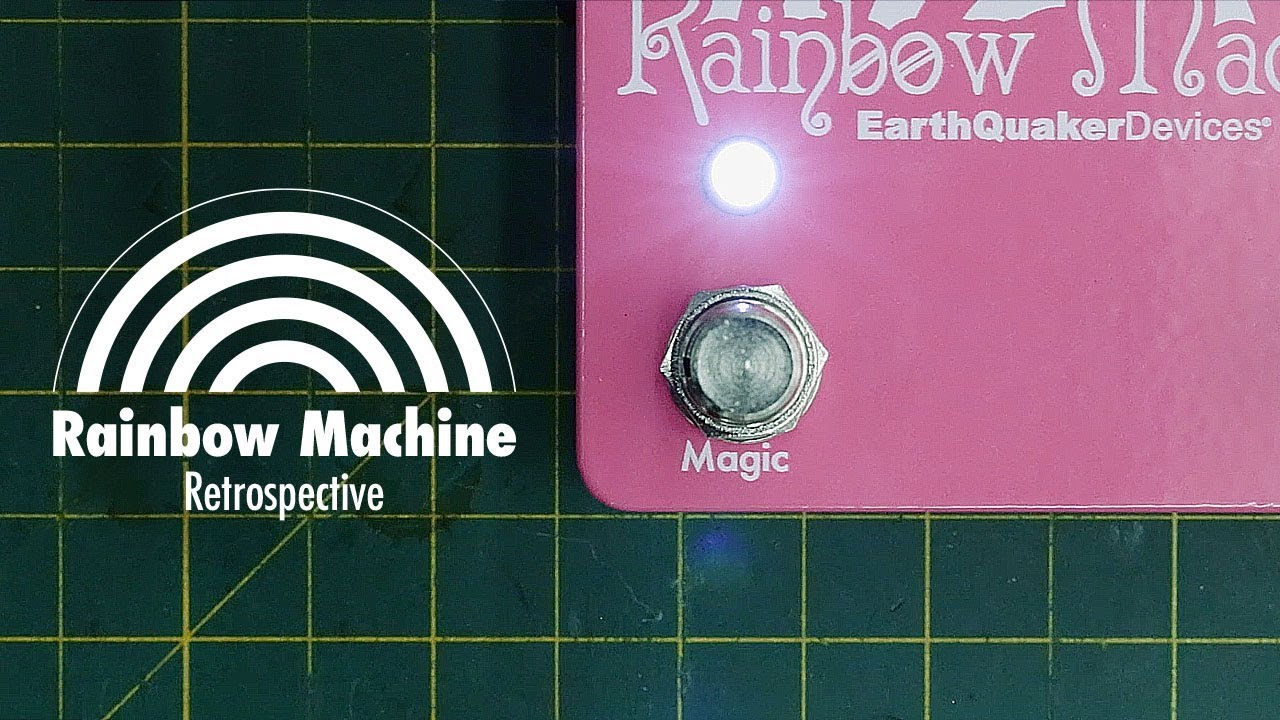
“This is one of our most misunderstood pedals. A lot of people know it for what I like to call ‘the magic pixie dust sound’, but it can do a whole lot more. Part of the key is understanding what the controls are doing.
“The weird control is Secondary: it takes that primary output signal and feeds it back through. So you’re getting something that is similar to an octave of that primary output, and a harmony of it at the same time.”
- Find out more at EarthQuaker Devices.
- “It’s like a Christopher Nolan movie in a pedal. Don’t think – feel”: EarthQuaker Devices Towers review
- This article first appeared in Guitarist. Subscribe and save.
” data-join-the-conversation-text=”Join the Conversation”>
You must confirm your public display name before commenting
Please logout and then login again, you will then be prompted to enter your display name.
