

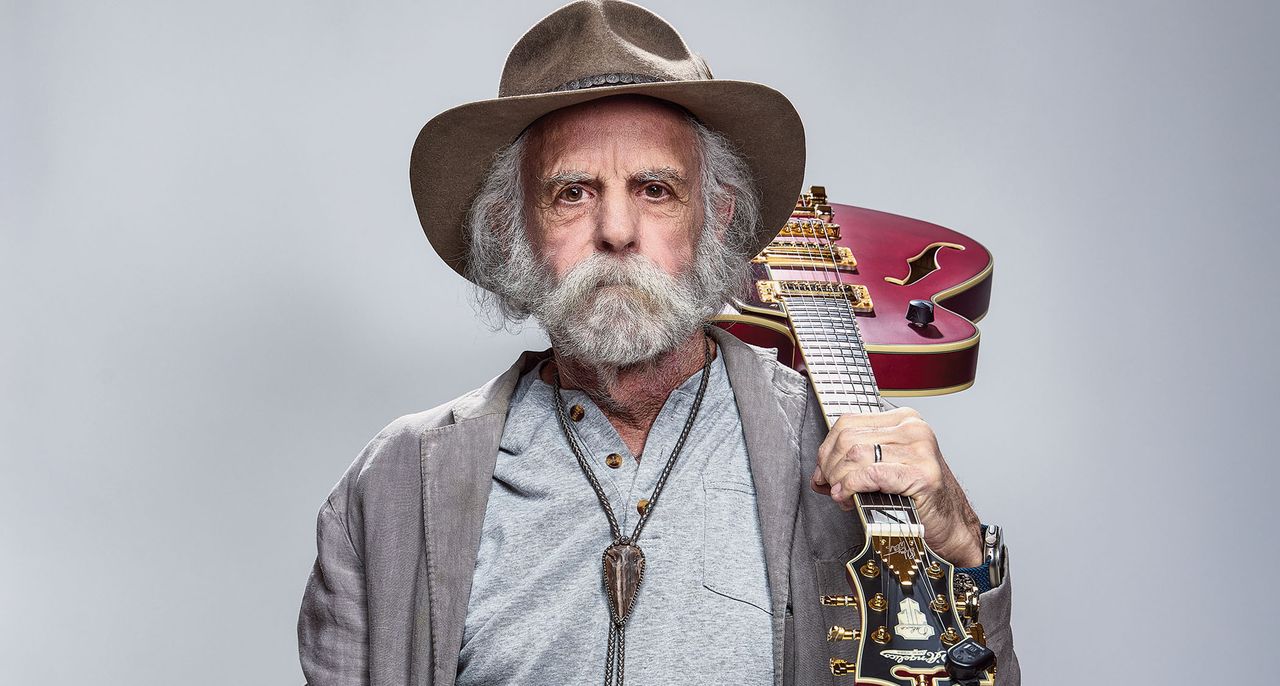
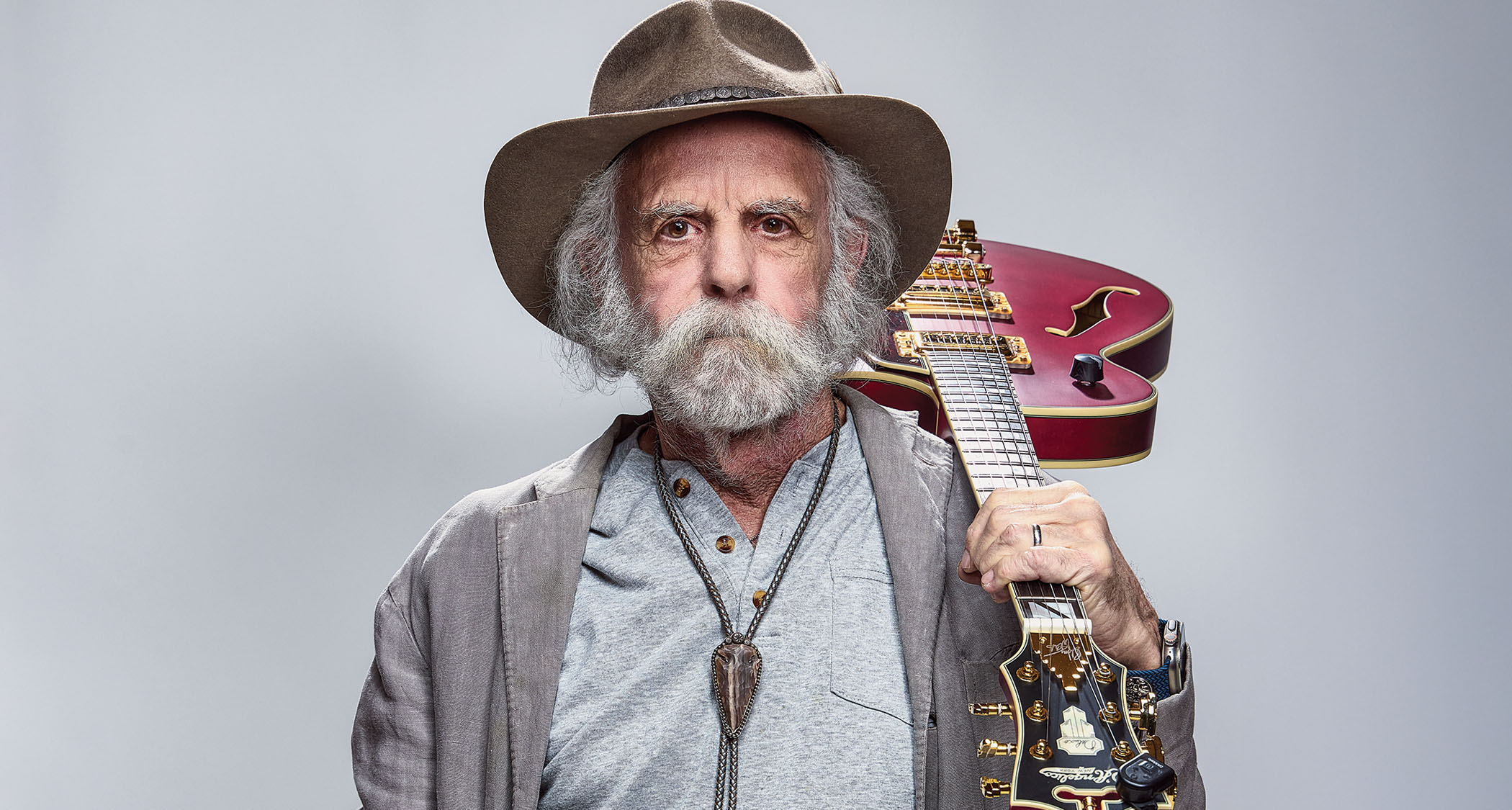
The announcement of Bob Weir’s death on January 10 sent shock waves of sadness and grief through the Grateful Dead community. Coming just over a year after the passing of bassist Phil Lesh, it seemed to signal a real, definitive end to a 60-plus-year era.
Lesh and Weir carried the torch high and mighty, together and separately, since Jerry Garcia’s 1995 death, giving the Grateful Dead a robust after-life that was hard to imagine when Garcia “left this mortal coil,” to use Weir’s preferred term.
Weir’s final performances were with Dead & Company last July before massive crowds at San Francisco’s Golden Gate Park, celebrating the Grateful Dead’s 60th anniversary.
Article continues below
Weir’s contributions in the 30 years after Garcia’s death created a new generation of collaborators who have never stopped singing his praises and cemented his central role in the band.
While Weir’s playing was often misunderstood and under-appreciated while the Grateful Dead was active, the simple fact that Garcia chose Weir as his three-decade wing man speaks for itself. Weir dedicated his musical life to forging a distinct style of rhythm playing that was essential to the Dead’s sound.
Rather than playing repetitive chords, his approach was based around counterpoint, riffs, inversions and partial chords, filling the musical gaps between the band’s drummers and Lesh’s similarly unconventional bass playing.
Dead & Company – Sugar Magnolia 4K (Boulder, CO 7/14/18) – YouTube

“He’s an extraordinarily original player in a world full of people who sound like each other,” Garcia said of Weir in a 1982 interview. “I don’t know anyone else who plays guitar the way he does… That in itself is really a score, considering how derivative almost all electric guitar playing is.”
Weir explained the development of his unique style simply; instead of trying to duplicate other guitarists, he tried to mimic jazz pianists, specifically McCoy Tyner of the John Coltrane Quartet.
“I just loved what he did underneath Coltrane’s work, so I sat with that stuff for a long time and tried to absorb it starting when I was 17,” Weir said.
“I got further toward it. I’ve never had much of an idea of what I’m up to, but I have always been there to serve the music and believed that if you do that, your role will present itself to you. Then it’s just a matter of finding the perfect place to play that perfect role, and I’m very fortunate this happened to me at a very young age.”
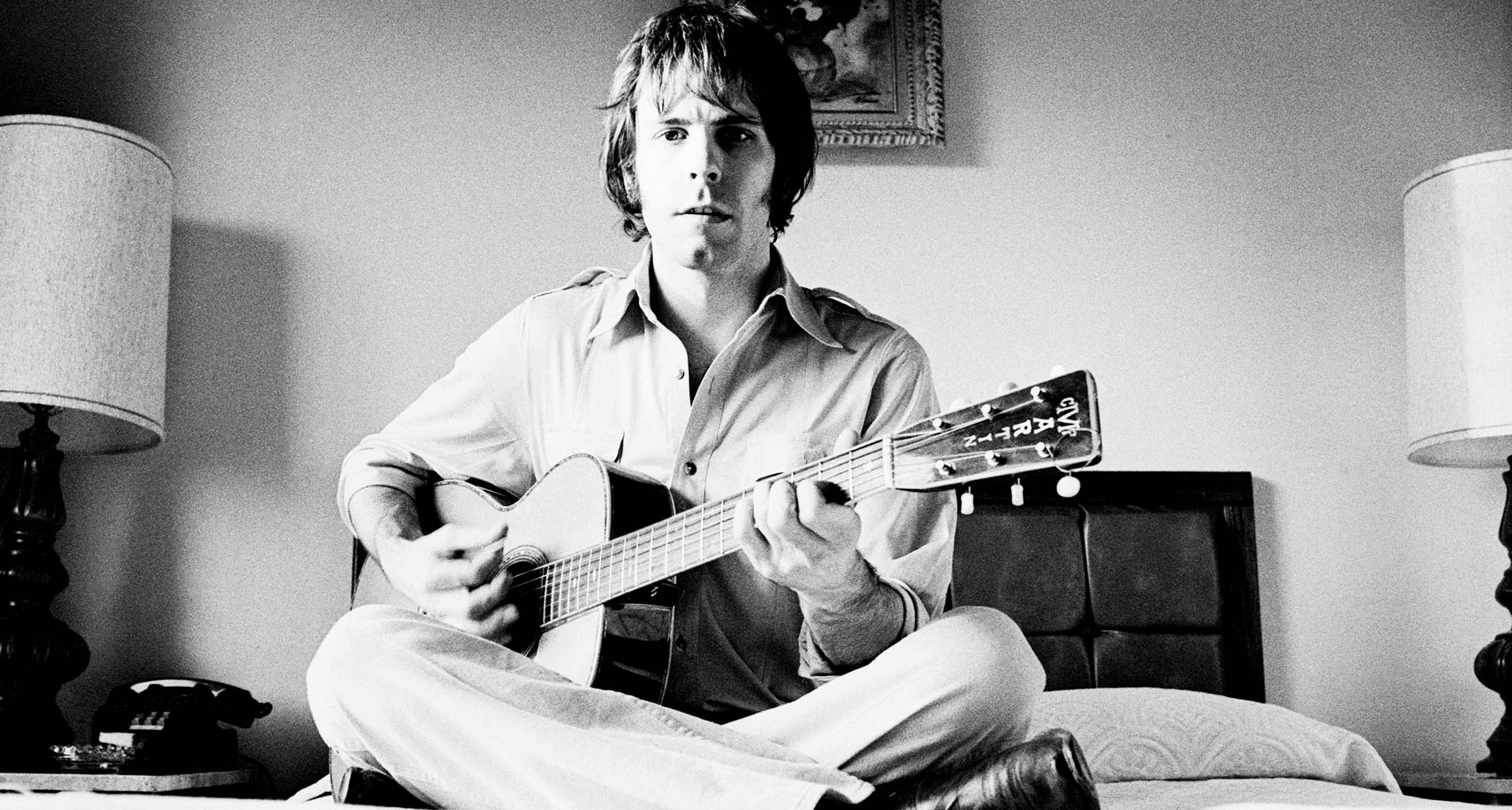
Weir described his dedication to complementary guitar playing as “putting my shoulder to the wheel,” but bassist Don Was, who played with Weir in Bobby and the Wolf Brothers from 2018 to 2025, says the style is so unique that he hesitates to even call it “rhythm guitar.”
“There is not another guitarist in the world who plays like him,” Was says. “He never played the same thing remotely the same way twice in a row and will alternate between being as raw as John Lee Hooker to as sophisticated as Andrés Segovia from one phrase to another. I’ve worked with a lot of folks, and there’s no-one like Bob Weir. He’s a brilliant artist.”
The unusual choices the guitarist made pushed soloists toward making more interesting choices – and the ensemble toward full band improvisation, traits that astounded and delighted all the younger players who performed with him since ’95.
“Bob’s very unique chord shapes and rhythmic patterns pushed you to play differently and outside of yourself,” says Warren Haynes, who played frequently with Weir, including two stints in the Dead.
“He very naturally led you into a lot of bobbing and weaving, counterpoint, call and response. And he had this wonderful sense of not needing to compare this moment to any other moment. He approached every song, every performance, with a fresh outlook. It’s an intangible thing, but it was so crucial to everything he did.”
Dead & Company – Brown Eyed Women (Shoreline Amphitheater 7/30/16) – YouTube
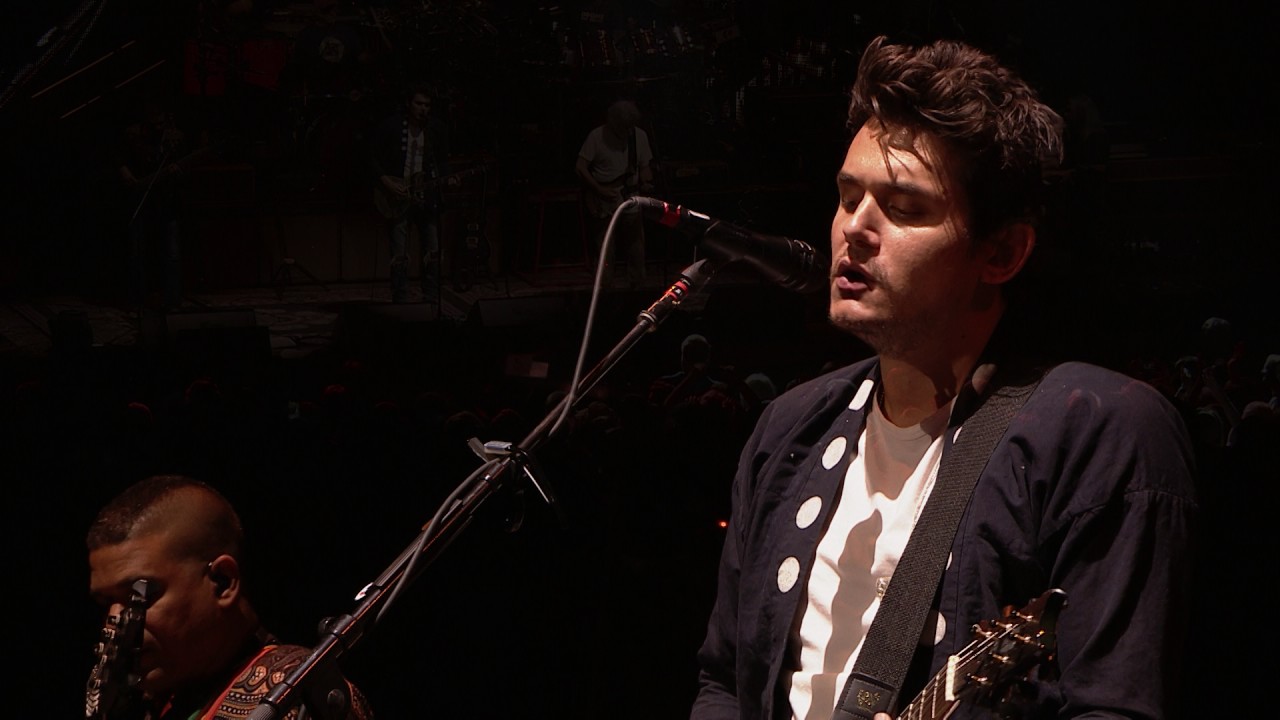
Weir’s singular approach extended to his songwriting. Many of his compositions, notably The Other One, employed time signatures that are unusual in Western music, but common in Indian music, from which he took a lot of inspiration.
He chalked that up to the “explosion of Northern Indian classical music in American popular culture” after the Beatles studied with Maharishi Mahesh Yogi, the founder of Transcendental Meditation. As with all things, Weir approached this intently, immersing himself in the music of sitarist Ravi Shankar and sarod player Ali Akbar Khan.
He went beyond the Indian flourishes or riffs that many of his peers were employing, working in foreign time signatures that are common in Indian classical music.
“To even begin to appreciate their music, you have to be able to count in their time signatures,” Weir told me.
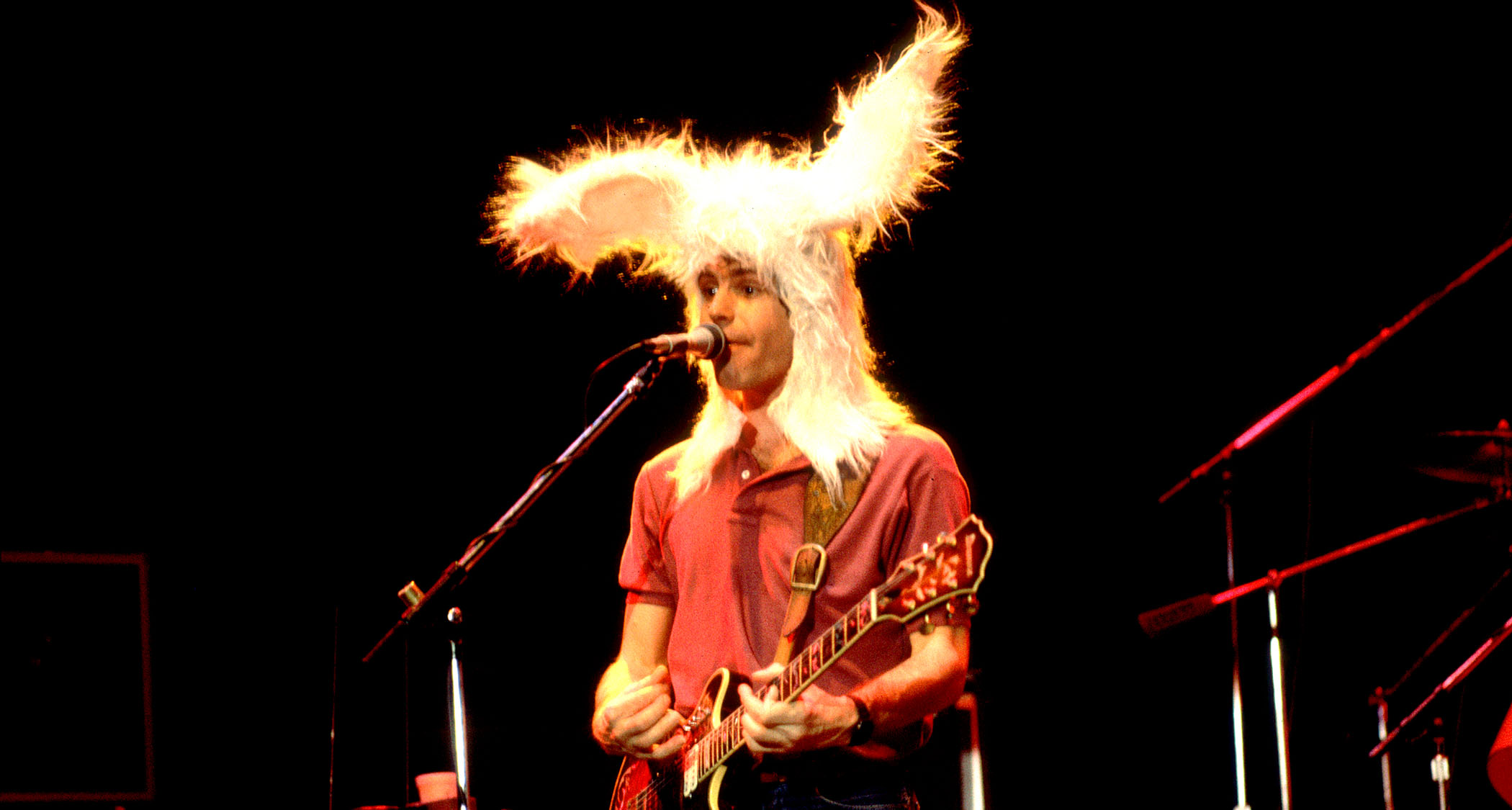
Weir was with the Dead since the very beginning. The first step of the Grateful Dead’s long, strange trip was taken in Palo Alto, California, on New Year’s Eve, 1963. A 16-year-old Weir and some friends were walking through an alley behind Dana Morgan’s Music Shop on their way to a coffeehouse when they heard banjo music coming out of the store. They stopped in to explore.
“We knew damn well it was Jerry, who was a local hero, playing banjo with the Black Mountain Boys, a really hot bluegrass band,” Weir said. “He was sitting there waiting for his students. I said, ‘This is New Year’s Eve, I don’t think you’ll be seeing anyone.’ He wasn’t quite ready to give up the ghost, so he said, ‘Do you guys play? I have the key to the instrument room.’
“He got some guitars, and we ended up playing well into the evening and had enough fun to think about doing something together. The next week we had a jug band.”
Mother McCree’s Uptown Jug Champions, featuring a mix of traditional and homemade instruments, quickly garnered a strong local following. Members came and went, including future Grateful Dead lyricist Robert Hunter.
Grateful Dead – Truckin’ (Tivoli Concert Hall 4/17/72) | Meet Up At The Movies 2022 – YouTube
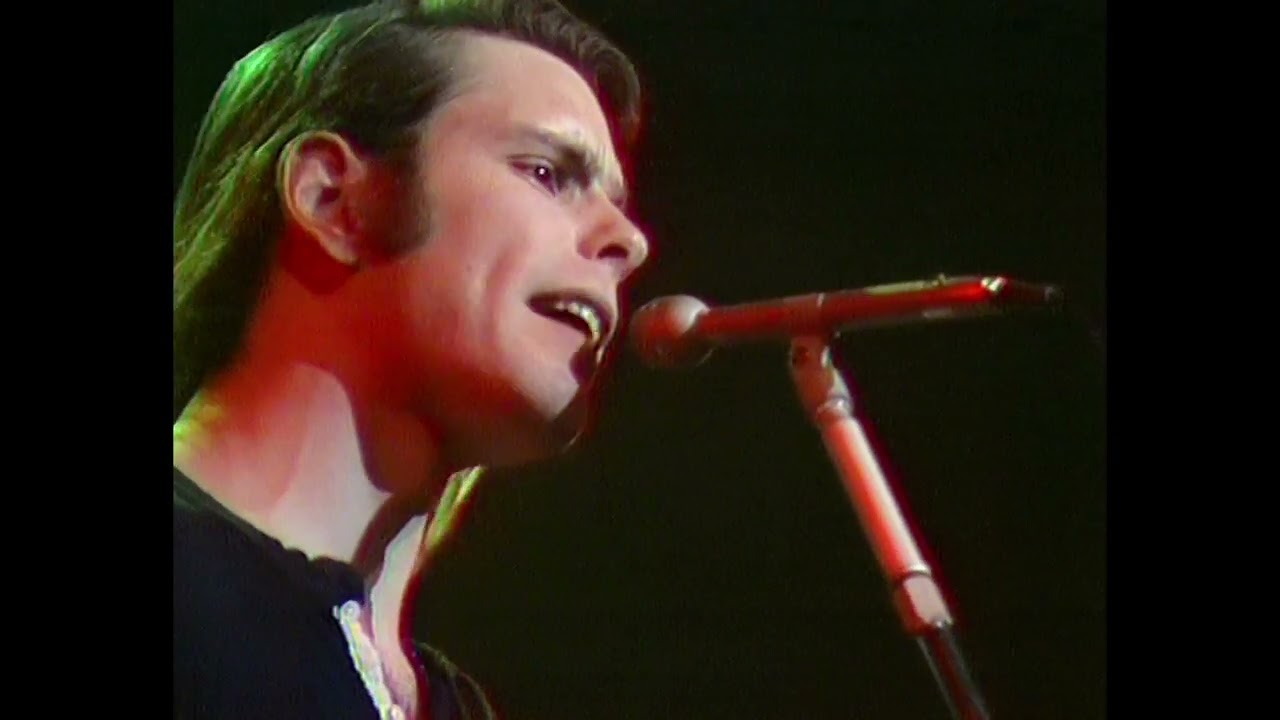
Garcia and Weir were constants and were soon joined by Ron “Pigpen” McKernan, a singer/harmonica player who possessed an outgoing stage presence with a love for the blues. A young drummer named Bill Kreutzmann sat front and center at one Palo Alto show, mesmerized by what he was watching.
“Jerry was so charismatic, just bigger than life, and the first time I saw him play, I thought, ‘I’ll follow this guy forever,’” Kreutzmann says. “You could say I was the first Deadhead.”
About three weeks later, Garcia called Kreutzmann and asked if he wanted to join a band. Pigpen was pushing to go electric, and Jerry was growing frustrated with the limitations inherent in the jug band and decided it was time to move in a new direction. The new group was now called the Warlocks.
Bass was handled by the son of music store owner Dana Morgan, which provided the band with free instruments and rehearsal space. Their first gig was at Magoo’s Pizza in Menlo Park in May 1965, and they were a standard dance rock band of the day, playing blues patterned after the Rolling Stones’ versions as well as adapting some of the old-time tunes from their jug band.
After one show, Garcia enlisted Phil Lesh, a casual friend, to become their new bassist, even though he had never touched a bass. On the surface it made very little sense, but the ever-perceptive guitarist saw Lesh’s potential. A classically trained trumpeter and composer, Lesh was a brilliant musician with a wide-open mind.
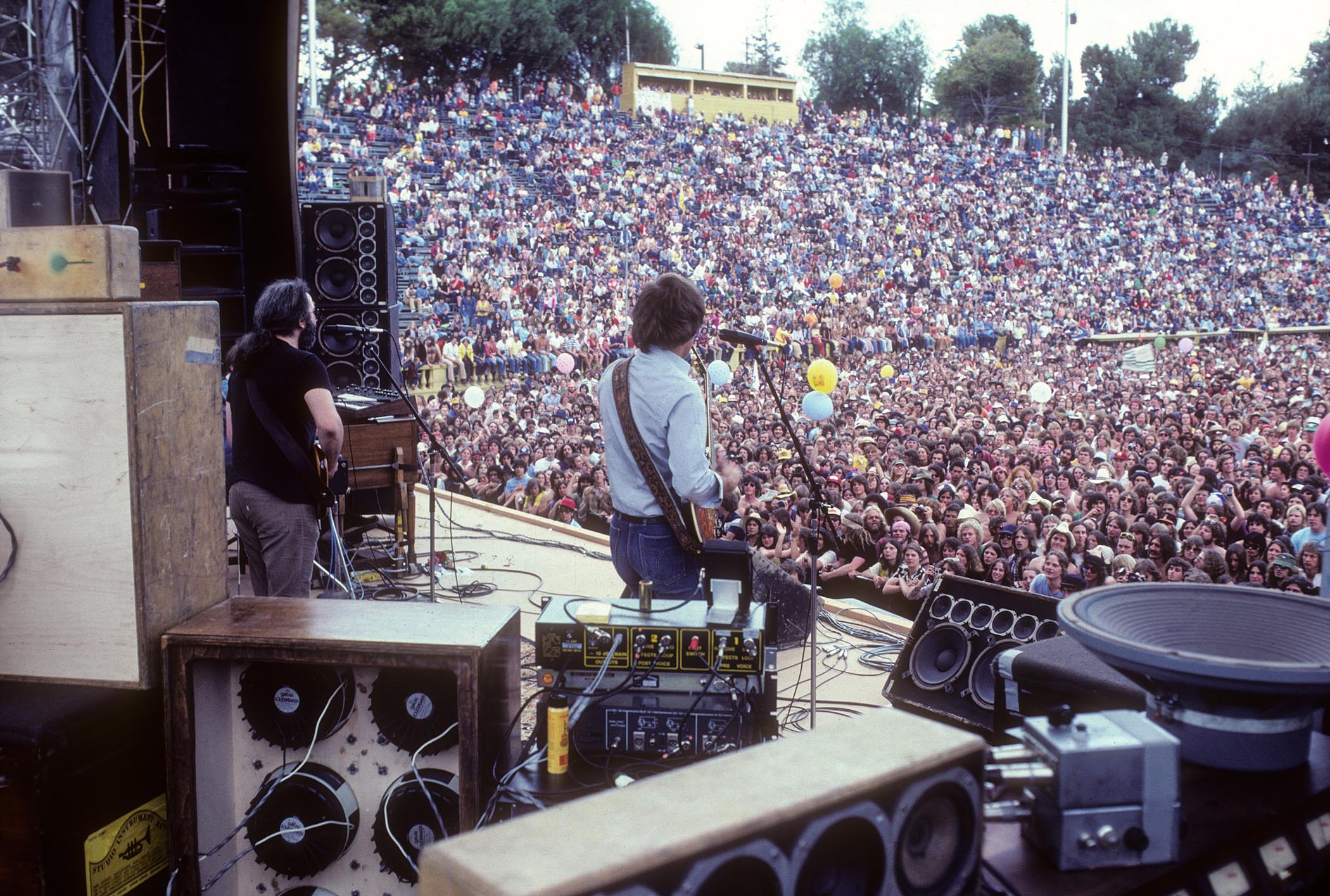
He embraced the avant garde and had a newfound interest in rock ’n’ roll, thanks to Bob Dylan and the Beatles. Given his freewheelin’ background, it was no surprise he quickly discarded any preconceived notion of the bass’s role.
“I’ve always wanted to avoid exact repetition, and that put me against the grain of rock bass, which at the time was tied to the root of the chord or followed the bass drum,” Lesh said.
He played his first gig about two weeks later, and – while he had learned the rudiments – he was still an inexperienced player who would learn on the job. However, with his extensive musical background and curious intellect, it didn’t take long for him to carve out a unique style and become an integral part of the band’s developing sound.
“It’s okay to repeat an idea once, but then I like to do something different, like displacing the rhythm by half a beat or not playing a root in a melodic section,” Lesh said. “The basis of my style revolves out of the more melodic function of the bassline in classical music.”
Grateful Dead – Just Like Tom Thumb’s Blues / When I Paint My Masterpiece (Hebron, OH 6/11/93) – YouTube
Lesh’s non-traditional style also demanded that Weir find a new approach to rhythm guitar, and he was immediately searching to do so, even as he, too, was learning his way around the instrument.
The group honed their sound in small clubs, becoming more involved in San Francisco’s emerging psychedelic music scene. Then they hooked up with author Ken Kesey and his Merry Pranksters, who had been throwing events where the participants dropped acid.
The newly named Grateful Dead became the house band for these “acid tests,” which were soon fueled by the work of chemist Owsley “Bear” Stanley, who would become the band’s soundman and patron, essentially supporting the group with the proceeds of his LSD sales.
“There were no rules at the acid tests,” Kreutzmann says. “It was a place where you could take acid – or not – and play music – or not. No-one was judging if you looked right or were playing a song right. You could be a total free spirit, and that encouraged us to experiment and to just play.”
Grateful Dead – Weather Report Suite (Winterland 10/18/74) (Official Live Video) – YouTube
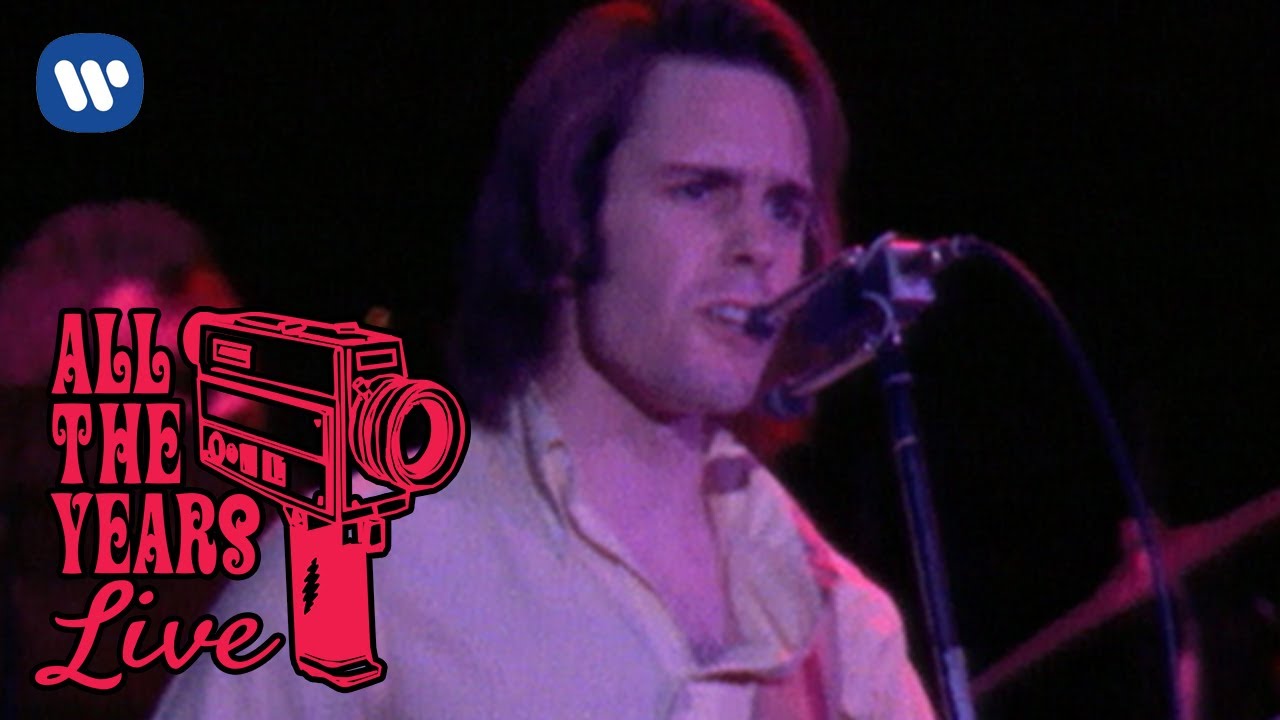
The group signed with Warner Bros. in early 1967 and released two albums that mostly just pushed them into debt. The year 1969 was epic in all respects for the Dead, however.
They released two primo psychedelic recordings, the labored studio effort Aoxomoxoa and the free-flowing Live/Dead. They played a poor set at Woodstock – bad enough that they refused to appear in the album or movie, eliminating their presence from popular memory.
They also played a central role in planning a free concert at California’s Altamont Raceway that was to feature them, Santana, Crosby, Stills Nash & Young, the Jefferson Airplane and the Rolling Stones. About 300,000 fans arrived to find insufficient facilities and growing bedlam.
The Dead never actually performed, taking off in helicopters when they saw the chaos descending. An audience member was stabbed to death by a member of the Hell’s Angels during the Stones’ set.
In the wake of such a tumultuous year, the Dead looked to scale back, turn inward and make more intimate music. With the band ready for a change of direction as a new decade dawned, Garcia proposed making a quick and easy album, a work he suggested approaching “like a country record” with “simple songs that aren’t going to take us forever to learn?”
Dead & Company – Brown Eyed Women (Shoreline Amphitheater 7/30/16) – YouTube
Their back-to-their-roots approach was in sync with the wider world of popular music. Country and roots music was impacting rock from Woodstock, where the Band’s music was infused with rustic Americana, to Los Angeles, where the Byrds and the Flying Burrito Brothers were making waves, even influencing the Rolling Stones. Bob Dylan had recorded Nashville Skyline. The Allman Brothers Band’s first two albums were out. Delaney and Bonnie Bramlett and their gospel-infused good-time blues were drawing George Harrison and Eric Clapton on the road as band members.
“We were certainly well aware of those people, and we were influenced by anything that came our way,” Weir said. “Anything that came within pissing distance of us would be sucked up and incorporated into our music. We osmosed it right up through our systems, and it came out of our pores and into those songs.”
The Dead had already been trending rootsier over the ensuing year. Garcia had picked up pedal steel guitar, which he was playing in the New Riders of the Purple Sage and the acoustic-based music impacted Garcia’s overall outlook and his songwriting with Hunter. The lyricist’s work had also taken a new direction, with mythic Americana imagery becoming more commonplace.
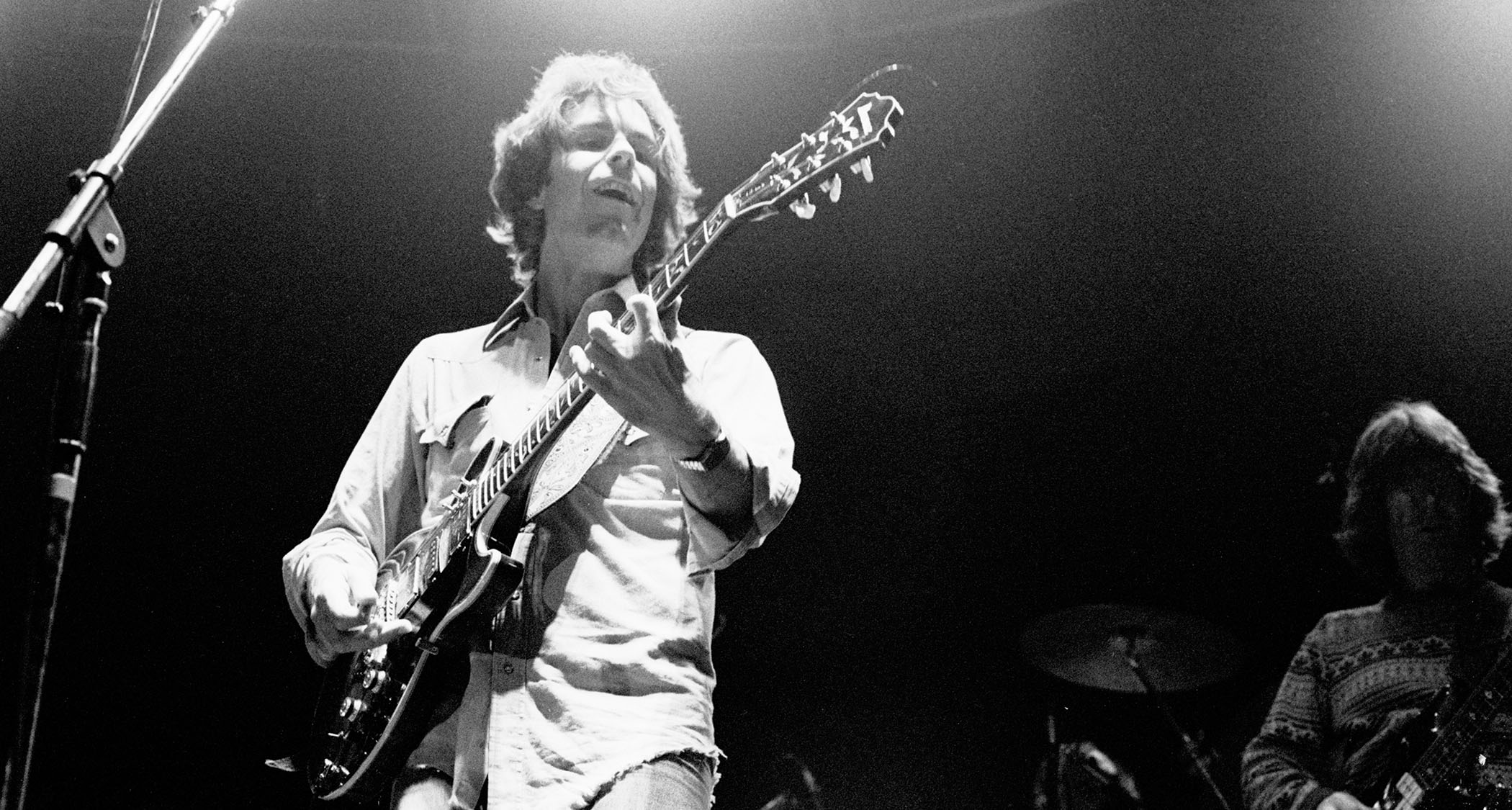
By the end of the year, the Dead introduced country songs like Merle Haggard’s Mama Tried – sung by Weir – and debuted new material like Dire Wolf, Casey Jones, Cumberland Blues and Uncle John’s Band.
We sort of forgot our roots during our psychedelic era, but as soon as we stopped taking psychedelics with absurd regularity and put our feet back on the ground
Bob Weir
They had also become friendly with Crosby, Stills & Nash, who were frequent guests at Mickey Hart’s Marin County ranch. Garcia played the beautiful pedal steel guitar on Teach Your Children. CSN’s gorgeous vocal harmonies had a profound impact on the Dead, who received instructions on stacking vocals from the masters.
True to Garcia’s vision of a quick and easy album, they finished work on their fifth album in less than a month, and it represented a stark change in direction. From the opening strummed acoustic guitar and well-executed three-part vocal harmonies of Uncle John’s Band to the last notes of Casey Jones, Workingman’s Dead was a mature collection of hummable songs that pulled listeners into an intimate communion.
The songs harkened back to the band’s roots in traditional music, even as lyricist Robert Hunter painted modernist lyrical pictures of a mythical American West, evoking a past that never existed.
The next year, Garcia told Guitar Player that these different methods of recording were all part of the learning process. “We’d been experimenting with how to make a record,” he said. Elaborating, Garcia referred to the studio experimentation of Anthem of the Sun and Aoxomoxoa as “going in and making a record with nothing at all.”
For Workingman’s Dead, they took a very different approach, rehearsing the material rigorously for a month before they got near a studio. “It works really good,” Garcia said. “Everybody stays alert, and happy, and bright-eyed, and nobody gets bogged down.”
The band took the Workingman’s Dead concepts even further when they returned to the studio in September 1970, to record what became American Beauty. The album is almost fully acoustic, with the only electric guitar solo played by the New Riders’ David Nelson on Box of Rain.
Grateful Dead – Box Of Rain (Philadelphia, PA 7/7/89) – YouTube
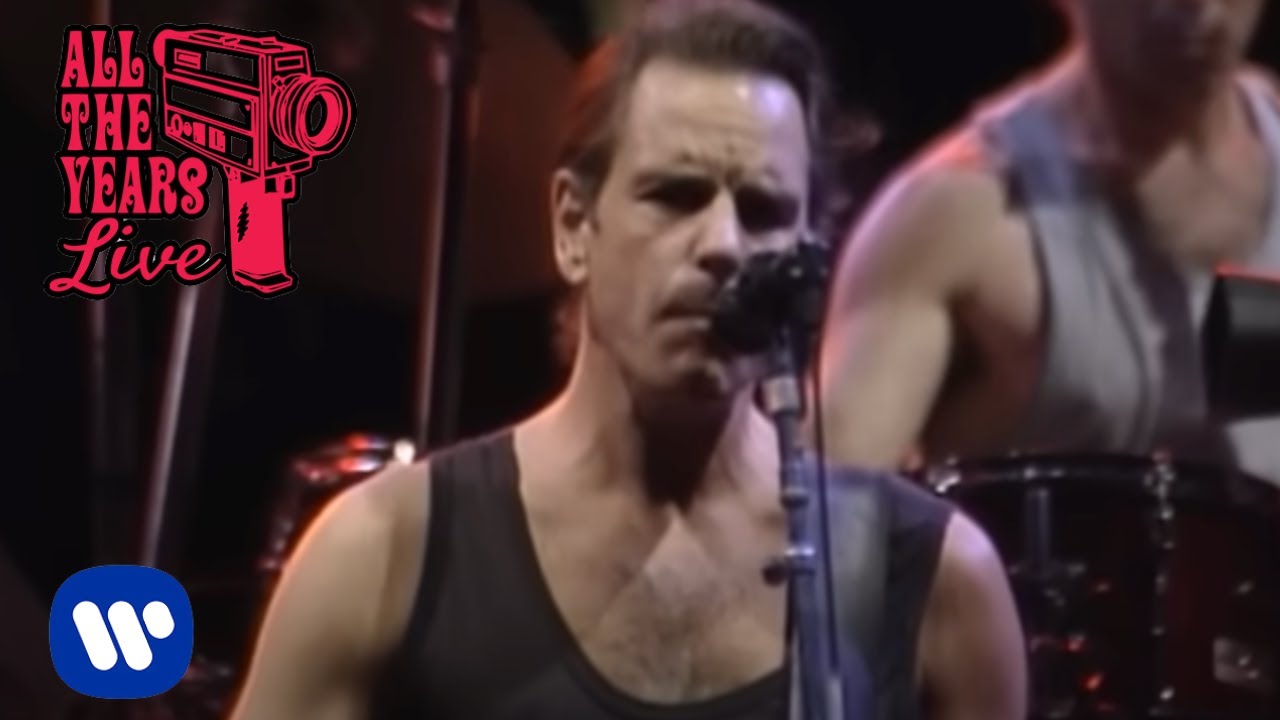
Garcia plays his beloved pedal steel on Candyman and Sugar Magnolia, and most of the other songs don’t have instrumental breaks. The focus was purely on the songs and the singing – and what a collection of tunes they had.
As the recording sessions began, Weir had recently lost both his parents, Lesh and Garcia’s mothers were terminally ill and Pigpen’s health was faltering. The sense of mortality lent the proceedings not darkness so much as depth. Songs like Ripple and Lesh’s Box of Rain grappled with life and death, with philosophical profundity that has had them sung and read at countless weddings and funerals for decades.
The album also contained a trio of the band’s most upbeat, commercial tunes – Truckin’, Friend of the Devil and Sugar Magnolia. Weir wrote the latter, inspired by extensive jamming with Delaney and Bonnie Bramlett and their band members, including bassist Kenny Gradney, who went on to be a member of Little Feat, on the Trans Canada Festival Express. That moving festival involved a train packed with musicians, also including Janis Joplin, the Band and Buddy Guy, rolling across Canada.
Grateful Dead – Feel Like a Stranger (Live at Madison Square Garden, New York, NY, 9/24/1988) – YouTube
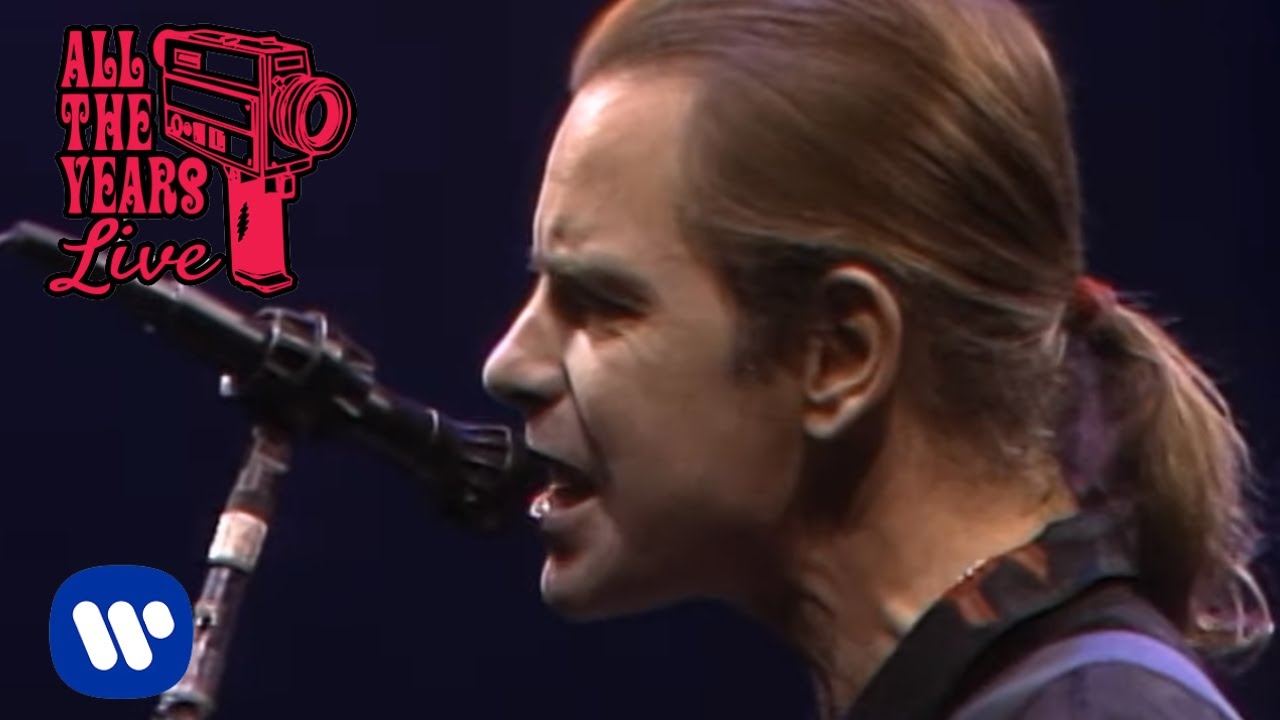
Weir explained that Sugar Magnolia was his “take on Southern rock.”
“I loved the way Delaney played rhythm guitar, doing things like sliding into A chords, which I picked up on, and you can also hear Monkey See, Monkey Do,” he said. “At the same time, there was an outbreak of Cajun fiddle music with guys like Doug Kershaw. What I tried to do was a straight overlay of the two.
“The chorus uses a simple trick all the Cajun fiddle songs do, where you go to the IV chord, then walk to its IV chord and back. We were trying to do a rock and roll version of a Cajun fiddle tune – and I must say that it worked! The song fit right in with what Jerry and Hunter were doing.”
The final album of the band’s more stripped-down trilogy was the untitled live album released in 1971 and commonly called Skull and Roses – after the distinctive cover imagery – or Skullfuck, the title Warner Bros. rejected. With Hart temporarily out of the band and no keyboardist other than a fading Pigpen, the album mostly presents the group as a lean five-piece.
“We sort of forgot our roots during our psychedelic era, but as soon as we stopped taking psychedelics with absurd regularity and put our feet back on the ground, our love of American music took back over and those albums resulted,” Weir said.
Grateful Dead – Sugar Magnolia / Scarlet Begonias / Fire On The Mountain (Winterland 12/31/78) – YouTube
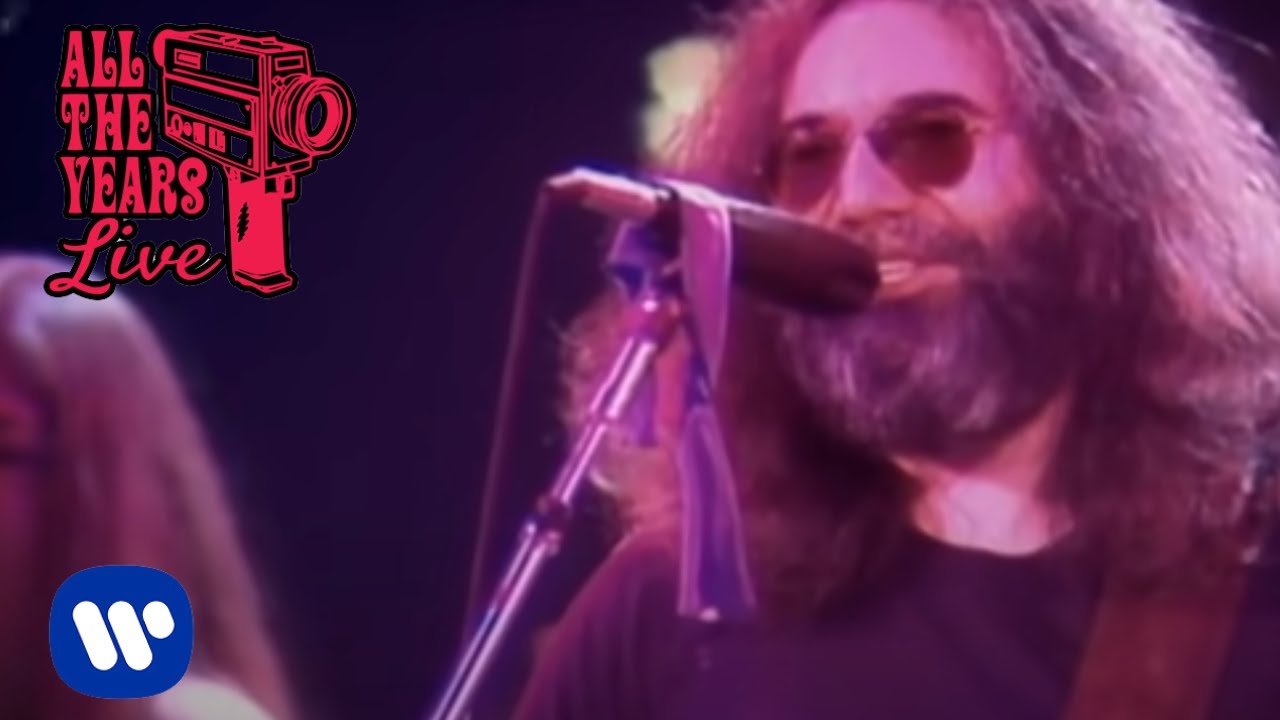
Pigpen, in failing health, performed his final show with the band on June 17, 1972, and died the following March. He had already been supplemented by pianist Keith Godchaux, who now became the sole keyboardist. The change helped push the Dead in a more polished, musically adventurous direction, tinged at times with prog-rock influences.
That became evident with the 1973 release of Wake of the Flood, the first of a series of strong, more produced studio albums. That recording included Weather Report Suite, another greatly ambitious Weir-penned track (in collaboration with several others). More would follow on albums to come, including The Music Never Stopped (Blues for Allah, 1975) and Estimated Prophet (Terrapin Station, 1977).
All these complex and inarguably beautiful songs became Grateful Dead catalog cornerstones, as did a trio of his songs from 1980’s Go to Heaven – the simmering, funky Feel Like a Stranger and the conjoined Lost Sailor and Saint of Circumstance.
Grateful Dead – The Other One / I Need A Miracle (Live at Shoreline 10/1/1988) – YouTube
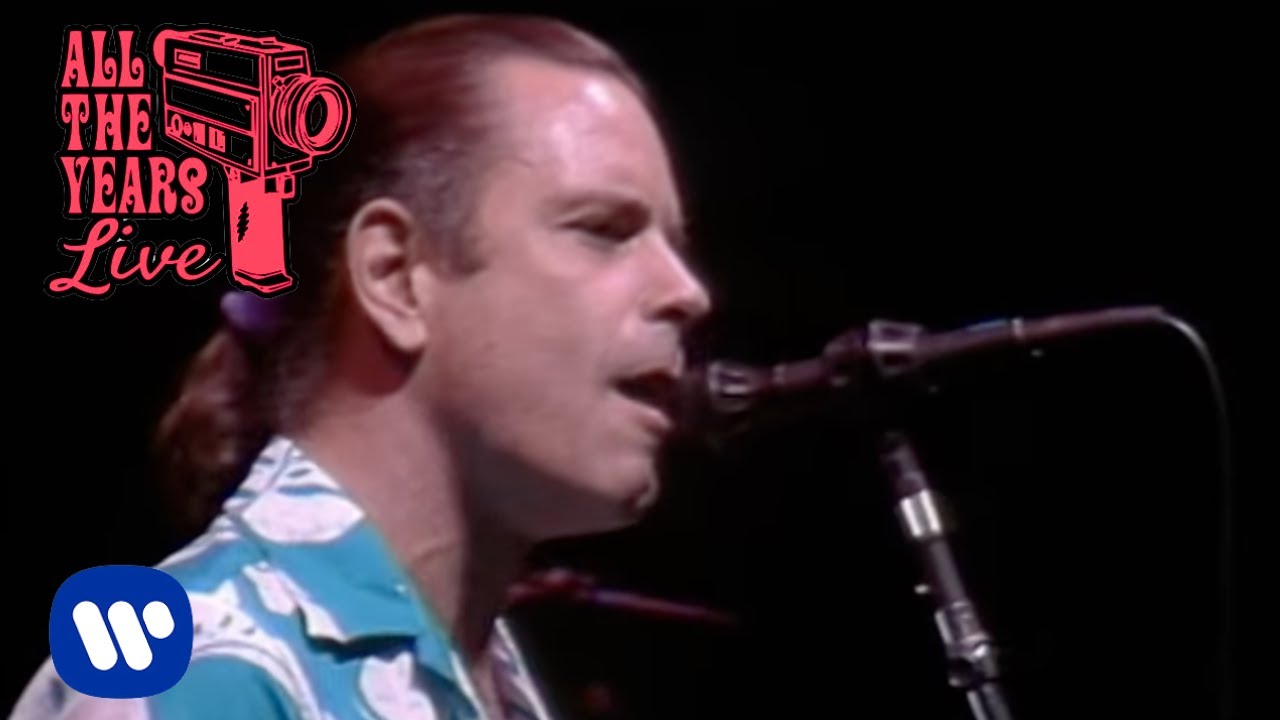
By 1986, the Grateful Dead had not recorded a studio album in six years, and there wasn’t much reason to expect one anytime soon. One 1984 attempt was aborted despite some strong new songs. Garcia had grown badly overweight and concern for his health proved prescient, when he fell into a diabetic coma on July 10, 1986.
He woke up after five days but had to learn to play guitar almost from scratch. No one knew if the Grateful Dead would ever play together again – which made the smashing success of 1987’s In the Dark and its hit single, Touch of Grey, even more improbable.
The band entered a new era of mass popularity, which brought its own problems, as Lesh described to me in 2000 in Guitar World.
“The effects were dramatic,” he said, “It brought in young people who didn’t really have a feel for the scene and the ethos surrounding it, which was considerable after two decades. We were thrilled with the interest in the band, but it just stood everything on its head.
Playing in front of larger crowds resulted in a loss of intimacy, and for me, the experience was all downhill from there
Bob Weir
“More people wanted to see us, so we had to play larger venues. Playing in front of larger crowds resulted in a loss of intimacy, and for me, the experience was all downhill from there. Of course, the decline might have happened anyhow, because after [so many] years we were struggling creatively. We were just out there hacking away at it, and the new success made it easier to keep going, because it gave us more resources.”
Still, the band soldiered on, with some excellent tours, before Garcia played his final show on July 9, 1995, at Chicago’s Soldier Field. He died August 9, and the future of his band and its beloved catalog became an unknown.
It took some time to come together, but the surviving members, joined by a variety of guitarists, including Warren Haynes, Jimmy Herring and Trey Anastasio, continued to perform in a variety of groups including the Dead, Furthur, the Other Ones and ultimately Dead & Company.
Grateful Dead – Jack Straw (Raleigh, NC 7/10/1990) – YouTube
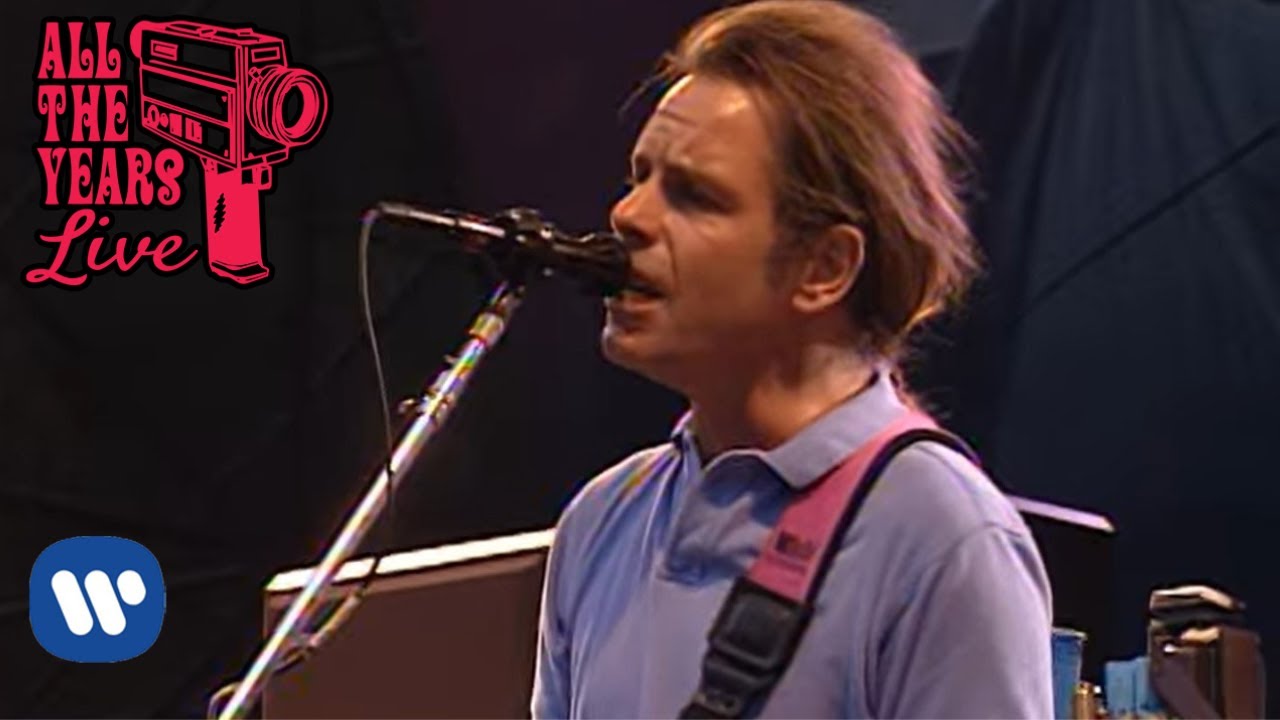
Weir never stopped performing, seemingly on stage somewhere every night in some configuration. In addition to the bands with his former Dead mates, he fronted Ratdog from 1995 to 2014 and the Wolf Brothers from 2018 to 2025.
Retiring is not an option
Bob Weir
He sat in with everyone from the Allman Brothers Band to Paul McCartney. He performed solo and duo acoustic gigs. Remarkably, given that he probably performed in front of more people than anyone ever, Weir said he never got over “horrendous stage fright,” insisting that “those last few steps onto stage are like walking into a torture chamber every time.”
He told me that he overcame it by leaving his ego behind and giving himself over to the characters in the songs. Great instrumentalists often speak of themselves as vessels for a higher power. Weir felt the same way about the characters he seemed to regard as dear old friends.
“The music gets me past myself as soon as it starts, because what I’m doing is not about me,” he said. “I give my body to those characters so that they can tell their stories. The more I give myself to them, the less I’m there to experience the stage fright, and it goes away.”
As for why he never slowed down and stopped to smell the roses, Weir was surprised at the question. Why slow down when he finally felt in control of his craft?
“After putting in a lifetime of work, stuff is opening up to me that I just can’t walk away from,” he said. “Opportunities are arriving that make life worth living, so I got to go for them. Retiring is not an option.”
- This article first appeared in Guitar World. Subscribe and save.
” data-join-the-conversation-text=”Join the Conversation”>
You must confirm your public display name before commenting
Please logout and then login again, you will then be prompted to enter your display name.
