

A messy start to 2026: Balancing January’s highs and February’s lows
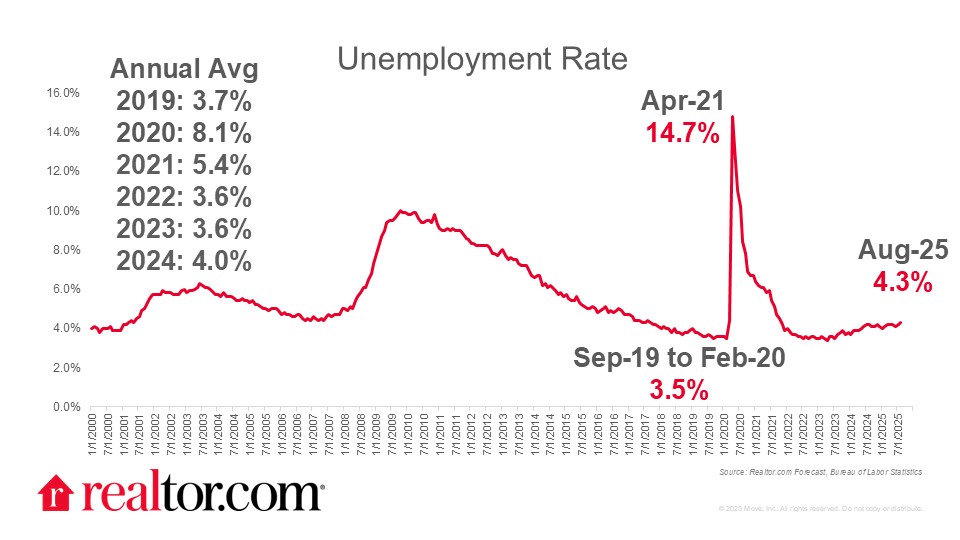
The February jobs numbers came in cooler than expected, according to Friday’s BLS employment report. Nonfarm payrolls edged down by 92,000 in February while the unemployment rate ticked up to 4.4%. Stack this against January’s revised gain of 126,000 and factor in a 65,000-job downward revision to December, and the picture for the start of 2026 looks more volatile than last month’s rosy reading suggested. Overall, the first two months of the year suggest we shouldn’t overreact to either January’s highs or February’s lows. It does appear the “low-hire, low-fire” job market is still with us, and the initial numbers are getting a bit messier.

But expect the Fed to stay on pause
For the Federal Reserve, this report slightly complicates the labor side of the equation, but is unlikely to change much in the near term. While hiring slowed and the unemployment rate missed the Chicago Fed’s 4.27% projection, average hourly earnings rose a firm 0.4% for the month (+3.8%). Policymakers were never likely to overreact to January’s positive report, and Friday’s data keeps the focus squarely on the inflation prints arriving next week, CPI on March 11, and PCE (the Fed’s preferred gauge) on March 13. Prediction markets are still putting the chances of a March rate cut at less than 5%. With new committee members like Beth Hammack prioritizing price stability, Friday’s “soft surprise” jobs report likely reinforces the Fed’s current pause as it waits for core PCE to move well below its stubborn ~3% level.

Housing outlook: Look past weekly rate volatility to the year-over-year win
On the housing side, we should be careful not to “scoreboard watch” weekly mortgage rate volatility too much. It was tempting to celebrate a 5-handle last week and equally tempting to lament this week’s 20-basis-point surge in 10-year yields as a sign that lower mortgage rates were short-lived. The relevant benchmark for the spring season is the year-over-year change, not a February to March comparison. At 6%, mortgage rates remain significantly lower than the 6.63% we saw this time last spring, representing a major boost in real purchasing power for buyers now entering the market. We are already seeing the impact via “green shoots” in February’s data: Pending sales hit their highest annual gain since 2024 and new for-sale listings are climbing. As long as the labor market continues to settle, the combination of stable employment and a 2.1% dip in median list prices means the conditions for a smooth takeoff in the housing market are forming nicely.
Subscribe to our mailing list to receive updates on the latest data and research.
