


The idea of traumatic origin stories is typical for superheroes, but there are some DC Comics supervillains whose trauma made them as sympathetic as they were evil. This wasn’t always the case. In the Golden Age of DC Comics, most supervillains were cut and dried, and they were thieves or killers. However, things began to change as comics matured, and in the 1990s, there were some origin stories that changed everything about villains and showed they could be as sympathetic as they were deadly. Having overly sympathetic villains suddenly made the stories deeper and better, and it made the lines between good and bad even more blurred.
Videos by ComicBook.com
Here is a look at seven of the best DC Comics villain origin stories, which made the bad guys a lot better than they used to be.
7) Reverse-Flash

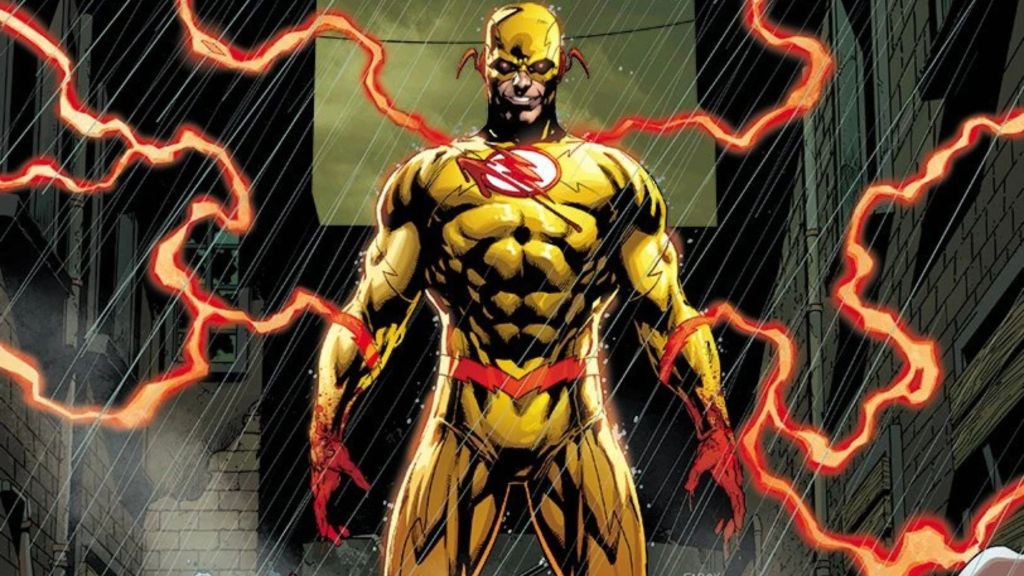
The Reverse-Flash origin story doesn’t make him sympathetic at all. However, it does make him one of the pettiest supervillains in the history of DC Comics. While there are several villains who have tragic backstories where they felt they had no other option than to turn evil, that is not the case with Reverse-Flash. Eobard Thawne debuted in The Flash #139 (1963) by John Broome and Carmine Infantino in the Silver Age. He is a villain from the 25th century who found a time capsule containing Barry Allen’s Flash costume and replicated the accident that gave Barry his powers.
That origin story was mostly simple, with him gaining speed and then coming back in time to make Barry’s life difficult. However, in the post-Crisis retcon, he ended up getting one of the best DC Comics villain origins. He was one of the Flash’s biggest fans until he discovered by accident that he was fated to become the Flash’s greatest enemy. Learning that his hero would become his enemy broke him, so Reverse-Flash traveled back in time to kill Barry’s mother, which is what eventually triggered the events that created the Flash. He ended up creating the hero he would at first idolize and eventually grow to despise.
6) Cheetah
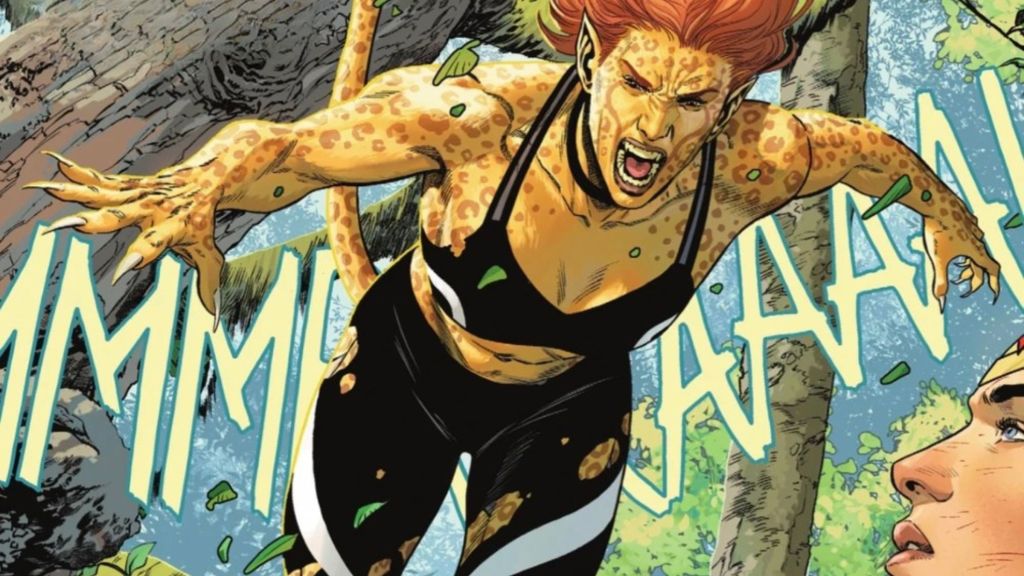
Cheetah is Barbara Minerva, one of Wonder Woman’s most dangerous villains. She debuted in Wonder Woman #7 (1987) by Len Wein and George Pérez, the first major new Wonder Woman villain of the post-Crisis era. Her origin had her as a British archaeologist and heiress who led an expedition into the African jungle searching for the plant god Urzkartagan. However, when her expedition was attacked, she was one of the only survivors and ended up murdering a member of her team as a blood sacrifice.
The curse then backfired. Since it required a virgin woman, and Minerva was not, she didn’t gain youth and power, and instead was turned into the feral, powerful Cheetah creature. It was a tragic moment, but it was deserved, as she did all this to gain power, and the gods punished her for it. The villain turn was also painful because Minerva and Diana were friends, and this betrayal was a shocking moment that turned the former friends into bitter enemies.
5) Dex-Starr
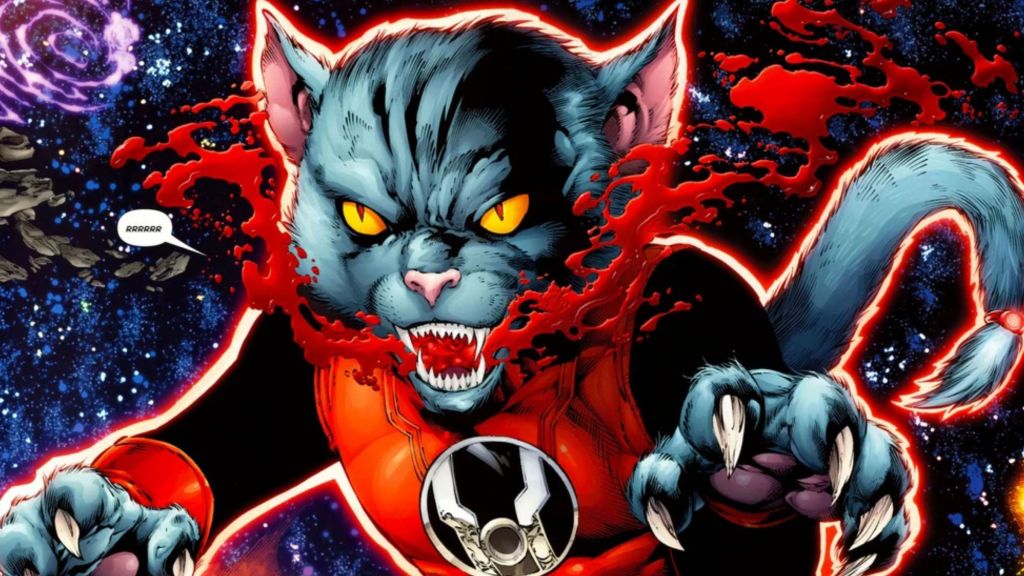
Dex-Starr is a member of the Red Lantern Corps, and before this, he was a stray cat named Dexter. He first appeared in Final Crisis: Rage of the Red Lanterns #1 (2008) by Geoff Johns and Shane Davis. As a stray cat, he was adopted by a lonely woman who loved him and cared for him tenderly. However, someone broke into her apartment one day and killed her in front of the cat, and he couldn’t do anything to stop it. Police locked him out of his home, and two strangers tried to drown him.
This DC Comics origin was as tragic as a story can get. That led to a Red Lantern ring finding and choosing him to become a new member of that specific Corps, which is fueled by rage. He is the only ring-bearer in any major DC Corps that is an actual animal, and his tragic origin story delivers an emotional punch unlike almost any other, as Dex-Starr was so consumed by grief that he sought out rage and vengeance against anyone in his path. No human villain can understand what it had to be like for a cat to watch his owner die.
4) Doomsday

Doomsday first appeared in Superman: The Man of Steel #18 (1992) by Dan Jurgens. His origin was as tragic as it gets because he was tortured relentlessly and killed over and over again to turn him into an unstoppable weapon of mass destruction. An alien scientist named Bertron conducted experiments on prehistoric Krypton approximately 250,000 years before recorded Kryptonian history. He repeatedly cloned an infant, released it into Krypton’s lethal prehistoric environment to be killed, collected the remains, and bred a more resistant version from them. This process was repeated for decades.
This first led to Doomsday being immune to Krypton’s environment, as it had died hundreds of times in conditions of extreme agony. This also drove it permanently, irrationally insane with pure hatred toward all life. It also meant that it could not die from the same thing twice after resurrecting. As a result, Doomsday was the first villain powerful enough to kill Superman. However, DC has since revealed a twist that makes his origin more interesting. He wasn’t created to be a mindless weapon. Doomsday was created to be an “Absolute Champion” to one day beat Darkseid.
3) Man-Bat

Man-Bat has one of the most tragic supervillain stories in DC Comics history. His real name is Dr. Kirk Langstrom, and he debuted in Detective Comics #400 (1970) by Frank Robbins and Neal Adams. He was a zoologist going progressively deaf who synthesized a bat-gland extract intended to give humans echolocation. He tested it on himself. The side effect was total transformation into a monstrous half-human, half-bat creature, stripping him of reasoning ability and leaving him operating on pure animal instinct. It is familiar to other sci-fi monster stories from movies, comics, and literature.
Unlike other villains, Langstrom had no intention of gaining power, harming anyone, or becoming a threat. He was trying to treat his own disability. His origin is a pure science tragedy, a man who tried to solve a personal health problem and was destroyed by the solution. Batman tried to save Man-Bat, but Kirk kept relapsing, making him one of DC’s rare recurring villains whose every return is sympathetic rather than menacing.
2) Bane

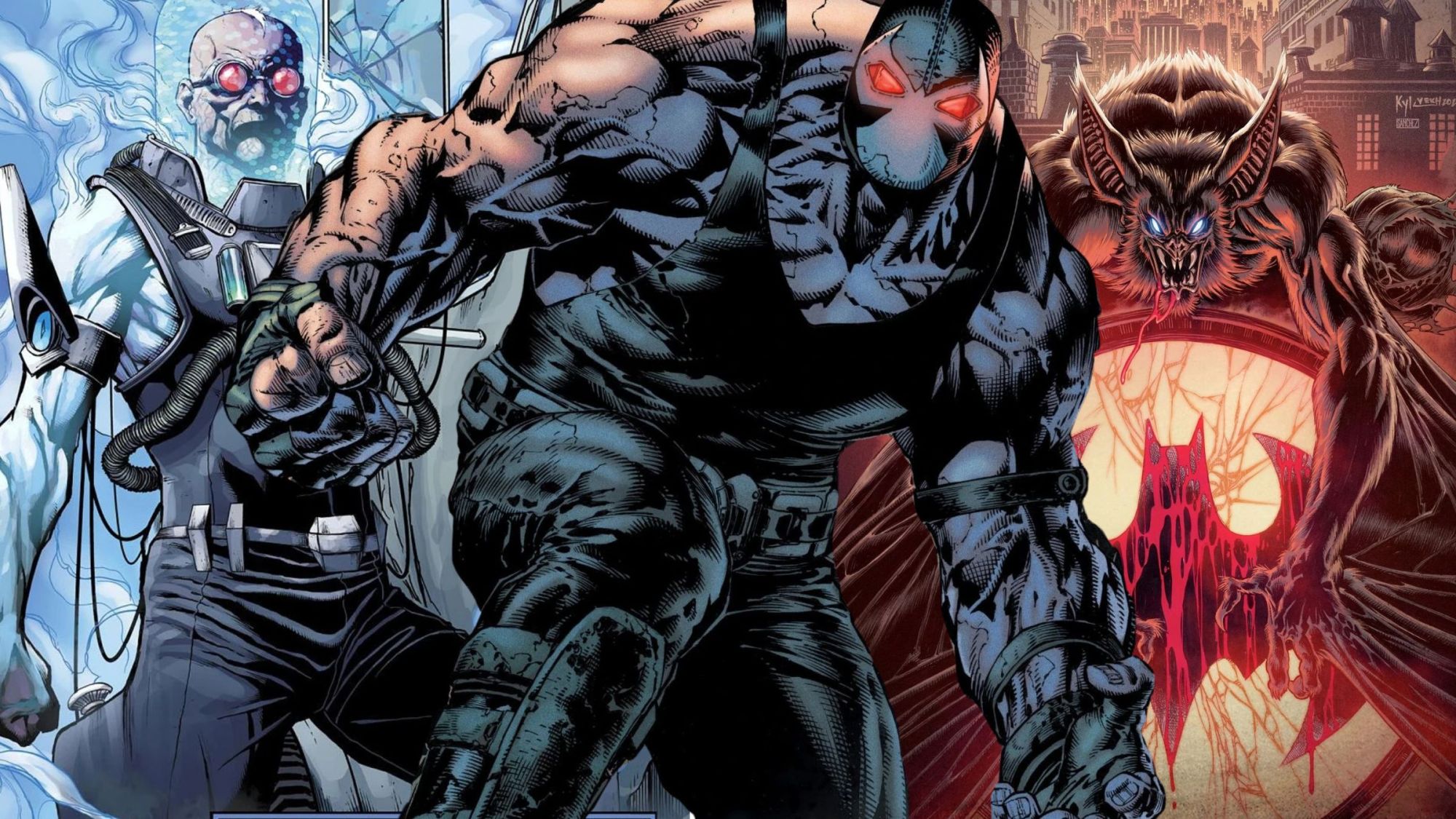
Bane has one of the most devastating origin stories in DC Comics because he was bred to be a monster since he was a child, and he had no say in the matter. Bane first appeared in Batman: Vengeance of Bane #1 (1993) by Chuck Dixon, Doug Moench, and Graham Nolan. He was born in the Peña Duro prison on the fictional Caribbean island of Santa Prisca. Bane served a life sentence from birth for his father’s revolutionary activities. He educated himself entirely within the prison’s library, mastering multiple languages, combat disciplines, and strategic theory as an autodidact with no formal instruction.
The prison administrators selected Bane as an involuntary test subject for Venom, an experimental super-steroid. The drug nearly killed him before stabilizing, multiplying his physical strength and endurance to superhuman levels. He then sought vengeance and set out into the world. By this time, he was smart and powerful enough to deduce Batman’s identity, and then he broke Batman’s back, taking him out for over a year.
1) Mister Freeze
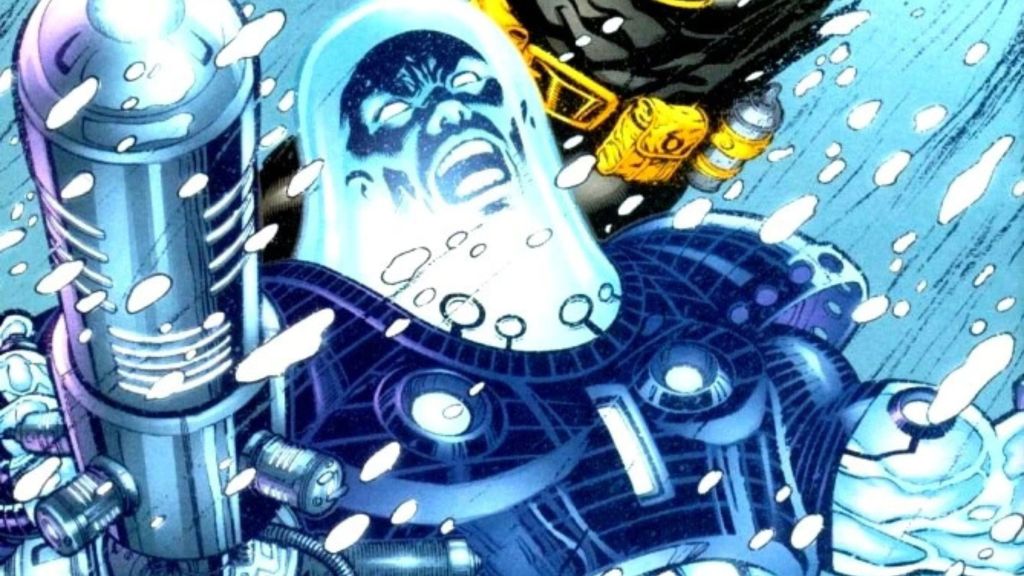
Mister Freeze is a rare villain whose origin story changed dramatically thanks to Batman: The Animated Series, and not from the comics themselves. Mister Freeze originally appeared as Mr. Zero in Batman #121 (1959) by Dave Wood and Sheldon Moldoff as an ice-based villain who was a gimmick villain who brought little to the table. Interestingly, it was the 1960s Batman TV series that changed his name to Mister Freeze, which DC Comics then replicated. Then, DC took inspiration from another TV series.
In 1992, Batman: The Animated Series took the one-note villain and gave him a new origin story. Victor Fries was a scientist whose wife, Nora, was dying of a terminal illness. He cryogenically froze her and was researching a cure when an accident permanently condemned Fries to a body that could only survive at sub-zero temperatures, and destroyed Nora’s chance at treatment. DC Comics then made that his official origin in 1997, and it is one of the saddest, most tragic supervillain origin stories in comics.