








Sometimes the loneliest feeling isn’t being alone — it’s forgetting that someone still cares. Kindness has a way of finding those moments, the ones where you’ve convinced yourself nobody’s watching, nobody remembers, nobody’s coming. Psychology calls it contagious — one act of compassion rewires not just the person who receives it, but everyone who witnesses it.
My husband left me alone during my complicated labor to attend his friend’s wedding. After birth, I called the groom. He said he never showed up. His phone was turned off.
Then at 3 a.m., a nurse rushed in, telling me, “You need to see this!” She was holding my phone. It had been buzzing nonstop while I slept. 27 missed calls — all from the same number.
She said, “Someone has been calling every two minutes for the last three hours. I finally answered. He’s downstairs.”
I thought it was my husband. It wasn’t. It was his father — my father-in-law. He said, “My son told me he was with you. When I called the hospital and they said you were alone, I drove four hours to get here.”
He was still in his work clothes, hands trembling, holding a small pink blanket he’d bought at a gas station on the way. He sat beside me all night. He held my daughter before his own son ever did.
He didn’t call his son. He didn’t yell or make a scene. He just whispered, “No woman should be alone for this. I’m so sorry.”
I never found out where my husband actually was that night. We divorced a year later.
But his father never disappeared. He shows up for every birthday, every school play, every Sunday morning. My daughter calls him Papa, and he is the reason I still believe that kindness lives in the most unexpected people. He chose to love us when his own son chose not to.




After my miscarriage, people said all the wrong things. “Everything happens for a reason.” “At least you’re young.” “You can try again.” Every sentence made it worse.
My neighbor — a woman I’d spoken to maybe five times — left a small potted plant on my porch. The card said: “You don’t have to be okay. And you don’t have to explain why you’re not. This plant doesn’t need much. Neither do you right now.”
No advice. No silver lining. Just permission to fall apart.
That plant is three years old now. I’ve kept it alive on days I wasn’t sure I could keep myself alive. She never asked about it. She just knew.
I’m a school janitor. Last Christmas I was cleaning the gym after the holiday concert. Everybody gone. Lights off. Just me and a mop.
I found an envelope taped to my supply closet. Inside — a card signed by every kid in third grade. Handprints, misspelled names, stickers everywhere. It said: “Thank you for making our school sparkly.”
Their teacher had organized it. She told me later the kids insisted. One boy said, “He’s here when we get here and he’s here when we leave. Someone should tell him we notice.”
I’m 58 years old. I cried in a supply closet over a card covered in glitter glue. Best Christmas I’ve had in a decade.
My dad never takes photos. Hates cameras.
At my wedding I noticed he disappeared during the reception. Found him in the hallway taking a selfie in his suit. I said, “What are you doing?” He said, “Your mother always said I looked handsome in a suit. I’m sending it to her.”
She’s been gone for four years. He still sends her photos.
My grandmother outlived all her friends. Every single one.
By 91 she was the last one standing and she hated it. She stopped getting dressed. Stopped eating much. Said, “What’s the point of a party when everyone’s left?”
My 7-year-old daughter started writing her letters. Real letters, in crayon, mailed with stickers on the envelope. Three a week. “Dear Great Grandma. Today I lost a tooth. It was gross. Love, Lily.”
My grandmother started getting dressed on mail days. Started checking the mailbox in the morning. Started calling my daughter to discuss the letters like they were important documents.
She died at 93. In her nightstand — every single letter, bundled in a rubber band. Crayon letters from a 7-year-old who decided her great-grandmother still deserved mail.

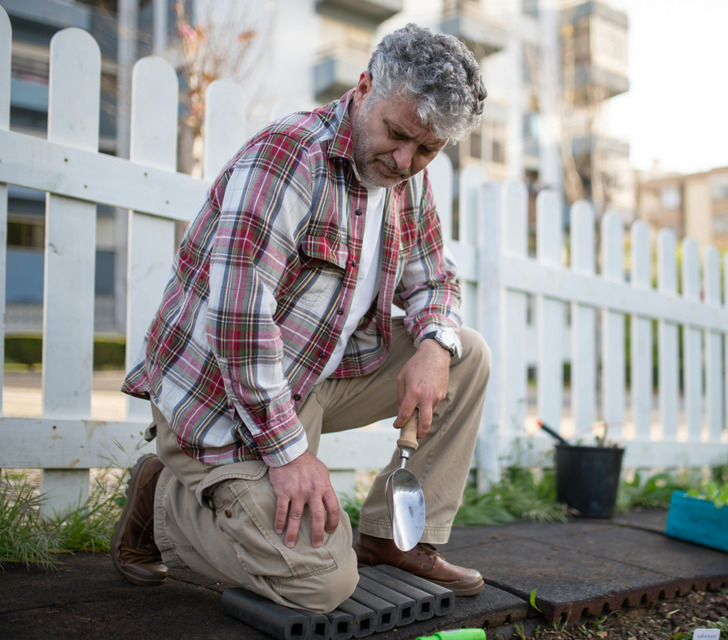
I lost my wedding ring while gardening. Fourteen years of marriage, gone in the dirt. I tore the yard apart for three days.
Told my wife on day four. Expected disappointment. She went to the garage, came back with a twist tie from a bread bag, bent it into a circle, and put it on my finger. “There. Now we’re married again.”
I wore that twist tie for two weeks until she surprised me with a new ring. I kept the twist tie. It’s in my wallet. The ring says forever. The twist tie says: “I don’t care about the ring. I care about you.”
My son is colorblind. His art teacher didn’t know. She kept correcting his paintings — “the sky isn’t green, the grass isn’t grey.” He stopped painting. I told her.
Next class she gave the whole room a challenge: “Paint the world the way YOU see it.” My son’s painting hung in the school lobby for a month. He told me, “She made my eyes right, Mom.”
My grandfather ate lunch at the same diner every day for 30 years after my grandmother died. Same booth, same order. The waitresses changed, the menu changed, the neighborhood changed. He didn’t.
When he got too sick to drive, he stopped going. Nobody noticed for two weeks. Then a waitress showed up at his house with his usual order. Turkey sandwich, black coffee, slice of pie. She said, “Booth four doesn’t feel right without you.”
She came every Thursday for five months. Until he passed. She came to the funeral in her uniform. She said she clocked out early. Her manager didn’t know. She didn’t care.


My son was born premature. Two pounds. I could hold him in one hand.
The NICU nurse — a woman named Rose — let me sleep in a chair beside his incubator every night for six weeks. It wasn’t allowed. She’d get in trouble if anyone noticed. But every night at 11pm she’d nod at the chair and say, “I didn’t see you.”
He’s 12 now. Healthy. Loud. Drives me crazy. Perfect.
Last year, I went back to the hospital with a photo of him — tall, grinning, holding a basketball — and asked for Rose. She’d retired. They gave me her address.
I mailed the photo with a note: “You didn’t see me. But I saw you. Every night. Thank you.” She wrote back one line: “That chair was always yours. I just made sure nobody moved it.”
I left home at 17 and told my mom I didn’t need her anymore. Cruel, stupid, teenage words.
For ten years she mailed me a birthday card to every address I moved to. I never responded. Not once.
On my 27th birthday I finally opened them. Inside every card was the same line: “Still here. Still yours.” I called her that night.
My dad moved into a nursing home last year. Sharp mind, failing body. He hated it. Called me every night and said, “Nobody here knows who I was.”
One evening he didn’t call. I panicked. Drove over. Found him in the common room playing chess with a new orderly — a 23-year-old kid who’d Googled my father’s name after reading it on his chart.
He’d found an old newspaper article about my dad winning a city chess championship in 1974. He printed it, framed it, hung it in my dad’s room, then challenged him to a game. My dad lost. First time he’d smiled in months.

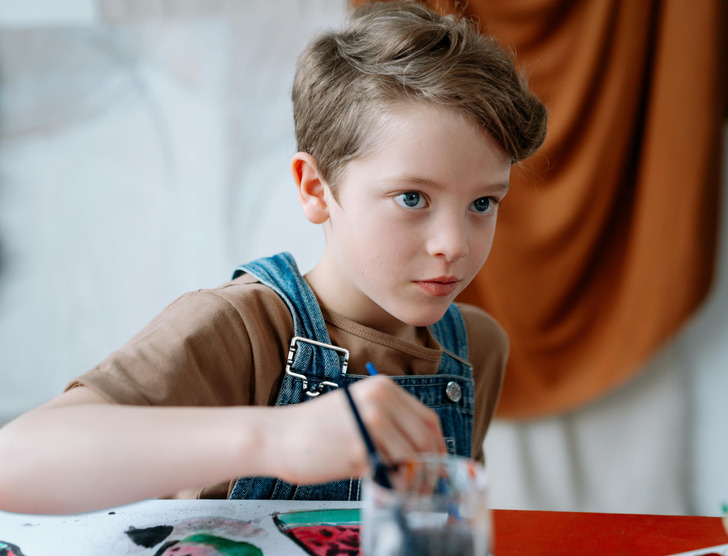
I adopted my son at age 4. He’d been in three homes before mine. For the first year he called me by my first name. Never “Dad.” I didn’t push it.
Every night I’d tuck him in and say, “Goodnight buddy. Love you.” Every night he’d say, “Goodnight.” Just goodnight. For 14 months.
Month fifteen. I said goodnight, turned off the light, and was almost at the door. Behind me, barely a whisper: “Love you too, Dad.”
I stood in the hallway and slid down the wall. Sat on the floor outside his room for an hour. Fourteen months of patience for four words. I’d have waited fourteen years.
These stories remind us that love doesn’t need to be perfect or loud. It just needs to reach the person who forgot it was still there.
What moment reminded you that someone’s heart was still holding yours?


